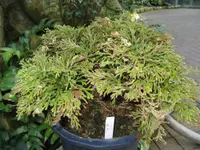
Smooth rock spleenwort Care (Asplenium fontanum)

Smooth rock spleenwort

About Smooth rock spleenwort

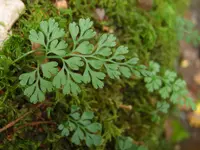
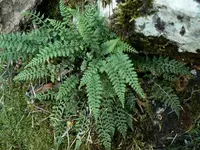
Smooth rock spleenwort, Asplenium fontanum, is a small evergreen fern that forms compact, tufted clumps of finely divided fronds. It has a delicate, feathery look but a surprisingly tough nature.

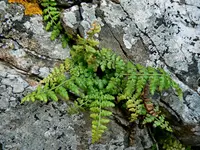
In the wild it grows on shaded limestone or other calcareous rocks, mainly in parts of Europe and some Mediterranean mountain regions. It naturally tucks into crevices, where roots stay cool and moist.

This fern prefers consistent moisture, excellent drainage, and protection from strong sun and heat. Its need for stable humidity and cool roots makes it moderately challenging to care for Smooth rock spleenwort indoors or in warm, dry climates.

Main Plant Requirements

Care Difficulty

Moderate Care

Light Preference

Partial Shade

Water Requirements

Keep Soil Moist

Temperature Preference

Cool Climate

Hardiness Zone

6–8

Soil Texture

Loamy, Rocky, Organic-rich

Soil pH

Acidic (5.5–6.5), Slightly acidic (6.5–7.0)

Soil Drainage

Moist but well-drained

Fertilization

Minimal (feed rarely)

Get Personalized Care Plan

Scan your plant to receive care tips personalized for your specific plant

Available on iOS and Android

How to Care for the Smooth rock spleenwort

This fern favors cool, shaded habitats with only gentle, indirect light reaching the fronds.

  • Provide bright, indirect light or dappled shade, such as 1–3 hours of early morning sun filtered through shrubs or rocks.
  • Avoid direct midday and afternoon sun, which can scorch fronds and dry out soil quickly, especially in exposed rock gardens.
  • In summer, shift Smooth rock spleenwort to deeper shade; in low winter light, ensure it is not heavily overshadowed by evergreen plants.

This fern prefers consistently moist but not waterlogged conditions around its shallow roots.

  • Water when the top 1–2 cm of soil or crevice mix feels just barely dry, aiming to keep the root zone evenly damp.
  • Use a sharply draining, humus-rich mix or gritty crevice soil so excess water runs off quickly and does not pool around the crown.
  • Reduce watering slightly in cooler months; watch for limp, crisping fronds as a sign of drought and blackened, mushy bases as a sign of overwatering.

This species is a cool- to mild-climate fern with moderate tolerance of both cold and heat when sheltered.

  • Aim for 50–70°F (10–21°C) as the main growing range, which supports steady frond development and root health.
  • The plant tolerates brief drops to around 20–25°F (-6 to -4°C) if well established and protected from cold, drying winds.
  • Above 80°F (27°C), provide extra shade and moisture; avoid hot, reflective rock surfaces that can overheat roots and scorch fronds.

This fern prefers steady, moderately moist air to support its fine fronds.

  • Aim for 50–70% humidity, mimicking the sheltered, rocky crevices where Smooth rock spleenwort naturally grows.
  • In prolonged dry air, frond tips brown and curl, and new growth may emerge smaller or distorted.
  • Increase humidity with a nearby pebble tray, grouping plants, or a humidifier rather than misting directly onto the fronds.

Asplenium fontanum grows best in a loose, rocky, humus-rich medium that drains quickly yet stays slightly moist.

  • Use a mix of 40% peat-free compost or leaf mold, 30% fine bark, and 30% grit or coarse sand to copy its natural crevice habitat.
  • Ensure very sharp drainage so water runs through within seconds, preventing stagnant conditions around the fine roots.
  • Aim for slightly acidic to neutral pH, roughly 6.0–7.0, which supports nutrient availability without causing lime-related stress.
  • Avoid dense, clay-heavy, or pure peat mixes that compact, limit aeration, and hold water around the rhizomes for too long.

This species is suitable for container growing when the pot setup mimics a cool, shallow rocky niche.

  • Choose a broad, shallow pot so the rhizomes can spread horizontally while the mix dries evenly between waterings.
  • Use a heavier ceramic or stone pot if outdoors to prevent wind from tipping over the relatively light but spreading fern.
  • Raise the container slightly on feet or pot risers so drainage holes stay clear and runoff water does not reabsorb into the mix.

This fern grows on rocky, nutrient-poor sites and needs only light, careful feeding in cultivation.

  • Use a weak balanced liquid fertilizer (e.g., 10-10-10) at 1/4 strength during active growth in spring–summer.
  • Feed every 4–6 weeks at most; many healthy clumps need no additional fertilizer if grown in fresh, humus-rich mix.
  • Avoid slow-release pellets touching roots, which can burn this fine-rooted Smooth rock spleenwort.
  • Stop feeding in fall–winter to prevent soft, weak fronds and salt buildup in the substrate.

Asplenium fontanum benefits from light, hygienic pruning rather than shaping cuts.

  • Best time for pruning is late winter or early spring before strong new growth starts.
  • Use clean, sharp scissors to cut dead, diseased, or torn fronds at the base of the crown.
  • Remove yellowing or crowded interior fronds to improve air flow and keep the clump compact.
  • Avoid cutting healthy green fronds heavily, as this reduces photosynthesis and can slow recovery.

This small fern prefers stable conditions and only occasional repotting or transplanting.

  • Check for roots circling the pot, poor drainage, or slowed growth as signs it needs more space.
  • Plan repotting or outdoor transplanting in early spring so Asplenium fontanum can re-establish during the growing season.
  • Repot every 2–3 years into a shallow, well-drained container or rocky crevice with humus-rich, slightly alkaline mix.
  • Handle roots gently, keep the crown at the same level, water lightly, and shade the plant for 1–2 weeks to limit stress.

Propagation is possible but moderate in difficulty, usually done by careful division of established clumps.

  • Divide mature plants in early spring when new croziers (emerging fronds) start to appear.
  • Lift the clump, then separate into small sections, each with healthy roots and several firm fronds.
  • Replant divisions into moist, free-draining mix, keeping crowns just above the substrate surface.
  • Maintain high humidity, bright indirect light, and evenly moist soil until new growth confirms establishment.

This fern is fairly cold hardy but benefits from some winter protection in harsher climates.

  • Tolerates light to moderate frost when planted in well-drained rock crevices or gritty soil.
  • Apply a thin mulch of leaf litter or fine bark around, but not over, the crown in late fall.
  • Move container plants to a sheltered, frost-free spot with cool temperatures and good airflow.
  • Water sparingly in winter, keeping the root zone just barely moist to prevent rot in cold, wet conditions.

Care Tips

Rocky mounting

Mount the fern into crevices of a rock-filled trough or between stacked stones using a gritty, well-drained mix so the roots stay cool and anchored much like in its natural cliff habitats.

Summer shading

In hotter climates, add a movable screen or place taller plants on the sunward side during midsummer to reduce heat stress on fronds without drastically darkening the overall light level.

Cool root zone

Top-dress around the crown with small gravel or inert grit rather than organic mulch to keep the root zone cool, prevent rot at the base, and mimic the mineral substrates it prefers.

Targeted cleaning

Use a soft brush or a gentle stream of water to remove lodged dust and debris from the fine fronds, which helps maintain efficient photosynthesis and reduces habitat for spider mites.

Winter protection

In cold regions, protect container-grown plants by moving them to a sheltered, frost-free but cool spot and slightly reducing watering, which supports stable growth when caring for Smooth rock spleenwort.

Common Pests and Diseases

Scale insects

These insects attach to fronds and stipes, sucking sap and causing yellowing, speckling, and overall decline, especially on sheltered rock-wall plantings or indoor specimens.

Solution

Physically remove scales with a cotton swab dipped in alcohol on small plants, then rinse fronds gently. Improve air circulation and use a ready-to-use horticultural soap or light horticultural oil labeled safe for ferns, applying carefully to avoid drenching the crown.

Aphids

These insects cluster on young fronds and rachises, extracting sap and causing distortion, curling, and sticky honeydew that can attract sooty mold.

Solution

Spray the plant with a gentle stream of water to dislodge aphids, then treat remaining colonies with insecticidal soap suitable for ferns, repeating weekly until populations drop. Avoid high-nitrogen fertilization, which encourages soft, aphid-attractive growth.

Fern rust

This disease produces orange to brown pustules on the undersides of fronds and can cause premature yellowing and leaf drop in humid, shaded sites where air movement is poor.

Solution

Remove and dispose of affected fronds, then thin surrounding vegetation or reposition pots to increase airflow and reduce leaf wetness. Avoid overhead watering, water at the base in the morning, and if the problem recurs in outdoor plantings, use a fern-safe fungicide according to label directions.

Leaf spot

This disease causes small brown to black spots that may coalesce on fronds, often beginning on older or lower foliage in consistently damp, shaded crevices.

Solution

Prune and discard infected fronds to reduce inoculum, then adjust watering so fronds dry quickly, especially in the evening. Improve ventilation around the plant and, for persistent cases outdoors, consider a targeted fungicide labeled for ferns, applied sparingly.

Slugs and snails

These pests chew irregular holes and notches in delicate fronds, particularly on cool, moist rock faces and shaded troughs where the fern is commonly grown.

Solution

Hand-pick slugs and snails at dusk or early morning and remove debris or dense groundcover that provides hiding places. Use iron phosphate bait around but not on the fern and, where possible, create drier barriers such as grit or sharp sand near the planting crevice.

Interesting Facts

Specialized rock fern

This fern is naturally restricted to lime-rich, often vertical rock faces in mountainous regions of western and central Europe, where its roots anchor into narrow crevices with minimal soil.

Evergreen in harsh sites

Unlike many temperate ferns, it typically remains evergreen, keeping its narrow fronds year-round even in exposed rocky habitats, provided the roots stay cool and slightly moist.

Indicator of calcareous habitats

Its presence often indicates stable, shaded limestone or other calcareous rock formations, so botanists use it as a field clue to underlying geology and microclimate conditions.

Botan icon

Did you know?

This species has a highly fragmented natural distribution, surviving as scattered, often isolated colonies on suitable rock outcrops, which makes some local populations vulnerable to habitat disturbance and climate-driven changes in moisture levels.

FAQs about Smooth rock spleenwort

This species is evergreen in mild climates, holding its fronds year-round. In colder or very exposed sites, some fronds may scorch or die back in winter, but new growth typically emerges from the crown in spring.

Grow Healthy Plants with Botan Care

Keep your plants happy and healthy with plant identification, disease detection, and easy care guidance.

Botan plant care app — identify plants on mobile

Explore More Plants