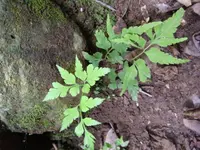
sickle speenwort Care (Asplenium polyodon)

Also known as: Mare's Tail Fern, Petako
sickle speenwort

About sickle speenwort

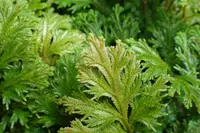
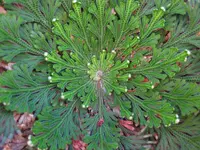
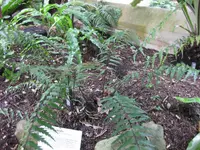
Sickle speenwort, Asplenium polyodon, is an evergreen fern valued for its graceful, arching fronds with finely divided leaflets that give a delicate, feathery look. It typically grows in clumps and forms soft, spreading mounds rather than an upright shape.

In nature it occurs in humid forests and on shaded rock faces across parts of Asia and the Pacific, often in cool, sheltered locations. It prefers consistent moisture, high humidity, and freely draining, humus-rich substrates, which influences how to care for sickle speenwort in homes or greenhouses.

This species is moderately easy to grow when its need for stable moisture, shade, and shelter from dry air is met, but can decline quickly if allowed to dry out or overheat.

Main Plant Requirements

Care Difficulty

Moderate Care

Light Preference

Partial Shade

Water Requirements

Keep Soil Moist

Temperature Preference

Tropical / Frost Sensitive

Hardiness Zone

10–11

Soil Texture

Loamy, Peaty, Organic-rich

Soil pH

Acidic (5.5–6.5)

Soil Drainage

Moist but well-drained

Fertilization

Light (every 4–6 weeks)

Get Personalized Care Plan

Scan your plant to receive care tips personalized for your specific plant

Available on iOS and Android

How to Care for the sickle speenwort

This fern prefers soft, filtered light that mimics a shaded forest understory.

  • Provide bright, indirect light or dappled shade, such as 1–3 hours of gentle morning sun with protection from harsh midday and afternoon rays.
  • Outdoors, place sickle speenwort under high tree canopy, on a shaded porch, or on the north or east side of a building to avoid leaf scorch.
  • In low light, fronds may lengthen and lose density; move gradually to brighter filtered light, especially in darker winter months.

Moist, never soggy soil supports steady growth for this fern.

  • Water when the top 2–3 cm of soil feel slightly dry, using enough to moisten the root zone but allowing excess to drain away fully.
  • Use a loose, humus-rich, well-drained mix; avoid standing water in saucers or low garden spots to reduce risk of root rot and yellowing fronds.
  • In cool seasons, let the surface dry a bit more between waterings; in warm, active growth, watch for drooping or crisp tips as signs to water sooner.

Stable, mild temperatures help this fern maintain healthy, fresh fronds.

  • Aim for 60–80°F (16–27°C) for best growth, avoiding rapid swings in temperature and very dry air.
  • Protect from cold below about 45°F (7°C); extended exposure near freezing can damage fronds and may kill the crown, especially in containers.
  • In hot spells above 85°F (29°C), provide deeper shade, extra humidity, and good air movement to prevent heat stress and frond scorch.

This fern prefers consistently moist air and reacts quickly to dry conditions.

  • Aim for 60–80% humidity; growth slows and fronds crisp at prolonged levels below 40%.
  • Brown, papery tips and edge curling indicate low humidity stress in sickle speenwort.
  • Increase humidity with a pebble tray under the pot, grouping plants, or a cool-mist humidifier placed nearby.

This fern needs a loose, moisture-retentive yet free-draining mix rich in organic matter.

  • Use a mix of 50–60% peat or coco coir with fine bark and compost, plus 20–30% perlite for drainage and aeration.
  • Target slightly acidic conditions around pH 5.5–6.5 to support nutrient uptake in Asplenium polyodon.
  • Ensure the mix feels springy and airy so roots receive oxygen but do not dry out into hard clumps.
  • Avoid heavy garden soil, pure compost, or mixes that stay waterlogged, which favor root and rhizome rot.

This species grows well in containers when root space and drainage are carefully managed.

  • Choose a wide, shallow pot to accommodate its fibrous root system and spreading crown without forcing deep, unused soil to stay wet.
  • Select a slightly heavier ceramic or clay container to keep the plant stable as fronds arch outward.
  • Elevate the pot on feet or a stand so drainage holes never sit in collected water, preventing anaerobic conditions at the root zone.

This fern benefits from light, consistent feeding during active growth but is sensitive to excess salts.

  • Use a balanced liquid fertilizer (around 10-10-10) diluted to 1/4–1/2 strength every 4–6 weeks in spring and summer.
  • Apply only to moist soil, never on dry roots, to reduce burn risk in sickle speenwort.
  • Skip or halve feeding in fall and winter when growth slows.
  • Avoid heavy compost or slow-release pellets that can accumulate salts in small pots.

Pruning Asplenium polyodon focuses on hygiene and maintaining a clean, uncluttered rosette.

  • Best time is during active growth in spring or early summer so the plant replaces removed fronds quickly.
  • Cut dead, yellowing, or damaged fronds at the base with clean, sharp scissors or pruners.
  • Remove crowded or overlapping fronds selectively to improve air flow and reduce fungal issues.
  • Avoid cutting the central growing crown, as this can deform the plant and slow new growth.

Container-grown plants benefit from occasional repotting to refresh soil and manage root growth.

  • Check for roots circling the pot, pushing through drainage holes, or a sudden slowdown in growth as signals to repot.
  • Plan repotting in spring, every 2–3 years, moving Asplenium polyodon into a container just 2–3 cm wider.
  • Use a loose, humus-rich, well-draining mix and handle the root ball gently to limit damage.
  • Water thoroughly after repotting, keep humidity high, and shade from strong sun for 1–2 weeks to reduce transplant stress.

This fern is usually propagated by division rather than from spores in home settings.

  • Divide mature clumps in spring when new fronds are just emerging and temperatures are mild.
  • Lift the plant, then gently separate small sections, each with healthy roots and several fronds.
  • Plant divisions into fresh, moist, fine-textured mix and keep in bright, indirect light.
  • Maintain high humidity, steady warmth (65–75°F), and evenly moist soil to encourage quick establishment.

Asplenium polyodon has limited frost tolerance and needs protection in cold climates.

  • In regions below 40°F, grow in containers and move indoors or into a frost-free greenhouse before freezing nights.
  • Maintain indoor temperatures around 60–75°F and avoid cold drafts or heater blasts.
  • Outdoors in mild climates, apply a light mulch around the root zone, keeping it away from the crown.
  • Reduce watering in winter, allowing the top of the mix to dry slightly while never letting roots fully dry out.

Care Tips

Use broad containers

Choose a wide, shallow pot rather than a deep one to accommodate the fern’s fibrous, surface-leaning roots and allow the fronds to arch naturally without crowding the crown.

Protect the crown

When top-dressing or refreshing mix, keep all material away from the central growing point so the crown stays slightly raised and well aerated, which reduces rot risk.

Rinse fronds periodically

Every 4–6 weeks, gently rinse the fronds with lukewarm water in the sink or shower to remove dust and spores that can block light and harbor spider mites.

Rotate for even shape

Turn the pot 90° every 2–3 weeks so the fronds receive light from different angles, which produces a balanced, symmetrical arch rather than a lopsided plant.

Plan gentle repotting

When repotting, only move up 2–3 cm in diameter and disturb the root ball as little as possible, as caring for sickle speenwort is easier when the plant is kept slightly root-bound and stress is minimized.

Common Pests and Diseases

Scale insects

This pest attaches to frond midribs and undersides, appearing as small brown or tan bumps and causing yellowing, stunted fronds, and sticky honeydew. Symptoms include slow decline and sooty mold growth on the sugary deposits in humid fern collections.

Solution

Isolate the plant, then gently wipe fronds with a cotton pad dampened with diluted insecticidal soap or horticultural oil, focusing on midribs and undersides. Repeat every 7–10 days for several cycles and improve airflow around the fern to reduce reinfestation risk while maintaining stable humidity for proper Asplenium polyodon care.

Mealybugs

These insects form white, cottony clusters at frond bases, in fiddleheads, and along rachises, sucking sap and causing distortion and chlorosis. This pest favors the dense crown and moist, sheltered conditions typical in fern collections and terrariums.

Solution

Remove visible colonies with a cotton swab dipped in isopropyl alcohol, then rinse the plant gently with lukewarm water to dislodge remaining insects. Follow with 2–3 applications of insecticidal soap at 7–10 day intervals and check adjacent ferns, as mealybugs spread easily between closely grouped plants.

Fern aphids

These insects cluster on tender new fronds and undersides, causing curling, pale patches, and sticky honeydew that can support sooty mold. This pest often appears after stress, such as temperature swings or dry air, when new growth is soft and vulnerable.

Solution

Shower the plant with a gentle stream of lukewarm water to remove most aphids, then apply a ready-to-use insecticidal soap, ensuring full coverage of new fronds and undersides. Repeat weekly until no new aphids appear and keep the plant in stable, low-draft conditions to support steady, less vulnerable growth.

Fern scale (soft scale)

This pest appears as flat, soft, tan to dark brown discs along fern stems and vein areas, often blending with the tissue. Symptoms include gradual frond yellowing, poor new growth, and sticky residues that attract mold and dust.

Solution

Gently scrape or wipe off individual scales with a fingernail or soft brush, then treat the plant with a light application of horticultural oil, taking care not to oversaturate delicate fronds. Maintain regular inspections of the crown and rachises for several weeks and repeat oil treatments at low dosage if new scales are detected.

Leaf spot (fungal or bacterial)

This disease produces small water-soaked or dark brown spots that may enlarge, merge, and cause sections of fronds to die back, especially in crowded, constantly wet foliage. Symptoms include irregular spotting along pinnae with more damage on older, lower fronds in stagnant, high-humidity conditions without airflow.

Solution

Remove and discard affected fronds, then water at the soil level and avoid wetting the foliage, especially in the evening. Increase spacing and airflow around the plant, and if spotting continues, apply a labeled fern-safe fungicide according to directions, focusing on new and slightly affected fronds rather than fully necrotic ones.

Interesting Facts

Epiphytic fern habit

This fern often grows as an epiphyte on tree trunks and mossy branches in cloud forests, anchoring into bark and organic debris rather than soil, which influences its preference for airy, humus-rich substrates in cultivation.

Distinct sickle-shaped pinnae

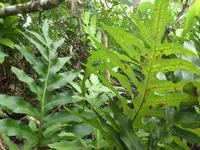
The fronds carry narrow, curved leaf segments that are distinctly sickle-shaped, a feature that gives rise to the common name sickle spleenwort and helps distinguish it from many other Asplenium species.

Moist montane specialist

In nature it is most commonly found in humid montane and cloud forests across parts of Australasia and the Pacific, where it experiences frequent mist, high ambient humidity, and relatively stable, mild temperatures year-round.

Botan icon

Did you know?

In some of its native cloud-forest habitats, this species can form dense hanging curtains on trunks and branches, creating miniature vertical fern gardens that significantly increase surface area for moisture capture and provide microhabitats for mosses, liverworts, and small invertebrates.

FAQs about sickle speenwort

This fern does not produce flowers. It reproduces using spores, which form in small structures on the undersides of mature fronds. Lack of blooms is normal and not a sign of poor health or care problems.

Grow Healthy Plants with Botan Care

Keep your plants happy and healthy with plant identification, disease detection, and easy care guidance.

Botan plant care app — identify plants on mobile

Explore More Plants