Encourage Ground Sprawl
Plant near the edge of raised beds or rock walls so stems can naturally spill over the edge, which shows the flowers better and reduces stem rot from resting on wet soil surfaces.

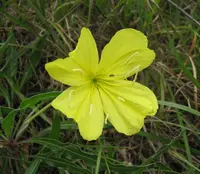
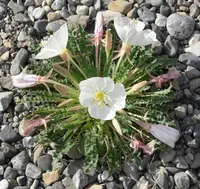
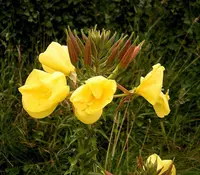
Bigfruit evening primrose, Oenothera macrocarpa, is a low, spreading perennial from dry prairies and rocky slopes of central North America. It forms a loose mound of narrow gray-green leaves that highlight its very large, bright yellow, fragrant flowers that open in the evening. Seed pods are thick and ornamental, adding interest after flowering. This species is adapted to poor, well-drained soils and dry conditions, so it suits rock gardens and xeriscapes. Once established, it is long-lived and low-maintenance, which makes it relatively easy to grow if drainage is good. Understanding how to care for bigfruit evening primrose starts with avoiding wet, heavy soil and providing plenty of sun.

Care Difficulty
Easy Care

Light Preference
Full Sun

Water Requirements
Low Water

Temperature Preference
Cold Hardy

Hardiness Zone
4–9

Soil Texture
Sandy, Loamy, Rocky

Soil pH
Slightly acidic (6.5–7.0), Neutral (7.0)

Soil Drainage
Well-drained

Fertilization
Minimal (feed rarely)
Scan your plant to receive care tips personalized for your specific plant
Available on iOS and Android
This sun-loving perennial performs best in open, bright conditions typical of dry prairie and rock garden sites.
This drought-tolerant perennial prefers infrequent, deep watering and fast-draining soil.
This species is adapted to continental climates with cold winters and hot, dry summers.
Humidity is not a significant factor for Oenothera macrocarpa, which is adapted to dry air.
Oenothera macrocarpa prefers light, fast-draining soil that mimics rocky or sandy native habitats.
This species is suitable for container growing, especially in sunny patios or rock-garden tubs.
This drought-tolerant perennial needs only modest feeding in typical garden soils, so fertilization for bigfruit evening primrose should stay light.
Pruning Oenothera macrocarpa is simple and mainly keeps the plant compact and flowering well.
This species is usually grown in the ground, and transplanting should be infrequent and gentle due to its deep root system.
New plants are most commonly produced from seed, making propagation straightforward for garden use.
This perennial is quite cold hardy and usually needs minimal winter care in typical garden climates.

Plant Health Check
Not sure what's wrong with your plant? Check your plant's health inside the app.
The large yellow flowers open in the evening and often close or fade by the following midday, an adaptation to attract nocturnal pollinators such as moths.
The woody, winged seed capsules split open and can be moved short distances by wind and water, helping the plant colonize open, gravelly or sandy habitats in its native central United States range.
This species develops a thick taproot that stores water and nutrients, allowing the plant to survive hot, dry summers on rocky slopes and prairies.

This species is often used in habitat restoration and erosion-control plantings in parts of its native range because its deep root system helps stabilize poor, shallow, or compacted soils while providing nectar for evening-active pollinators.
Lack of flowers usually comes from too much shade, overly rich or wet soil, or heavy spring fertilizing. This species blooms best in lean, well-drained ground with full sun and minimal feeding. Deadhead spent flowers to encourage more.
Keep your plants happy and healthy with plant identification, disease detection, and easy care guidance.