Osmanthus delavayi Care

Osmanthus delavayi

About Osmanthus delavayi

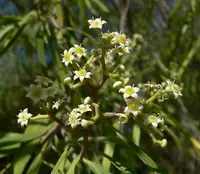
Osmanthus delavayi is an evergreen shrub valued for its compact habit, small dark green leaves, and abundant fragrant white spring flowers. It is often used in hedges, mixed borders, and patio containers. Plants form dense, rounded mounds and clip well, so they suit more formal designs. Native to southwestern China, this species adapts well to many temperate gardens. It prefers sun to light shade, moderately moist but well-drained soil, and shelter from very harsh winds. Once established, it is relatively low-maintenance, so learning how to care for Osmanthus delavayi is straightforward for most gardeners.

Main Plant Requirements

Care Difficulty

Easy Care

Light Preference

Partial Sun

Water Requirements

Moderate Water

Temperature Preference

Cold Hardy

Hardiness Zone

7–9

Soil Texture

Sandy, Loamy, Clay

Soil pH

Acidic (5.5–6.5), Slightly acidic (6.5–7.0)

Soil Drainage

Moist but well-drained

Fertilization

Minimal (feed rarely)

Get Personalized Care Plan

Scan your plant to receive care tips personalized for your specific plant

Available on iOS and Android

How to Care for the Osmanthus delavayi

This shrub prefers bright outdoor conditions that balance sun exposure with protection from harsh heat.

  • Provide 4–6 hours of direct morning sun with light or dappled shade in the afternoon, which supports dense growth and flowering for Osmanthus delavayi.
  • In hotter regions, give it eastern exposure or high, filtered light all day to reduce leaf scorch from intense 1–4 p.m. sun.
  • In cooler climates, allow more direct sun; watch for leggy, sparse shoots as a sign it needs more light.

Watering should maintain steady, slightly moist soil without staying saturated.

  • Before watering, check that the top 3–5 cm of soil are dry; then water deeply so moisture reaches the full root zone.
  • During the first growing season, monitor closely after hot, dry spells; drooping tips and crisp leaf edges suggest underwatering, while yellowing leaves and soggy soil indicate overwatering.
  • Use well-drained soil or a planting site that does not puddle, as Osmanthus delavayi is prone to root problems in standing water.

This species is a hardy outdoor shrub that handles moderate cold and summer warmth when temperature extremes are limited.

  • Ideal growth occurs around 50–75°F (10–24°C), with strongest vegetative growth in spring and fall when conditions are mild.
  • Mature plants often tolerate brief drops to about 0°F (−18°C), but young shrubs benefit from mulch around the root zone in colder areas.
  • In hot climates, periods above 90°F (32°C) are tolerated if soil is not dry; combine this with afternoon shade to reduce heat stress and leaf scorch.

This shrub handles a wide humidity range and usually does not need special humidity management outdoors.

This species prefers moist, free-draining, moderately fertile soil with a stable structure.

  • Use a loamy soil with some organic matter that holds moisture yet drains freely, avoiding heavy, compacted clay.
  • Aim for slightly acidic to neutral pH around 6.0–7.0, amending very alkaline ground with compost or leaf mold.
  • Improve drainage and aeration by working in coarse sand or fine grit plus well-rotted compost before planting.
  • Avoid waterlogged sites, shallow hardpan, or spots where runoff collects, as Osmanthus delavayi roots are prone to rot.

This shrub can grow successfully in containers when given adequate root space and drainage control.

  • Choose a deep, heavy pot to prevent tipping in wind, as the plant forms a dense, bushy crown that can become top-heavy.
  • Select a container material like thick ceramic or concrete that moderates temperature swings and slows moisture loss in hot conditions.
  • Raise the pot on feet or bricks so drainage holes stay clear and excess water exits quickly after rain or irrigation.

This shrub benefits from light, balanced feeding to support steady growth and flowering without excessive softness or pest issues.

  • Use a balanced slow-release granular fertilizer (for example 10-10-10) or well-rotted compost in early spring, worked lightly into the soil surface.
  • Feed established Osmanthus delavayi once in spring and, in poor soils, again in midsummer for sustained vigor.
  • Apply at half the label rate for shrubs, and water deeply afterward to move nutrients into the root zone.
  • Stop feeding 6–8 weeks before expected frost and avoid fertilizing in winter to prevent tender, frost-prone growth.

Light, well-timed pruning keeps Osmanthus delavayi dense, tidy, and flowering well.

  • Prune just after main flowering in spring so flower buds for the next season are not removed.
  • Use clean, sharp hand pruners to remove dead, diseased, or damaged wood back to healthy tissue.
  • Thin out a few crossing or congested interior shoots to open the canopy and improve air flow.
  • Shorten overly long stems by up to one-third to maintain shape and encourage bushier new growth.

This species is usually grown in the ground, with transplanting more relevant than frequent repotting.

  • Transplant Osmanthus delavayi in early spring or early fall when temperatures are mild and soil is workable.
  • Move plants only when growth is slow, roots circle the pot, or the shrub has clearly outgrown its position.
  • Dig a wide hole, keep the root ball intact, and replant at the same depth in well-drained soil, then water thoroughly.
  • Mulch 5–8 cm around the base, keep soil evenly moist for the first season, and avoid heavy pruning at the same time to reduce stress.

Gardeners typically propagate this shrub from semi-ripe cuttings, with seed used less often.

  • Take semi-ripe cuttings of Osmanthus delavayi in mid to late summer from non-flowering shoots 8–10 cm long.
  • Remove lower leaves, dip the cut base in rooting hormone, and insert into a free-draining mix such as 1:1 peat-free compost and perlite.
  • Maintain high humidity around cuttings with a propagator lid or clear cover, and keep at 65–75°F in bright, indirect light.
  • For seeds, stratify in moist medium at cool temperatures for several weeks before sowing shallowly in spring.

This shrub is generally cold hardy in many temperate gardens but benefits from some winter attention in colder areas.

  • Osmanthus delavayi tolerates light to moderate frost but young plants are more vulnerable to freeze–thaw cycles.
  • Apply a 5–8 cm mulch layer around the root zone in late fall, keeping it slightly away from the stem.
  • In exposed sites, shield foliage from drying winds with a shrub wrap or windbreak fabric for the coldest months.
  • Move container-grown plants into a sheltered, frost-free but cool spot, and water sparingly while soil remains cold.

Care Tips

Flowering-friendly pruning

Right after flowering, lightly thin out a few of the oldest stems at the base to open the shrub’s center, which improves air flow and helps maintain heavy blooming wood for the following year when caring for Osmanthus delavayi.

Root-zone protection

Apply a 5–8 cm layer of bark mulch over the root zone, keeping it a few cm away from the stems, to buffer soil temperature, reduce moisture swings, and protect shallow feeder roots from summer heat and winter cold.

Evergreen wind management

In exposed sites, use a low, open fence or hedge as a windbreak to reduce desiccating winter winds that can scorch foliage and cause branch dieback in this evergreen shrub.

Form shaping in youth

During the first 2–3 years, selectively tip back overly long shoots in late spring to encourage a dense, rounded framework that will better support the shrub’s weight and reduce the need for heavy corrective pruning later.

Targeted pest scouting

From spring to early summer, check the undersides of leaves and young stems every 2–3 weeks for scale insects or aphids and wash small infestations off with a firm stream of water before resorting to horticultural oil or insecticidal soap.

Common Pests and Diseases

Scale insects

This pest feeds on stems and leaf undersides, sucking sap and causing yellowing, leaf drop, and sticky honeydew that can lead to sooty mold. Infestations are often seen as small, dome-shaped or flat bumps firmly attached to the plant.

Solution

Prune out heavily infested twigs, then wipe remaining scale with a cotton pad dipped in 70% isopropyl alcohol or use a soft brush with insecticidal soap, repeating every 7–10 days until new growth is clean. Encouraging natural predators outdoors and avoiding excess nitrogen fertilizer also helps keep populations low when growing Osmanthus delavayi.

Aphids

These insects cluster on tender shoot tips and leaf undersides, sucking sap and causing curling, distortion, and sticky honeydew deposits. Ants are often attracted to the honeydew and may be seen moving up and down the stems.

Solution

Spray shoots and leaf undersides with a firm stream of water to dislodge colonies, then follow with insecticidal soap or a ready-to-use neem oil product, applied in the early morning or evening. Remove or pinch back heavily infested soft tips to reduce numbers and improve plant vigor.

Leaf spot

This disease causes small brown, tan, or purple spots on leaves that may coalesce and lead to premature leaf drop, especially in damp, shaded conditions. Symptoms include more severe spotting on older foliage and in areas with poor air circulation.

Solution

Remove and dispose of affected leaves from the plant and the ground, then thin dense growth slightly to improve airflow and speed drying. If wet weather persists and spotting is progressive, a labeled copper or chlorothalonil fungicide can be applied according to label directions, focusing on new growth.

Sooty mold

This disease appears as a black, soot-like coating on leaves and stems, developing on the sugary honeydew excreted by sap-feeding insects such as scale or aphids. Symptoms include dull, blackened foliage that may photosynthesize less but usually has limited direct tissue damage.

Solution

First control the honeydew-producing insects with targeted measures such as insecticidal soap or horticultural oil. Once the pest is suppressed, gently wash leaves with lukewarm water and a small amount of mild liquid soap, or allow rain and time to weather off the fungal growth.

Honey fungus

This disease, caused by Armillaria fungi in the soil, can attack the roots and lower stem, leading to gradual decline, sparse foliage, and dieback of branches. Symptoms include reduced vigor, premature leaf drop, and sometimes mushroom clusters at the base in autumn.

Solution

Remove and destroy severely affected plants, including as much root material as possible, and avoid replanting susceptible woody species in the same spot for several years. Improve soil drainage, avoid mechanical root damage, and keep the shrub healthy with proper watering and mulching to reduce stress that predisposes it to infection, as part of broader Osmanthus delavayi care instructions.

Interesting Facts

Natural hybrid parent

Osmanthus delavayi is one of the two wild parents of the popular hybrid Osmanthus ×burkwoodii, valued in gardens for combining compact growth with strong fragrance.

Late winter blossom

This species typically flowers in late winter to early spring, often before many shrubs leaf out fully, providing early nectar for pollinating insects when few other woody plants bloom.

Fine-textured evergreen foliage

Compared with several other osmanthus species, it has notably small, finely toothed, dark green leaves that create a dense, refined texture well suited to clipped hedges and low formal plantings.

Botan icon

Did you know?

Osmanthus delavayi was first described to science from plants collected in Yunnan, China by the French missionary-botanist Jean Marie Delavay in the late 19th century, and the species name delavayi honors his extensive botanical exploration of that region.

FAQs about Osmanthus delavayi

Lack of flowers usually comes from too little light, pruning at the wrong time, or excessive nitrogen fertilizer. Avoid heavy pruning after flowering, keep the shrub in good light, and use a balanced, not high‑nitrogen, fertilizer.

Grow Healthy Plants with Botan Care

Keep your plants happy and healthy with plant identification, disease detection, and easy care guidance.

Botan plant care app — identify plants on mobile

Explore More Plants