Paeonia broteri Care

Paeonia broteri

About Paeonia broteri

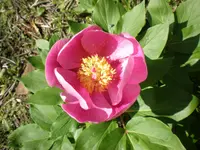
Paeonia broteri is a herbaceous peony species forming a low, bushy clump that dies back to underground buds each year. It produces large, showy pink flowers above divided, often bluish-green foliage.

This species is native to the Iberian Peninsula, typically found in open woodlands and rocky slopes, which makes it adapted to well-drained, often calcareous soils. It prefers sunny to lightly shaded sites with moderate moisture that does not stay waterlogged.

Gardeners value Paeonia broteri for its ornamental flowers and relatively hardy nature, though it can be slow to establish and resents disturbance once planted. Understanding how to care for Paeonia broteri helps support reliable flowering and long-term growth in temperate gardens.

Main Plant Requirements

Care Difficulty

Moderate Care

Light Preference

Full Sun

Water Requirements

Moderate Water

Temperature Preference

Cold Hardy

Hardiness Zone

6–8

Soil Texture

Sandy, Loamy, Rocky

Soil pH

Slightly acidic (6.5–7.0), Neutral (7.0)

Soil Drainage

Well-drained

Fertilization

Minimal (feed rarely)

Get Personalized Care Plan

Scan your plant to receive care tips personalized for your specific plant

Available on iOS and Android

How to Care for the Paeonia broteri

This sun-loving Mediterranean peony flowers best in bright outdoor conditions.

  • Provide 6–8 hours of direct sun daily, with a preference for morning sun and light afternoon shade in hotter regions to reduce leaf scorch risk.
  • Plant Paeonia broteri in an open, unshaded spot; it tolerates light, dappled shade but too much shade leads to weak stems and fewer or no blooms.
  • In early spring, ensure exposure is not blocked by emerging trees or structures, as strong light at this stage supports robust shoots and flower bud formation.

This species prefers deep, infrequent watering in free-draining soil.

  • Outdoors in the ground, water only when the top 5–7 cm of soil are dry, aiming for a thorough soak rather than frequent light sprinkling.
  • Ensure very good drainage with sandy or loamy soil; persistent wetness, sour smell, or soft, blackened roots indicate overwatering and possible root rot.
  • During summer dormancy, reduce watering sharply for Paeonia broteri, while in active spring growth, watch for drooping, dull foliage as a sign the soil has become too dry.

This hardy peony thrives with cool winters and mild to warm growing seasons outdoors.

  • Optimal growing temperatures are about 60–75°F (16–24°C) during active spring growth, which supports strong stems and flower development.
  • The plant tolerates winter lows near 5–15°F (-15 to -9°C) once established, and cold seasons provide the chill needed for proper bud formation.
  • In hot climates, protect from prolonged heat above 90°F (32°C) with afternoon shade and mulch, as extreme heat can stress foliage and shorten flowering.

This species is adapted to relatively dry, open habitats, so humidity is rarely a concern when grown outdoors.

This species prefers well-drained, mineral-rich soil that does not stay wet after rain or irrigation.

  • Use a sandy or gravelly loam with 20–30% coarse grit or sharp sand to keep pore spaces open.
  • Aim for slightly alkaline to neutral pH around 7.0–8.0, avoiding strongly acidic mixes that can limit nutrient availability.
  • Incorporate moderate, well-rotted compost rather than peat-heavy organic matter, which can hold excess moisture around the crown.
  • Avoid compacted clay, waterlogged beds, and thick mulches directly over crowns, which increase rot risk for Paeonia broteri.

This species is not well suited to long-term container growing due to its deep-rooted, clumping habit.

This wild peony generally grows well in lean soils and needs only light, targeted feeding.

  • Apply a thin layer of well-rotted compost around plants once in early spring, keeping it off the crowns.
  • If growth is weak, use a balanced slow-release fertilizer (for example 10-10-10) at half label rate in spring.
  • Avoid feeding in late summer and during winter dormancy to prevent soft, frost-prone growth.
  • Do not apply fertilizer directly onto stems or buds to reduce burn risk.

Pruning needs for Paeonia broteri are low and focus on hygiene rather than shaping.

  • In late autumn or after hard frost, cut back spent stems to ground level using clean, sharp pruners.
  • Remove dead, diseased, or storm-damaged growth as soon as noticed to limit fungal spread.
  • Thin only severely crowded stems to improve air flow, which supports healthier foliage and flowers.
  • Disinfect pruning tools before and after use, especially if disease is present, to avoid transmission.

This species is usually grown in the ground, and transplanting should be rare and carefully planned.

  • Transplant in early autumn or very early spring, when the plant is dormant and soil is workable.
  • Look for signs such as crowded clumps, declining flowering, or poor vigor before deciding to move Paeonia broteri.
  • Lift the clump with a wide soil ball, disturbing roots as little as possible and keeping buds at the same soil depth.
  • Water deeply after transplanting, then maintain evenly moist, well-drained soil to limit transplant shock.

Propagation is possible but slow, and most gardeners rely on careful division rather than seed.

  • Divide established clumps in early autumn, when foliage has died back and buds are visible on thick roots.
  • Use a clean, sharp knife to cut sections with 3–5 buds and several strong roots per division.
  • Replant divisions immediately at the original depth in well-drained, fertile soil, spacing them widely.
  • Seed propagation requires fresh seed, cold stratification, and patience, as flowering may take several years.

This hardy peony tolerates typical temperate winters with minimal intervention once established.

  • After hard frost, remove and discard dead stems to lower fungal disease risk over winter.
  • Apply a 5–8 cm mulch layer over the root zone in colder regions, keeping mulch slightly away from buds.
  • In very cold or exposed sites, add a loose straw or leaf layer over crowns, removing it gradually in early spring.

Care Tips

Secure flower stems

Install low, wide peony hoops or discrete stakes in late winter before shoots elongate so stems grow through the support and heavy blooms do not snap in wind or rain.

Protect emerging shoots

Mark the clump in autumn and place a light mulch ring or temporary wire cage in late winter so early reddish shoots are shielded from trampling and accidental hoe damage.

Practice clean deadheading

After flowering, cut spent seed heads back to just above a strong leaf joint, leaving all healthy foliage intact so the plant can store energy in its roots for the next season.

Monitor botrytis risk

In cool, wet springs, check buds and young stems weekly for soft brown spots or grey fuzz, then promptly remove affected tissue and any fallen debris to reduce botrytis blight pressure when caring for Paeonia broteri.

Divide only when necessary

If flowering declines on a mature clump, lift and divide in late summer or early autumn, keeping divisions large with 3–5 eyes each and replanting them at the same depth to minimize establishment setback.

Common Pests and Diseases

Botrytis blight

This disease causes soft, brown, water-soaked spots on young shoots, buds, and flowers, which then become covered with gray, fuzzy mold. Symptoms include rapid collapse of stems in cool, wet conditions, especially around bloom time.

Solution

Remove and discard all infected buds, stems, and spent flowers as soon as they appear, and clean up dead plant debris in fall to reduce overwintering spores. Improve air circulation around clumps, avoid overhead watering, and in very wet springs consider a preventive fungicide labeled for peonies, applied according to label directions.

Peony leaf blotch

This disease, also called red spot or measles, causes purple to reddish-brown spots and streaks on leaves and stems that can merge into larger blotches. Symptoms include distorted foliage and weakened stems later in the season.

Solution

Cut out and dispose of heavily affected stems during the growing season and remove all above-ground growth at the end of the season to reduce inoculum. Promote good air flow, avoid wetting foliage, and in gardens with a history of issues consider a spring fungicide program labeled for peonies, starting when shoots emerge.

Phytophthora stem rot

This disease produces blackened, water-soaked lesions at the base of stems, leading to sudden wilting and collapse of shoots even when soil appears adequately moist. Symptoms include browning of internal stem tissues near the soil line.

Solution

Promptly remove and destroy affected stems, and avoid replanting peonies in the same exact spot if losses are severe. Improve drainage by raising the planting area or amending soil, space plants well, and avoid excessive watering or mulching directly against the crown to support long-term Paeonia broteri care.

Thrips

These insects rasp at petals and young leaves, causing streaked, silvery, or brownish patches on flowers and distorted new growth. Symptoms include buds that fail to open properly and petals that appear scratched or discolored.

Solution

Remove and discard heavily damaged buds and spent flowers, and use a strong stream of water to dislodge insects from foliage in the early morning. For persistent infestations, apply an insecticidal soap or horticultural oil thoroughly to buds and leaves, repeating as directed on the product label.

Aphids

These insects cluster on tender stems and undersides of leaves, sucking sap and causing curling, yellowing, or distorted growth. This pest also excretes sticky honeydew that can lead to sooty mold on foliage and buds.

Solution

Spray affected areas with a firm jet of water to knock aphids off plants and prune out heavily infested shoot tips. If needed, use insecticidal soap or a light horticultural oil, ensuring full coverage of undersides of leaves and repeating applications until populations are reduced.

Interesting Facts

Iberian endemic range

This species is naturally restricted to the Iberian Peninsula, mainly in central and southwestern Spain and parts of Portugal, where it grows in open woodlands, scrub, and rocky grasslands on calcareous and siliceous soils.

Early-season bloomer

It typically flowers in mid to late spring, often earlier than many other wild European peonies, producing solitary, usually pink to magenta flowers that stand above the foliage and support early-season pollinators.

Complex taxonomic history

Paeonia broteri was long confused with other European peonies in the Paeonia officinalis group, and only detailed morphological and cytological studies (including chromosome analysis) clarified its status as a distinct Iberian species, which is important for accurate Paeonia broteri care instructions.

Botan icon

Did you know?

This species forms fleshy underground storage roots and a robust crown that allow it to survive the hot, dry Mediterranean summers in complete dormancy, re-emerging reliably each spring even after months without rainfall.

FAQs about Paeonia broteri

Lack of flowers is usually caused by planting too deep, immature plants, or insufficient winter chill. Excessive nitrogen fertilization and heavy shade also reduce buds. Avoid frequent moving or division, as disturbance delays flowering for several seasons.

Grow Healthy Plants with Botan Care

Keep your plants happy and healthy with plant identification, disease detection, and easy care guidance.

Botan plant care app — identify plants on mobile

Explore More Plants