Lean-soil siting
Place plants in a bed that is not heavily amended or fertilized and avoid rich compost layers, as slightly lean soil keeps stems compact and reduces flopping when growing hairy beardtongue.

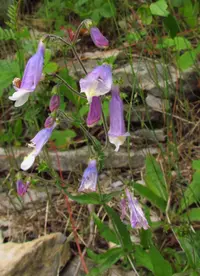
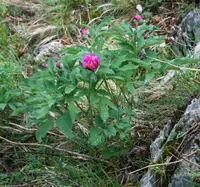
Hairy beardtongue (Penstemon hirsutus) is a small, clump-forming perennial native to eastern and central North America. It belongs to the Penstemon group, often called beardtongues, known for tubular flowers that attract bees and hummingbirds.
This species typically forms upright stems with narrow leaves and airy spikes of pale lavender to pink flowers. Plants usually look best in informal beds, native plant gardens, and pollinator plantings.
It is generally easy to grow in well-drained, lean to moderately fertile soil and does not like heavy, waterlogged conditions. Gardeners who want to learn how to care for hairy beardtongue usually find it rewarding in sunny, open sites.

Care Difficulty
Easy Care

Light Preference
Full Sun

Water Requirements
Low Water

Temperature Preference
Cold Hardy

Hardiness Zone
3–8

Soil Texture
Sandy, Loamy, Rocky

Soil pH
Acidic (5.5–6.5), Slightly acidic (6.5–7.0)

Soil Drainage
Well-drained

Fertilization
Minimal (feed rarely)
Scan your plant to receive care tips personalized for your specific plant
Available on iOS and Android
This species thrives in open, bright locations with cool to warm conditions.
This perennial prefers slightly dry conditions and is sensitive to excess moisture.
This hardy species tolerates a wide range of outdoor temperatures when established.
This species prefers relatively dry air and typical outdoor humidity.
This plant thrives in lean, well-drained, mineral-rich soil.
This species can be grown in containers if drainage and root conditions are carefully managed.
This native perennial grows best in lean soil, so only light feeding is needed for healthy Penstemon hirsutus care instructions.
Pruning keeps Penstemon hirsutus compact, encourages flowering, and maintains plant health.
This species is usually grown in the ground, so focus on careful transplanting rather than frequent repotting.
Penstemon hirsutus is commonly propagated by seed, basal cuttings, or careful division of mature clumps.
This species is cold hardy in much of the US and usually needs minimal winter care once established.

Plant Health Check
Not sure what's wrong with your plant? Check your plant's health inside the app.
This species is naturally common on dry, rocky slopes, open woodlands, and limestone glades in eastern North America, showing a strong adaptation to well-drained, low-fertility soils.
Its tubular, hairy flowers are particularly attractive to small native bees and certain butterflies, which can easily reach the nectar in the narrow corolla compared with many other prairie flowers.
It often keeps low basal leaves through winter in milder climates, allowing it to resume growth quickly in spring and compete effectively in short-season habitats.

Genetic studies of eastern North American beardtongues indicate that this species is part of a group that has diversified relatively recently, making it useful for research on how closely related wildflowers adapt to different microhabitats and soil types.
Poor flowering is usually caused by too much shade, overly rich or wet soil, or heavy fertilizing, which encourages leaves instead of buds. Older clumps may also need division every few years to restore vigor and flower production.
Keep your plants happy and healthy with plant identification, disease detection, and easy care guidance.