Wulfen's Primrose Care (Primula wulfeniana)

Wulfen's Primrose

About Wulfen's Primrose

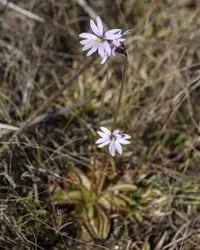
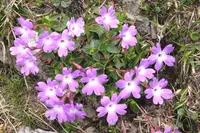
Wulfen's primrose, Primula wulfeniana, is a compact alpine perennial forming tight rosettes of leathery, often toothed leaves. It produces short stems topped with flat, purple to magenta flowers in early spring.

This species is native to limestone mountain slopes in parts of the Alps and Balkans, where it grows in rocky, well-drained, often sparse soils. It prefers cool conditions, steady moisture around the roots, and protection from intense heat, which can make it a little challenging in warm lowland gardens.

Gardeners who learn how to care for Wulfen's Primrose usually focus on recreating its cool, rocky habitat with free-draining yet moisture-retentive soil and good light without harsh midday sun.

Main Plant Requirements

Care Difficulty

Hard Care

Light Preference

Partial Shade

Water Requirements

Keep Soil Moist

Temperature Preference

Cold Hardy

Hardiness Zone

3–7

Soil Texture

Loamy, Rocky, Organic-rich

Soil pH

Acidic (5.5–6.5), Slightly acidic (6.5–7.0)

Soil Drainage

Moist but well-drained

Fertilization

Light (every 4–6 weeks)

Get Personalized Care Plan

Scan your plant to receive care tips personalized for your specific plant

Available on iOS and Android

How to Care for the Wulfen's Primrose

This alpine primrose prefers cool, bright conditions with protection from harsh midday sun.

  • Provide 3–5 hours of gentle morning sun with light shade or dappled light for the rest of the day, especially in summer.
  • Plant Wulfen's Primrose where taller plants or rocks cast partial shade, preventing leaf scorch and faded flowers in strong afternoon sun.
  • In hotter climates, shift exposure toward more shade in late spring–summer, while in cooler climates it can tolerate more direct morning to early afternoon sun.

This species needs steadily moist but not waterlogged soil, especially during active growth.

  • Water when the top 2–3 cm of soil feels just starting to dry, aiming for evenly damp soil around the root zone, not soggy.
  • Ensure sharply drained, gritty soil or a rock-garden setting so water moves through quickly and Primula wulfeniana roots do not sit in standing moisture.
  • Watch foliage for signals: drooping and dry soil suggest underwatering, while yellowing, mushy crowns or a sour smell indicate excess moisture and risk of rot.

This alpine perennial is cold hardy but dislikes prolonged heat and warm, wet conditions.

  • Optimal growth occurs around 45–65°F (7–18°C), with cool nights enhancing flowering and compact growth habit.
  • Mature plants tolerate winter lows near 0°F (−18°C) under snow cover, but repeated freeze–thaw without insulation can damage crowns.
  • In summer, protect from extended periods above 80°F (27°C) by providing shade and excellent drainage, since high heat combined with moist soil increases rot risk.

This alpine primrose prefers consistently cool, moderately moist air rather than very dry indoor conditions.

  • Aim for 50–70% humidity, as very dry heated rooms can cause leaf edges to brown and flowers to fade quickly.
  • Monitor for curled, crispy leaves and stalled growth as signs that air humidity is too low for Wulfen's Primrose.
  • Increase humidity outdoors by grouping pots in sheltered, moist spots, or indoors by placing trays of damp gravel near the plant rather than misting heavily.

This species needs sharply drained yet moisture-retentive soil that mimics gritty alpine conditions.

  • Use a gritty mix such as 40% loam, 30% fine gravel or coarse sand, and 30% leaf mold or compost for Primula wulfeniana.
  • Ensure fast drainage by avoiding heavy clay and by raising beds or using rock crevices that shed excess water quickly.
  • Keep pH slightly acidic to neutral, around 6.0–7.0, as strongly alkaline soil can reduce nutrient uptake and weaken plants.
  • Improve aeration by blending in coarse mineral material and avoiding peat-heavy mixes that compact and hold stagnant moisture.

This species can grow in containers if the setup closely imitates a cool, free-draining rock garden pocket.

  • Choose a wider, shallow pot to accommodate its relatively shallow root system and prevent water from lingering in deep, cold soil layers.
  • Use a heavy clay or terracotta container when possible, as it breathes and helps excess moisture evaporate from the root zone.
  • Elevate the pot on feet or mesh so drainage holes stay clear and meltwater or rain cannot pool under the container.

This alpine species needs only light feeding, as excessive fertilizer can weaken Wulfen's Primrose in the long term.

  • Apply a low-dose balanced liquid fertilizer (for example 10-10-10) at 1/4–1/2 strength every 4–6 weeks in spring–early summer.
  • Use a thin top-dressing of fine compost or leaf mold instead of heavy granular products.
  • Stop feeding by midsummer so new growth hardens before winter.
  • Do not fertilize during winter dormancy, especially in cold outdoor conditions.

Primula wulfeniana benefits from occasional light pruning to maintain health and flowering performance.

  • Deadhead spent flower stalks in late spring to direct energy into roots and next year’s buds.
  • Gently remove yellow, dead, or diseased leaves with clean scissors to improve air flow and reduce rot.
  • Thin out crowded rosettes after flowering to keep a compact cushion rather than a dense, matted clump.
  • Avoid cutting into healthy crowns; focus on surface cleanup rather than reshaping the plant.

This species is usually grown in rock gardens or troughs and dislikes frequent disturbance, so transplant only when clearly necessary.

  • Look for slow growth, crowns pushing out of the soil, or roots circling drainage holes as indicators of needed transplanting.
  • Plan moves for early spring or just after flowering, keeping at least 2–3 years between transplants.
  • Lift plants with a wide trowel, keeping soil around the roots, and replant at the same depth in well-drained, gritty soil.
  • Water gently after transplanting, shade from strong sun for 3–5 days, and avoid high fertilizer to limit root stress.

Primula wulfeniana is usually propagated in small numbers by division or seed under cool, controlled conditions.

  • Divide established clumps in early spring, separating firm rosettes with roots attached and replanting immediately.
  • Sow fresh seed in pots in late summer–autumn, then expose to natural winter cold to break dormancy.
  • Use a gritty, well-drained mix and keep it evenly moist, not wet, for both divisions and seedlings.
  • Provide bright, cool conditions and shelter from strong sun and heavy rain until young plants are established.

This alpine primula is quite cold hardy when grown in very free-draining soil but still benefits from thoughtful winter care.

  • Tolerates freezing conditions if crowns are not waterlogged; sharp drainage is essential in winter.
  • Apply a light gravel or grit mulch around crowns to insulate the root zone and shed excess moisture.
  • In very wet or exposed sites, grow in containers and move pots to a cold frame or sheltered porch for winter.

Care Tips

Alpine-style planting

Plant crowns slightly raised on a gritty mound or in a crevice so water drains away from the crown, which greatly reduces rot in wet seasons when growing Wulfen's Primrose.

Spring snow protection

In late winter to early spring, gently brush off heavy wet snow from the rosettes and place a simple clear cover during freeze–thaw cycles to prevent crown damage and leaf rot.

Summer shading strategy

In hotter regions, use temporary shade from a low screen, stone, or nearby non-invasive groundcover during the warmest weeks of summer to keep roots cool and extend flowering.

Rock mulch use

Top-dress around the plant with 0.5–1 cm grit or small rock chips instead of organic mulch to keep the neck dry, suppress moss, and stabilize soil temperature.

Careful division timing

Divide only well-established clumps immediately after flowering, replanting small rosettes with their roots intact and firming them into gritty soil so they re-establish before summer heat.

Common Pests and Diseases

Leaf spot

This disease causes small round brown, purple, or black lesions on leaves that may merge into larger dead patches. Symptoms include yellowing around the spots and premature leaf drop, especially in damp, crowded plantings.

Solution

Remove and dispose of affected leaves, avoid overhead watering, and water at soil level in the morning so foliage dries quickly. Improve air circulation around plants and, if spotting continues, use a labeled fungicide for ornamental primulas during cool, wet periods as part of broader Primula wulfeniana plant care.

Grey mold

This disease, caused by Botrytis, appears as soft brown patches on leaves and flower stems followed by a fuzzy grey mold, especially in cool, humid, stagnant air. Symptoms include collapsing flower stalks and slimy tissue at the crown level.

Solution

Promptly cut off and discard all infected flowers and leaves, keeping cuts above the crown. Reduce humidity around the plant, improve air movement, avoid wetting the foliage, and in persistent cases apply a suitable Botrytis fungicide according to label directions.

Aphids

These insects cluster on young leaves, flower stalks, and buds, sucking sap and causing curling, distortion, and sticky honeydew that can attract sooty mold. This pest can also transmit viruses between primula plants.

Solution

Wash colonies off with a firm stream of water, then use insecticidal soap or horticultural oil to coat both sides of the leaves and stems. Encourage natural predators such as lady beetles outdoors and remove heavily infested flower stalks to reduce population pressure.

Vine weevils

This pest damages Primula roots and crowns as larvae in the soil, causing plants to wilt and collapse, while adults chew notches in leaf edges. Symptoms include poor growth and sudden plant failure despite moist soil.

Solution

Inspect pots and soil for C-shaped white larvae and dispose of heavily infested plants and compost. Use biological controls such as entomopathogenic nematodes targeted at vine weevil larvae in moist soil, and hand-pick adult beetles from leaves at night to limit egg laying.

Primula powdery mildew

This disease forms white, powdery fungal growth on the upper leaf surface, especially in dry air with poor air movement, leading to distorted, yellowing foliage. Symptoms include a dusty coating that can spread across entire leaves and reduce flowering.

Solution

Remove the worst-affected leaves and avoid overcrowding plants to increase air flow. Water the soil rather than the foliage, avoid high nitrogen fertilization, and use a labeled powdery mildew fungicide or sulfur-based product if the disease persists or spreads quickly.

Interesting Facts

High alpine specialist

This species is naturally restricted to limestone and dolomite scree and rock ledges in the Eastern Alps, often above the tree line, where it tolerates intense UV radiation, strong winds, and short growing seasons.

Distinctive powdery leaves

Its leathery, evergreen leaves are covered with a fine farinose (powdery) coating, which helps reduce water loss and may protect tissues from strong mountain sunlight and cold.

Cushion-forming growth

Mature plants form tight, low cushions or mats that trap warmth and moisture around the crown, an adaptation that improves survival in exposed, rocky alpine habitats.

Botan icon

Did you know?

Primula wulfeniana is considered one of the more geographically restricted European primulas, occurring in scattered, localized populations in alpine regions of Austria, Slovenia, and adjacent areas, which makes habitat conservation particularly important for its long-term survival.

FAQs about Wulfen's Primrose

This species is a compact alpine perennial. Individual rosettes may be short-lived, but it usually persists for many years by forming small clumps when grown in suitable cool, well-drained rock garden or trough conditions.

Grow Healthy Plants with Botan Care

Keep your plants happy and healthy with plant identification, disease detection, and easy care guidance.

Botan plant care app — identify plants on mobile

Explore More Plants