Hybrid Stonecrop Care (Phedimus hybridus)

Also known as: siberian stonecrop
Hybrid Stonecrop

About Hybrid Stonecrop

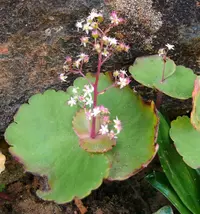
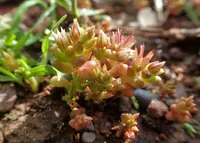
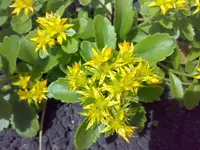
Hybrid stonecrop, Phedimus hybridus, is a low-growing, mat-forming perennial succulent often used as a groundcover in rock gardens and borders. It has fleshy leaves and star-shaped flowers that create a dense, colorful carpet in the growing season.

This species is native to parts of Europe and western Asia, where it naturally colonizes rocky slopes and well-drained, poor soils. Its drought tolerance and modest nutrient needs make it a low-maintenance option for many gardens.

Phedimus hybridus prefers sunny, open sites with sharply drained soil and does not handle waterlogged conditions well. These traits make it relatively easy to care for Hybrid Stonecrop in suitable light and soil conditions.

Main Plant Requirements

Care Difficulty

Easy Care

Light Preference

Full Sun

Water Requirements

Low Water

Temperature Preference

Cold Hardy

Hardiness Zone

4–9

Soil Texture

Sandy, Loamy, Rocky

Soil pH

Slightly acidic (6.5–7.0), Neutral (7.0)

Soil Drainage

Well-drained

Fertilization

Minimal (feed rarely)

Get Personalized Care Plan

Scan your plant to receive care tips personalized for your specific plant

Available on iOS and Android

How to Care for the Hybrid Stonecrop

This hardy groundcover succulent prefers bright conditions but benefits from protection from harsh afternoon sun.

  • Provide 6–8 hours of light daily, with full to partial sun; morning sun with light afternoon shade is ideal in hot summers.
  • In cooler climates, it tolerates full sun all day, but in zones with intense sun, use filtered light or dappled shade after 2–3 p.m.
  • Insufficient light causes Hybrid Stonecrop to stretch and lose dense form, while excessive sun can scorch leaves, especially in dry, reflective spots.

This drought-tolerant succulent prefers infrequent, deep watering and fast-draining soil.

  • Outdoors in the ground, water only when the top 3–5 cm of soil are completely dry; in normal weather this may mean every 10–21 days.
  • In summer heat, increase frequency slightly, watching foliage: slight wrinkling or soft, deflated leaves indicate it is time to water.
  • Yellowing, mushy stems signal overwatering or poor drainage, so amend soil with grit or sand and avoid puddling around Phedimus hybridus crowns.

This cold-hardy perennial tolerates a wide temperature range but grows best in moderate conditions.

  • Active growth is strongest around 60–75°F (16–24°C); foliage stays compact and rooting is most reliable in this range.
  • Established plants tolerate winter cold down to about -20°F (-29°C) with snow cover, but sudden freeze-thaw cycles can heave shallow roots.
  • In summer, plants handle up to 90–95°F (32–35°C) if soil is well drained; prolonged heat plus soggy soil increases rot risk, so improve drainage.

This succulent tolerates a wide humidity range and usually does not need special humidity control.

This species prefers lean, fast-draining soil that mimics rocky or sandy slopes.

  • Use a gritty, sandy loam with 30–50% mineral material such as coarse sand or fine gravel to prevent water retention around the roots.
  • Aim for a slightly acidic to neutral pH of about 6.0–7.0, which suits Phedimus hybridus in most garden and container settings.
  • Blend 1 part compost with 2 parts cactus mix or sandy garden soil to provide modest nutrients without sacrificing drainage and aeration.
  • Avoid heavy clay, compacted, or waterlogged sites, which promote root rot and weak, elongated growth.

This species is well suited to container growing outdoors on patios, balconies, and rock-garden troughs.

  • Choose a wide, shallow pot to match the spreading, mat-forming root system and reduce wasted depth that holds extra moisture.
  • Select a breathable material like unglazed terracotta if the climate is humid, as it allows the mix to dry faster between waterings.
  • Elevate the container slightly on pot feet or bricks so gravity can pull excess water out instead of letting it pool under the base.

This drought-tolerant succulent needs only light feeding to stay healthy in most garden soils.

  • Use a balanced, low-strength liquid fertilizer (around 10-10-10) at 1/2–1/4 label strength for Hybrid Stonecrop in poor or sandy soil.
  • Feed once in late spring and again midsummer during active growth if plants look weak or pale.
  • Skip fertilizer in fall and winter to avoid soft, frost-prone growth.
  • Compost can be used as a very thin surface dressing, kept away from stems to prevent rot.

Phedimus hybridus benefits from light pruning to maintain a dense, tidy mat of foliage.

  • Best time is early spring or just after main flowering flush has finished.
  • Shear or trim back spent flower stems and leggy, sparse patches to encourage compact new growth.
  • Remove dead, damaged, or diseased sections with clean, sharp scissors or hand pruners.
  • Lightly thinning crowded areas improves air movement and helps reduce fungal problems.

This species is more often transplanted in the garden than repotted, as it forms low, spreading clumps.

  • Transplant or divide every 3–5 years in early spring or early fall, when temperatures are mild.
  • Signs it needs more space include crowded, woody centers, slower spread, or poor flowering.
  • Lift clumps gently, tease apart sections with roots attached, and replant at the same depth in well-drained soil.
  • Water lightly after planting, then allow soil to dry between waterings to limit root stress and potential rot.

Phedimus hybridus is commonly propagated by division and stem or leaf cuttings.

  • Divide mature clumps in early spring or early fall, replanting rooted sections immediately.
  • Take short, non-flowering stem cuttings in late spring to summer, let cut ends callus for 1–2 days, then place on gritty, barely moist mix.
  • Leaf cuttings can also root on a dry, free-draining medium with bright, indirect light.
  • Seeds are less common; surface-sow on well-drained mix, keep slightly moist, and provide bright, cool conditions.

This hardy groundcover tolerates typical winter cold in much of the US and usually needs minimal special care.

  • Established in-ground plants withstand frost and snow, though foliage may die back and re-sprout in spring.
  • Apply a light, 2–3 cm mulch of gravel or coarse bark around, not on, crowns to protect the root zone in colder regions.
  • Container plants are more vulnerable; move pots to a sheltered, unheated spot or against a wall to reduce freeze–thaw stress.

Care Tips

Encourage Dense Mats

Lightly pinch back long, bare stems in late spring to early summer to encourage branching and a tighter groundcover, collecting healthy tip cuttings for easy propagation if you want to expand the planting.

Edge Protection Strategy

Install a shallow stone, brick, or metal edging 3–5 cm deep around beds to prevent this spreading plant from creeping into lawns or paths, while still allowing it to fill in as a living mulch.

Winter Drainage Check

Before winter in colder climates, confirm that soil and planting pockets drain freely and are not in a low spot where meltwater pools, since prolonged winter wetness causes more loss than low temperatures for this species.

Divide To Rejuvenate

Every 3–4 years, lift and divide older clumps in early spring, replanting only the thick, vigorous sections and discarding woody or sparse centers to maintain a dense, healthy carpet when growing Hybrid Stonecrop.

Rock Crevice Placement

When planting in rock gardens, tuck small pieces of stem with attached roots into narrow crevices filled with gritty mix, which stabilizes the plant, reduces heaving, and helps roots stay cool and dry.

Common Pests and Diseases

Aphids

These insects cluster on tender shoots and flower stalks, sucking sap and causing distorted growth and sticky honeydew on leaves. This pest is often attracted to soft new growth on groundcover mats of Phedimus hybridus.

Solution

Rinse colonies off with a firm stream of water, then spot-treat remaining insects with insecticidal soap or a ready-to-use neem oil spray, applied in the early morning or evening. Reduce excess nitrogen fertilization, which encourages soft, aphid-prone growth, and remove heavily infested stems if needed.

Mealybugs

These insects appear as white, cottony clusters in leaf axils and along stems, weakening plants by feeding on sap and sometimes leading to sooty mold on the foliage. This pest can settle into dense mats of stems where air circulation is poor.

Solution

Dab visible clusters with cotton swabs dipped in isopropyl alcohol, then follow with a thorough spray of insecticidal soap, repeating weekly until no new insects appear. Thinning overcrowded patches improves airflow and makes it harder for mealybugs to establish long-term colonies.

Spider mites

These pests cause fine stippling, dull or bronzed leaves, and delicate webbing, especially during hot, dry weather. Symptoms include slowed growth and leaves that lose their normal succulent firmness over time.

Solution

Spray foliage with a strong stream of water to dislodge mites, then apply neem oil or insecticidal soap to both leaf surfaces, repeating every 5–7 days until new growth appears clean. Increasing ambient humidity slightly and avoiding long periods of drought stress will help reduce future outbreaks while still keeping soil relatively dry, which suits Phedimus hybridus care instructions.

Powdery mildew

This disease shows up as white, powdery patches on leaves and stems, which can cause yellowing and premature leaf drop if severe. Symptoms include reduced vigor in dense, shaded plantings with poor air movement.

Solution

Remove and discard affected leaves to reduce spores, then improve air circulation by thinning crowded stems and avoiding overhead watering late in the day. In persistent cases, apply a labeled sulfur or potassium bicarbonate fungicide to new and lightly affected growth, following the product directions carefully.

Leaf and stem rot

This disease develops in overly wet or poorly drained conditions, leading to mushy stems at the base and yellowing, collapsing foliage. Symptoms include patches dying out in the center of a planting where moisture lingers longer.

Solution

Cut out and discard all soft, rotted tissue, then improve drainage by amending heavy soil with grit or gravel and avoiding frequent watering. Replant healthy divisions in raised or better-drained spots, spacing plants to allow faster drying after rain and reducing the risk of future infections.

Interesting Facts

Central European native

This species is naturally distributed in mountainous and hilly regions of Central and Eastern Europe, where it grows on rocky slopes, open woodlands, and grasslands with well-drained, often calcareous soils.

Rhizome-based spreading

It forms creeping rhizomes, which are underground stems that store resources and allow the plant to spread into dense mats that stabilize shallow, rocky or disturbed soils.

Cold-tolerant succulent

Unlike many succulents from warm climates, it tolerates freezing winters and dormancy, an adaptation to its continental European habitats with cold seasons and relatively dry, sunny conditions.

FAQs about Hybrid Stonecrop

Lack of flowers usually comes from too much shade, excess nitrogen fertilizer, or frequent watering that keeps the soil constantly moist. Improve light, reduce feeding, and let the soil dry slightly between waterings to support bud formation.

Grow Healthy Plants with Botan Care

Keep your plants happy and healthy with plant identification, disease detection, and easy care guidance.

Botan plant care app — identify plants on mobile

Explore More Plants