Rocky topdressing
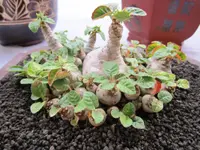
Add a 1–2 cm layer of coarse gravel or small rocks around the crown to keep stem bases dry, reduce soil splash, and mimic the rocky habitats that reduce rot risk when caring for quill fameflower.

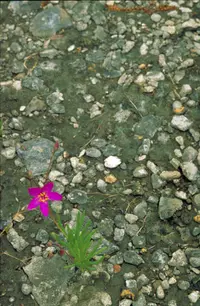
Quill fameflower, Phemeranthus teretifolius, is a small, clump-forming succulent perennial from dry, rocky habitats in the southeastern United States. It is adapted to thin, well-drained soils on outcrops and glades.
The plant forms fine, cylindrical leaves that resemble stiff quills, with delicate pink to magenta flowers that open in sun and close again as light fades. Its compact size and drought tolerance make it suitable for rock gardens and troughs.
Because it dislikes wet, heavy soils and root disturbance, it can be slightly challenging for beginners. Those who learn how to care for quill fameflower usually find it long-lived and reliable in the right conditions.
It generally prefers full sun, excellent drainage, and low to moderate moisture, similar to many xeric or rock garden species.

Care Difficulty
Moderate Care

Light Preference
Full Sun

Water Requirements
Low Water

Temperature Preference
Cold Hardy

Hardiness Zone
5–9

Soil Texture
Sandy, Rocky, Loamy

Soil pH
Slightly acidic (6.5–7.0), Neutral (7.0)

Soil Drainage
Well-drained

Fertilization
Minimal (feed rarely)
Scan your plant to receive care tips personalized for your specific plant
Available on iOS and Android
This sun-loving North American succulent needs strong light to flower and stay compact.
This species is highly drought-tolerant and prefers infrequent, deep watering in fast-draining soil.
This warm-season perennial favors hot, dry conditions but has some cold tolerance when soil drains well.
Humidity is rarely important for this drought-tolerant succulent, which thrives in dry air.
This species prefers very lean, sharply drained, sandy soil that mimics rocky outcrops.
This species can be grown in containers if kept very well drained and relatively dry.
This drought-adapted succulent needs only light feeding, as excessive nutrients reduce flowering and compact growth.
Phemeranthus teretifolius needs minimal pruning, mainly to keep the clump tidy and flowering well.
This species prefers to stay undisturbed and is more often transplanted in the garden than repotted frequently in containers.
This plant is usually propagated from seed, with some success also possible from careful division of established clumps.
In much of its native range this species is cold hardy and needs little winter care in the ground.

Plant Health Check
Not sure what's wrong with your plant? Check your plant's health inside the app.
This species is native to the southeastern United States and is tightly associated with sunny sandstone and granite outcrops, where it grows in very shallow, nutrient-poor pockets of soil that many other plants cannot tolerate.
Its cylindrical, succulent leaves minimize surface area and help the plant conserve water under intense sun and heat on exposed rock surfaces.
The star-shaped pink flowers typically open during the hottest, brightest part of the day in summer and may close again as light or temperature drops, an adaptation that likely supports efficient pollination and protects reproductive tissues.

This species often occurs in naturally sparse, harsh habitats such as rocky glades and outcrops that support many narrow endemics, so land managers sometimes use its presence as a field indicator of intact, relatively undisturbed rock outcrop communities.
This species forms small clumps and slowly enlarges, but it does not spread aggressively or invade neighboring beds. It stays fairly contained and is usually easy to manage in rock gardens or dry borders.
Keep your plants happy and healthy with plant identification, disease detection, and easy care guidance.