Pacific ninebark Care (Physocarpus capitatus)

Pacific ninebark

About Pacific ninebark

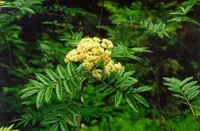
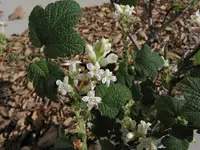
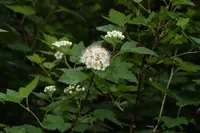
Pacific ninebark (Physocarpus capitatus) is a hardy deciduous shrub native to the Pacific coast of North America, often found along streams, wetlands, and moist forest edges. It forms dense, arching thickets with lobed green leaves and clusters of small white flowers in late spring.

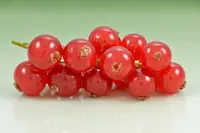
The peeling, many-layered bark is a key feature and gives the plant its common name. Seed heads age from red to brown, adding seasonal interest and supporting wildlife.

This shrub adapts well to a range of garden conditions, which makes it relatively easy to grow. It prefers sun to light shade, consistent moisture, and well-drained soil, and these traits guide how to care for Pacific ninebark.

Main Plant Requirements

Care Difficulty

Easy Care

Light Preference

Full Sun

Water Requirements

Moderate Water

Temperature Preference

Cold Hardy

Hardiness Zone

4–8

Soil Texture

Sandy, Loamy, Clay

Soil pH

Acidic (5.5–6.5), Slightly acidic (6.5–7.0)

Soil Drainage

Moist but well-drained

Fertilization

Minimal (feed rarely)

Get Personalized Care Plan

Scan your plant to receive care tips personalized for your specific plant

Available on iOS and Android

How to Care for the Pacific ninebark

This shrub prefers full sun for best flowering and foliage color but accepts some light shade.

  • Provide 6–8 hours of direct sun daily; in hot inland areas, morning sun with light afternoon shade reduces leaf scorch.
  • Pacific ninebark tolerates partial shade (around 4 hours sun), but foliage may be looser and flowering reduced compared to full-sun sites.
  • Avoid deep shade, which leads to weak, sparse growth; in summer, monitor west-facing exposures where intense afternoon sun can stress newly planted shrubs.

This species prefers evenly moist, well-drained soil, especially during establishment.

  • Check soil 5–7 cm deep and water only when it feels dry at that depth, then soak the root zone thoroughly rather than giving light splashes.
  • During the first 1–2 growing seasons, maintain consistent moisture; once established, Physocarpus capitatus handles short dry periods if soil is not compacted or poorly drained.
  • Watch for yellowing, soft leaves or persistent wet soil as signs of overwatering, and for wilting, crispy leaf edges, or early leaf drop as signs of underwatering.

This hardy shrub tolerates a wide temperature range typical of many temperate climates.

  • Active growth is strongest around 60–75°F (16–24°C), with cool nights supporting sturdy shoots and good foliage color.
  • Established plants tolerate winter lows near 0°F (−18°C) or slightly below, dropping leaves and going dormant in cold seasons without protection in most regions.
  • In summer, it withstands brief heat up to about 90–95°F (32–35°C) if soil moisture is maintained; prolonged extreme heat with drought can cause leaf scorch and stress.

Humidity is not a major concern for this shrub in typical outdoor conditions.

This shrub prefers moist, aerated soil that does not stay waterlogged.

  • Use a loamy soil rich in organic matter with sand or fine gravel to keep the structure open and stable.
  • Aim for slightly acidic to neutral pH around 6.0–7.0, avoiding strongly alkaline or compacted ground.
  • In heavy clay, incorporate 30–50% compost and coarse sand or small grit to improve drainage and root aeration.
  • Avoid low-lying spots where water stands after rain, since prolonged saturation increases root rot risk for Physocarpus capitatus.

This species can be grown in containers outdoors, but only with careful attention to root space and stability.

  • Choose a deep, heavy container that resists tipping as the shrub becomes tall and top-heavy in windy sites.
  • Use a slightly raised pot stand or bricks so drainage holes stay clear and excess water escapes quickly after rain or irrigation.
  • Select a thick-walled or insulated pot material in hot climates to limit root overheating and extreme moisture swings.

This native shrub usually needs minimal feeding in garden soil but benefits from light nutrition on poor or very sandy sites.

  • Apply a thin layer of compost around the root zone in early spring to support steady growth of Pacific ninebark.
  • Use a balanced slow-release fertilizer (around 10-10-10) once in spring if growth is weak or foliage looks pale.
  • Keep fertilizer away from the stem base and water in well to avoid root burn and uneven nutrient uptake.
  • Avoid feeding in late fall or winter to prevent tender new growth that is vulnerable to cold damage.

Pruning Physocarpus capitatus maintains structure, encourages healthy new shoots, and supports flowering.

  • Carry out main pruning right after flowering so new wood has time to develop for next year’s blooms.
  • Remove dead, diseased, or crossing branches at their base using clean, sharp bypass pruners or loppers.
  • Thin out a few of the oldest stems at ground level to open the center and enhance air flow.
  • Shorten overly long or sprawling shoots to shape the shrub, keeping a natural, arching habit.

This shrub is typically grown in the ground, so care focuses on thoughtful transplanting rather than frequent repotting.

  • Transplant in early spring or fall when temperatures are mild and soil is workable.
  • Move young plants every few years only if growth is poor, roots circle the planting hole, or space is inadequate.
  • Dig a broad planting hole, keep the root ball intact, and set the shrub at the same soil depth as before.
  • Water deeply after transplanting, then keep soil evenly moist and apply mulch to limit root stress while it re-establishes.

Physocarpus capitatus is commonly propagated from semi-hardwood cuttings and sometimes from seed or layering.

  • Take semi-hardwood cuttings in mid to late summer, 10–15 cm long, from healthy, non-flowering shoots.
  • Remove lower leaves, dip the base in rooting hormone, and insert into a moist, well-drained medium under high humidity.
  • Sow fresh seed outdoors in fall to allow natural cold stratification, which improves germination.
  • Use simple layering in spring by pegging a low, flexible stem to the soil until rooted, then sever and transplant.

This species is cold hardy in much of its range and usually needs only minimal winter attention once established.

  • Apply a 5–8 cm layer of organic mulch around the root zone in late fall, keeping it slightly away from stems.
  • Reduce watering in winter, providing only enough to prevent complete soil drying in unfrozen ground.
  • For container plants, move pots to a sheltered, unheated but frost-moderated spot to protect roots from extreme temperature swings.

Care Tips

Encourage Multi-Stems

When plants are young, pinch or lightly head back the central leader in late winter to encourage multiple main stems and a fuller, wind-resistant shrub when growing Pacific ninebark.

Renewal Thinning Cycles

Every 2–3 years, remove 1–3 of the oldest stems at ground level rather than shearing the top, which maintains natural form, prevents congestion, and reduces disease pressure deep in the shrub.

Mulch For Root Cooling

Maintain a 5–8 cm layer of coarse bark or wood chips over the root zone, keeping it a few cm away from the stems, to stabilize soil moisture and protect shallow roots from summer heat and winter freeze–thaw.

Bank On Winter Moisture

In regions with dry summers, water deeply in late fall before soil freezes so roots enter winter fully hydrated, which improves spring bud break and reduces stress on new growth.

Monitor Suckers Strategically

Allow a few well-placed basal shoots to develop each year to replace aging stems, but remove unwanted suckers early with clean cuts at the base so energy is directed into a balanced, long-lived framework.

Common Pests and Diseases

Powdery mildew

This disease causes a white, powdery film on leaves, often starting on the youngest growth and shaded inner branches. Symptoms include leaf curling, distortion, and reduced vigor, especially in dry air with poor air movement.

Solution

Prune crowded stems to improve airflow, remove and discard the most affected leaves and shoots, and avoid overhead watering late in the day. If needed, apply a sulfur or potassium bicarbonate fungicide labeled for ornamental shrubs, following label directions and focusing on new growth as part of broader Physocarpus capitatus care instructions.

Aphids

These insects cluster on tender shoots and leaf undersides, sucking sap and excreting sticky honeydew that can lead to sooty mold. Symptoms include curled or distorted new leaves and reduced shoot growth.

Solution

Spray colonies off with a strong but controlled stream of water, repeating every few days until numbers drop. For persistent infestations, use insecticidal soap or a light horticultural oil, ensuring thorough coverage of shoot tips and leaf undersides while treating in the early morning or late evening to avoid leaf burn.

Leaf spots

This disease appears as scattered brown, tan, or purplish spots on leaves, sometimes with yellow halos or minor premature leaf drop. Symptoms include a generally speckled or thinned canopy, especially after cool, wet weather or overhead irrigation.

Solution

Remove and discard heavily spotted fallen leaves and thin dense interior stems to improve light and air penetration. Water at the base rather than overhead, and if the problem recurs severely, apply a broad-spectrum ornamental shrub fungicide in early spring according to label directions.

Scale insects

These insects appear as small, dome-shaped or shell-like bumps on stems and sometimes leaves, remaining fixed in place while feeding on plant sap. Symptoms include reduced vigor, twig dieback, and sticky honeydew on foliage and nearby surfaces.

Solution

Prune out and discard heavily infested twigs, then scrub remaining scale gently from stems with a soft brush and soapy water if the plant is small enough. For larger shrubs, apply horticultural oil during the dormant or crawler stage as indicated on the product label to smother scale while minimizing impact on beneficial insects.

Interesting Facts

Layered peeling bark

Mature stems develop thin bark that peels off in multiple curling layers, creating the “ninebark” appearance that helps the shrub naturally shed lichens and surface pathogens over time.

Moist-habitat specialist

This species is native to streambanks, lake margins, and wet forest edges along the Pacific coast of North America, where its dense, fibrous root system helps stabilize banks and reduce erosion.

Wildlife support shrub

The dense branching provides nesting shelter for small birds, its white spring flowers supply nectar and pollen for native bees and flies, and the small dry fruits are eaten by birds later in the season, making it an important multi-season resource in riparian habitats.

Botan icon

Did you know?

This species tolerates periodic flooding and waterlogged soils far better than many ornamental ninebark relatives, which is why restoration ecologists frequently use it in riparian and wetland rehabilitation projects in its native Pacific coastal range.

FAQs about Pacific ninebark

Brown, crispy leaf edges usually result from drought stress, hot drying winds, or excess fertilizer salts. Improve watering consistency, mulch the root zone, and flush the soil with plain water if fertilizer burn is suspected.

Grow Healthy Plants with Botan Care

Keep your plants happy and healthy with plant identification, disease detection, and easy care guidance.

Botan plant care app — identify plants on mobile

Explore More Plants