Dugula Care (Planchonella chartacea)

About Dugula

Dugula, Planchonella chartacea, is a small to medium evergreen tree from tropical forests, likely in New Caledonia and nearby Pacific regions. It belongs to the Sapotaceae family, known for dense wood and often latex-bearing sap.

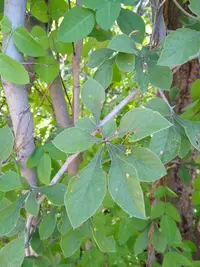
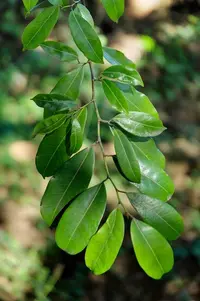
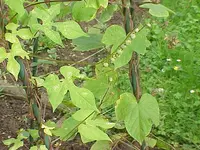
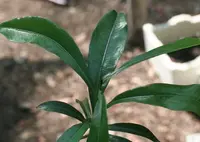
The tree typically has simple, leathery leaves and a rounded crown, creating a neat, balanced outline in habitat or larger collections. Growth is steady but not fast, so it suits patient growers with space for a shrub to small-tree form.

Planchonella chartacea prefers warm, frost-free conditions, consistent moisture, and well-drained, humus-rich soil. Understanding these natural forest conditions helps guide how to care for Dugula in cultivation.

Main Plant Requirements

Care Difficulty

Moderate Care

Light Preference

Partial Shade

Water Requirements

Moderate Water

Temperature Preference

Tropical / Frost Sensitive

Hardiness Zone

Unknown

Soil Texture

Loamy, Sandy, Organic-rich

Soil pH

Acidic (5.5–6.5), Slightly acidic (6.5–7.0)

Soil Drainage

Well-drained

Fertilization

Minimal (feed rarely)

Get Personalized Care Plan

Scan your plant to receive care tips personalized for your specific plant

Available on iOS and Android

How to Care for the Dugula

Planchonella chartacea prefers bright, gentle light that mimics an understory forest position.

  • Aim for 3–5 hours of early morning sun with light shade or dappled light the rest of the day, avoiding harsh midday exposure.
  • Provide partial shade, such as under taller shrubs or trees, to protect Dugula leaves from scorch and leaf edge browning in strong sun.
  • In summer, shift planting or add shade cloth if leaves pale or crisp; in winter, allow more open sky exposure to maintain compact growth.

This species prefers evenly moist, well-drained soil that never stays waterlogged.

  • Water when the top 3–5 cm of soil feels dry, using enough to moisten the root zone, then let excess drain away completely.
  • Reduce watering frequency in cooler months, but do not allow the root area to dry out hard or the leaves may droop and curl at the edges.
  • Watch for yellowing, soft leaves or a sour soil smell as signs of overwatering, and thin, brittle leaves as indicators of underwatering in Planchonella chartacea.

This plant grows best in consistently warm, frost-free conditions with only mild temperature swings.

  • Target 65–80°F (18–27°C) for active growth, as prolonged cooler conditions slow root activity and new leaf production.
  • Protect from temperatures below 45°F (7°C); brief dips to 40°F (4°C) may be tolerated, but frost or freezing will damage foliage and young stems.
  • In hotter periods above 86°F (30°C), increase shade and airflow and ensure soil does not dry out completely to prevent heat stress and leaf scorch.

This species benefits from moderately humid air but usually adapts to typical household conditions.

  • Aim for 50–70% humidity to keep foliage of Dugula firm and growth steady.
  • In prolonged dry air below ~40%, watch for leaf edge browning, curling, and slower new growth as humidity stress signs.
  • Increase humidity with a nearby room humidifier, grouped plants, and a wide, water-filled pebble tray placed under but not touching the pot.

This plant prefers a loose, airy, organic-rich substrate that drains freely yet retains some moisture.

  • Use a mix of roughly 50% peat or coco coir, 25% fine bark, and 25% perlite or pumice for structure and drainage.
  • Aim for slightly acidic to neutral pH, around 6.0–7.0, which supports nutrient availability and root health.
  • Ensure the mix feels springy rather than compact; bark and perlite pieces create air pockets that reduce suffocation and rot.
  • Avoid heavy garden soil, dense clay-based mixes, or containers where water lingers on the surface for more than a few minutes.

This species is suitable for container growing when the pot is chosen to support its root depth and moisture needs.

  • Select a pot slightly deeper than wide so the root system can anchor well and access an even moisture profile.
  • Choose a stable, heavier container material if the plant becomes top-heavy, to prevent tipping in wind or accidental knocks.
  • Use a pot with multiple, unobstructed drainage holes so excess water exits quickly rather than pooling around lower roots.

Planchonella chartacea benefits from light, steady nutrition rather than heavy feeding, which supports slow, woody growth without forcing soft, weak shoots.

  • Use a balanced, slow-release fertilizer (such as 10-10-10) or well-aged compost incorporated into the topsoil in spring during active growth.
  • Feed container or young plants every 6–8 weeks in the growing season at half the label strength to avoid salt buildup and root burn when caring for Dugula.
  • Reduce or stop fertilizing in fall and winter when growth slows, especially in cooler regions or low-light indoor settings.
  • Water before and after applying granular products so nutrients move into the root zone and do not concentrate on dry roots.

Planchonella chartacea responds well to light, targeted pruning that maintains structure and removes unhealthy wood without stressing the tree.

  • Carry out structural pruning in late winter or early spring before vigorous new growth begins.
  • Remove dead, diseased, crossing, or inward-growing branches to improve air flow and reduce fungal issues.
  • Shorten overly long or unbalanced shoots to refine shape and manage overall size, avoiding heavy cuts in a single season.
  • Use clean, sharp bypass pruners or loppers and make angled cuts just above a bud or side branch.

This species is typically grown in the ground, so care focuses more on transplanting young trees than frequent container repotting.

  • Transplant in late winter or early spring, when temperatures are mild and new root growth is about to start.
  • Look for signs such as roots circling the pot, slow growth, or quick drying soil as cues that a container plant needs a larger space.
  • Move up 1 pot size only, loosening circling roots gently and trimming broken ones to reduce transplant shock.
  • Water deeply after planting, apply a 5–8 cm mulch layer, and keep soil evenly moist for several weeks to help roots re-establish.

Planchonella chartacea is usually propagated by seed, with vegetative methods used less commonly due to slower rooting and woody growth.

  • Sow fresh seeds in late spring or early summer in a well-drained, slightly acidic mix kept evenly moist.
  • Scarify hard seed coats lightly or soak seeds 12–24 hours to improve water uptake and enhance germination rates.
  • Provide warm conditions around 70–80°F and bright, indirect light; germination may be slow and uneven.
  • Semi-ripe cuttings can be tried in warm months using rooting hormone, high humidity, and bottom heat, though success is variable.

This plant is suited to warm, frost-free or very mild climates, so any exposure to freezing temperatures can damage foliage and young wood.

  • In marginal climates, site trees in a sheltered position away from cold winds and low pockets where frost settles.
  • Mulch the root zone with 5–8 cm of organic material in late fall to buffer soil temperature fluctuations.
  • For container plants in cooler regions, move pots indoors or into a bright, frost-free space before nights reach 32°F.

Care Tips

Early structural training

Stake young stems with a soft tie and adjust supports every 3–4 months to develop a balanced, upright framework that can carry the plant’s eventual weight without snapping.

Canopy light management

Rotate the pot 90° every 3–4 weeks and lightly thin the densest inner shoots once a year so light can reach lower foliage and reduce premature leaf drop on shaded interior branches.

Root monitoring routine

Check drainage holes every 2–3 months for circling roots and gently tease or trim them back at the next repotting to maintain a fine, fibrous root system that anchors the plant well.

Preventive pest scouting

Inspect leaf undersides and young shoots weekly with a hand lens, focusing on any sticky residue or webbing, and isolate the plant promptly for treatment if mealybugs or scale are detected.

Gradual environment shifts

When relocating the plant between seasons, move it in 2–3 small steps over 7–10 days to new light or humidity conditions to avoid stress responses like sudden leaf drop while growing Dugula.

Common Pests and Diseases

Scale insects

This pest feeds on sap along stems and leaf undersides, often appearing as small, fixed brown or tan bumps. Symptoms include sticky honeydew, sooty mold on leaves, and gradual yellowing or decline of shoots.

Solution

Prune heavily infested twigs, then wipe remaining colonies with cotton pads dipped in 70% isopropyl alcohol or insecticidal soap, repeating every 7–10 days until new growth is clean. In outdoor or landscape settings, encourage natural predators and, if pressure is high, use a horticultural oil spray that thoroughly coats stems and leaf undersides in calm, mild weather.

Mealybugs

This pest forms white, cottony clusters in leaf axils, along young shoots, and on roots in containers. Symptoms include distorted new growth, sticky honeydew, and reduced vigor in young plants or nursery stock.

Solution

Isolate affected plants, then manually remove visible clusters with alcohol-dampened cotton swabs or a soft brush and follow with an insecticidal soap or light horticultural oil spray, repeating at 7–10 day intervals. For potted specimens, inspect roots and remove any mealybugs during repotting, discarding loose infested potting mix and improving light and air movement to reduce reinfestation.

Leaf spot

This disease causes scattered brown to dark purple spots on the relatively thin leaves, sometimes with a yellow halo or small holes as tissue dries. Symptoms include premature leaf drop on stressed or shaded plants, especially in warm, humid conditions.

Solution

Remove and discard affected leaves and any fallen debris, then increase airflow and reduce prolonged leaf wetness by watering at the base and avoiding overhead irrigation late in the day. In persistent cases on valuable plants, apply a labeled broad-spectrum fungicide according to instructions and monitor new foliage regularly, as part of broader Planchonella chartacea care in humid climates.

Sooty mold

This disease develops as a black, powdery coating on leaves and stems that grow beneath honeydew-producing insects like scale or mealybugs. Symptoms include dull, blackened foliage and reduced photosynthesis, which can slow growth over time.

Solution

First control the underlying sap-sucking insects, then gently wash leaves with lukewarm water and a small amount of mild liquid soap, wiping to remove the fungal layer. Improve light and airflow so foliage dries more quickly, and repeat washing if any residual mold remains after insect populations are reduced.

Interesting Facts

New Caledonia endemic

This species is native to and naturally restricted to New Caledonia, where it occurs in humid forest habitats on this small Pacific archipelago.

Latex-producing sap

Like many Sapotaceae, it produces a milky latex in its tissues, a characteristic sap that plays a role in wound sealing and defense against herbivores.

Papery leaf texture

The species name chartacea refers to its thin, somewhat papery leaves, which distinguish it from many thicker-leaved relatives in the same genus.

FAQs about Dugula

This tree is moderately fast-growing in warm, humid climates, adding roughly 20–40 cm of height per year when established. Growth slows in poor soil, cool conditions, or if root space is restricted.

Grow Healthy Plants with Botan Care

Keep your plants happy and healthy with plant identification, disease detection, and easy care guidance.

Botan plant care app — identify plants on mobile

Explore More Plants