Pluteus americanus Identification

Recognize Pluteus americanus by its orange-brown cap, free pink gills, and a central stem without a ring or volva.

It is usually small to medium, with a cap about 1-4 inches (3-10 cm) wide. The gills do not attach to the stem, leaving a clear gap.

Pluteus americanus Identification

Identify a Plant by Photo

Check your plant ID by uploading a clear photo to Botan.

Clear images work best. Avoid photos taken too close or too far away

Check the mushroom’s cap, gills, and stem together for a quick read on Pluteus americanus.

  • Cap broadly convex to nearly flat, often with a low central bump.
  • Cap surface dry, brown to yellow-brown, usually darker at the center.
  • Gills are free from the stem, crowded, and turn pink as spores mature.
  • Stem is central, slender, and lacks a ring or volva at the base.

A pink-gilled mushroom with free gills and no ring is the most useful visual combination here.

Pluteus americanus shows clear cap, gill, and stem changes as the fruiting body expands.

  • Young plant: Very young buttons are compact, with a rounded to bell-shaped cap, pale yellow to yellow-brown surface, and gills still partly hidden by the cap margin.
  • Mature plant: As Pluteus americanus opens, the cap broadens to nearly flat, often 1-4 inches (2.5-10 cm) wide, while the center stays darker and finely textured.
  • Fruiting stage: In full fruiting condition, free gills turn pink as spores mature, and the slender stem remains ringless, separating this stage from earlier pale-gilled forms.

Pluteus americanus is most visible from late spring through fall, when its mushrooms fruit on decaying hardwood. Fresh caps often show warm yellow-brown to brown tones, making the species easier to notice. As the fruiting bodies age, the cap surface usually fades and the gills turn pink as spores mature. Outside the fruiting period, there is little to see because no persistent above-ground structure remains.

A few wood-growing Pluteus mushrooms can be mistaken for Pluteus americanus.

Deer mushroom(Pluteus cervinus)

Similar cap shape and pink gills make this the main look-alike. It is usually brown to gray-brown, not bright yellow, and lacks the strong golden tones typical of P. americanus.

Orange mock Pluteus(Pluteus aurantiorugosus)

Both can show warm yellow-orange caps on decaying wood. This species is deeper orange to red-orange and often has a more wrinkled cap center, while P. americanus stays more yellow-gold.

Pluteus americanus is documented from eastern North America, especially the eastern United States and adjacent Canada. Geography helps only a little, but it is more useful to place this species in the right woodland setting. It grows on well-decayed hardwood, including logs, stumps, and buried wood, in forests and wooded parks. Finding it fruiting directly from rotting wood, rather than from soil, is one of the better habitat clues for narrowing identification within Pluteus.

Correct identification matters because Pluteus americanus is a mushroom, and mushroom misidentification can cause poisoning in humans and pets through ingestion.

  • Deadly look-alikes: It can be confused with small brown Galerina species growing on wood. Galerina mushrooms are poisonous to humans and pets if eaten. A key visible difference is the rusty-brown spore print of Galerina versus the pink spore print of Pluteus.

Not Sure About the ID?

Use Botan to compare a photo and help confirm the species, so you can rule out common mix-ups more quickly.

FAQ

The most reliable check is the combination of free gills, a pink spore print at maturity, and growth on decaying wood. For identifying Pluteus americanus, the cap is usually yellow-brown to olive-brown and finely textured.

More Plant Identification Guides

Identify It. Learn More About It.

Use Botan to identify it from a photo, then get plant details, care information, and safety notes tailored to that species.

Botan app identifying a plant from a photo
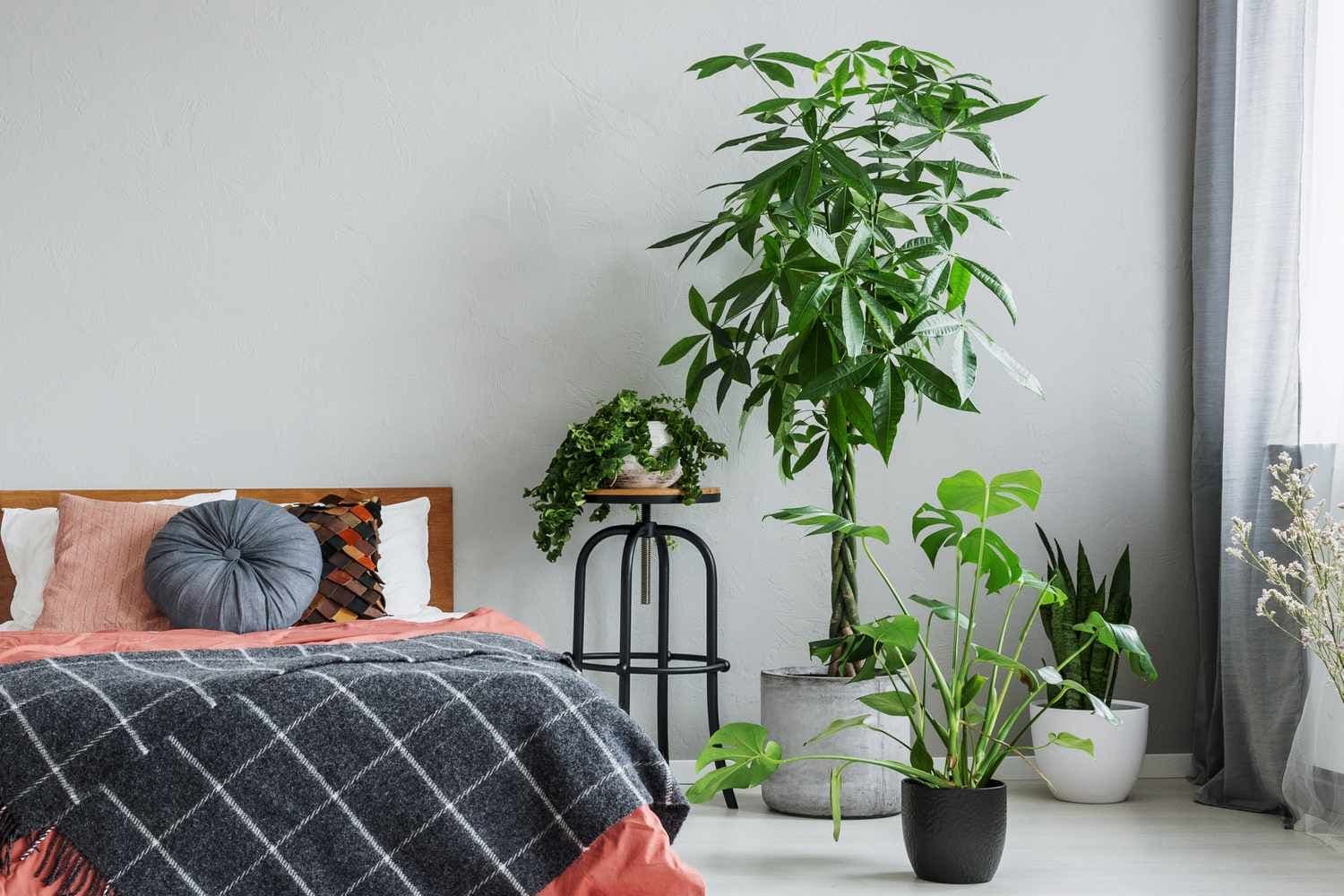
Best Bedroom Plants – Top 10 to Grow in Your Space

8 min read · 8 Jul 2026

Best Bedroom Plants – Top 10 to Grow in Your Space

Discover the top 10 houseplants that are suitable for growing in your bedroom. Compare their light and water needs, pet safety, and benefits. Find out where best to place greenery in your relaxation space and what species to avoid.

Plant Recommendations
Best Bedroom Plants – Top 10 to Grow in Your Space
How to Increase Humidity for Plants – 8 Simple Ways That Work

8 min read · 14 Aug 2026

How to Increase Humidity for Plants – 8 Simple Ways That Work

Dry indoor air stresses a lot of houseplants. You usually notice it first in the browning leaf tips. This guide describes 8 simple ways to raise the moisture around your plants, from humidifiers to pebble trays.

Plant Care
How to Increase Humidity for Plants – 8 Simple Ways That Work
Frozen vs Fresh Vegetable Nutrients: Which Option Is Healthier?

6 min read · 8 Sept 2026

Frozen vs Fresh Vegetable Nutrients: Which Option Is Healthier?

Frozen and fresh vegetables are nutritionally comparable: frozen produce often retains vitamins just as well as fresh and may sometimes contain more. Here’s how blanching and storage affect nutrients—and when to choose each.

Plant Recommendations
Frozen vs Fresh Vegetable Nutrients: Which Option Is Healthier?