

Mulch For Fronds
Apply a 2–5 cm layer of fine bark mulch around the crown, keeping it just away from the rhizome, to stabilize soil moisture and protect new fiddleheads from splash and soil compaction.

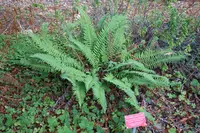
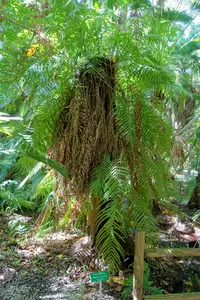
California swordfern, Polystichum californicum, is an evergreen fern native to rocky slopes and forests of western North America, especially California and Oregon. It forms dense clumps of upright, arching fronds with a firm, leathery texture and a strong, structural look.
This species typically grows on well-drained, often rocky soils and thrives in cool, moist, shaded to partly shaded habitats. It is considered a relatively tough fern, but steady moisture and protection from hot, dry wind are important. Gardeners who learn how to care for California swordfern usually find it reliable in suitable climates.

Care Difficulty
Moderate Care

Light Preference
Partial Shade

Water Requirements
Regular Water

Temperature Preference
Cool Climate

Hardiness Zone
6–9

Soil Texture
Loamy, Rocky, Organic-rich

Soil pH
Acidic (5.5–6.5), Slightly acidic (6.5–7.0)

Soil Drainage
Moist but well-drained

Fertilization
Minimal (feed rarely)
Scan your plant to receive care tips personalized for your specific plant
Available on iOS and Android
This woodland fern prefers bright, indirect light that mimics dappled forest shade.
This fern likes steadily moist but not waterlogged soil.
This species is a cool to mild climate fern with good cold tolerance.
This fern prefers consistent moisture with moderately high humidity, especially indoors.
This species thrives in loose, humus-rich soil that mimics a moist forest floor.
This fern adapts well to container growing on shaded patios or balconies.
This native fern needs modest feeding, with focus on organic matter rather than heavy fertilizer.
Pruning Polystichum californicum is mainly hygienic, helping fronds stay tidy and healthy.
This fern is usually grown in the ground, with transplanting done infrequently and thoughtfully.
Propagation of Polystichum californicum is most practical by division of mature clumps.
This fern is generally cold hardy in its native range and needs minimal winter care in the ground.

Plant Health Check
Not sure what's wrong with your plant? Check your plant's health inside the app.
This fern is considered a nothospecies, meaning it arose through hybridization between two other Polystichum species and then stabilized as a distinct, fertile species in the wild.
In nature it often grows on rocky outcrops, talus, and cliffy slopes in western North America, showing strong tolerance to sharp drainage and relatively dry, exposed microsites compared with many woodland ferns.
Its fronds are typically evergreen in much of its coastal and low- to mid-elevation range, providing year-round structure and cover in native plant communities.

Genetic and morphological studies have shown that this species belongs to a complex of closely related shield ferns in western North America, and it is sometimes used by botanists as an indicator of past hybridization and diversification events in the genus Polystichum.
Brown fronds usually indicate low humidity, chronic underwatering, or accumulated salt from fertilizer. Remove fully brown fronds, flush the potting mix occasionally, and adjust moisture and humidity to stabilize new growth rather than trying to reverse old damage.
Keep your plants happy and healthy with plant identification, disease detection, and easy care guidance.

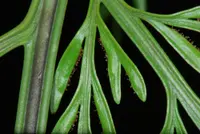
mother fern
Asplenium bulbiferum
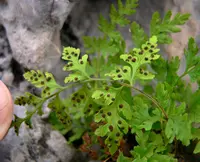
brittle bladderfern
Cystopteris fragilis
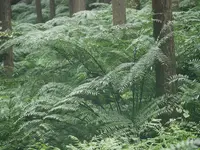
Angiopteris lygodiifolia
Angiopteris lygodiifolia
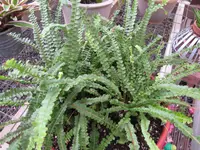
Lemon Button Fern
Nephrolepis cordifolia 'Duffii'
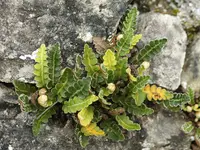
Rustyback
Asplenium ceterach
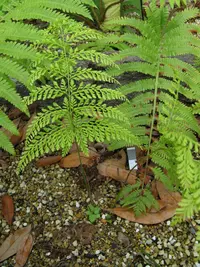
Upside-down Fern
Arachniodes standishii
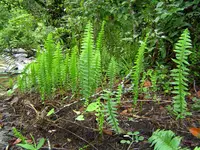
annual swordfern
Nephrolepis undulata
giant vine fern
Stenochlaena tenuifolia