Upside-down Fern Care (Arachniodes standishii)

Upside-down Fern

About Upside-down Fern

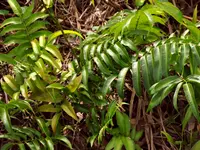
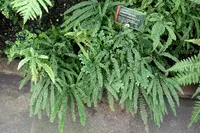
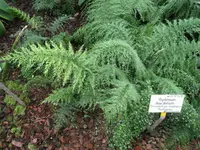
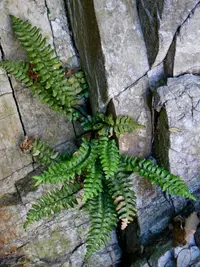
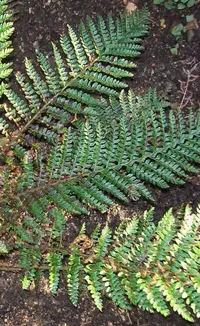
Upside-down fern (Arachniodes standishii) is a hardy, evergreen woodland fern valued for its finely divided fronds that arch gracefully and show a subtle two-tone effect. It forms dense, low clumps that slowly spread, making it suitable for shaded borders, woodland gardens, and containers.

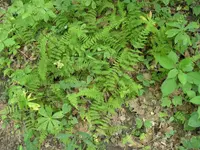
This species is native to Japan, where it grows on forest floors and rocky slopes in cool, moist conditions. Its preference for consistent moisture, shade, and humus-rich soil makes it relatively easy to grow if those conditions are met.

Gardeners who learn how to care for Upside-down Fern often appreciate its steady growth, year-round structure, and tolerance of cool temperatures when sheltered from harsh sun and drying winds.

Main Plant Requirements

Care Difficulty

Moderate Care

Light Preference

Partial Shade

Water Requirements

Keep Soil Moist

Temperature Preference

Cool Climate

Hardiness Zone

6–9

Soil Texture

Loamy, Peaty, Organic-rich

Soil pH

Acidic (5.5–6.5)

Soil Drainage

Moist but well-drained

Fertilization

Light (every 4–6 weeks)

Get Personalized Care Plan

Scan your plant to receive care tips personalized for your specific plant

Available on iOS and Android

How to Care for the Upside-down Fern

This woodland fern prefers cool, shaded conditions with only brief, gentle sun exposure.

  • Provide bright, indirect light or full shade with dappled sun for 1–2 hours in the early morning; avoid direct midday or afternoon sun, which can scorch fronds.
  • Plant Upside-down Fern under deciduous trees or on the north or east side of buildings so summer light is filtered but winter light still reaches the plant.
  • Watch frond color: pale, crispy edges indicate too much sun, while sparse, elongated fronds suggest insufficient light and slightly brighter, filtered exposure is needed.

This fern prefers steadily moist, never waterlogged soil that does not fully dry out.

  • Water when the top 2–3 cm of soil feels slightly dry, aiming to keep the root zone evenly damp rather than saturated.
  • Ensure rich, humus-based soil with good drainage; soggy, sour-smelling soil or black, mushy roots indicate overwatering and poor aeration.
  • In spring and summer, monitor moisture more often; in cool seasons, water less frequently, watching for drooping, crisp fronds as a sign Arachniodes standishii is too dry.

This species prefers cool to mild conditions and does not tolerate extreme heat or severe frost.

  • Aim for 50–75°F (10–24°C) for best growth, with consistent moisture and shelter from drying winds.
  • Protect from hard freezes; foliage is often damaged below about 25°F (-4°C), though established crowns may survive short dips if mulched.
  • In hot summers above 80°F (27°C), provide extra shade and mulch to keep roots cool, since prolonged heat and dry air cause frond scorch and decline.

This fern prefers consistently moist air and reacts quickly to dry indoor conditions.

  • Aim for 50–70% humidity to keep Upside-down Fern fronds lush and flexible.
  • Tolerates brief dips to 40%, but prolonged dry air causes crisping tips and browning edges on fronds.
  • Increase humidity with a nearby humidifier, grouped plants, or a pebble tray, rather than misting that dries too fast.

This species needs a loose, humus-rich mix that stays evenly moist yet drains freely.

  • Use a base of peat or coco coir with compost and fine bark to mimic woodland leaf litter texture.
  • Ensure fast drainage by adding 20–30% perlite or pumice so water does not stagnate around the rhizomes.
  • Keep pH slightly acidic to neutral, around 5.5–7.0, which supports nutrient uptake for Arachniodes standishii.
  • Avoid heavy clay, compacted mixes, or pure peat that hold water too long and restrict root aeration.

This fern adapts well to container growing when moisture and drainage are balanced carefully.

  • Choose a pot slightly wider than deep to accommodate the shallow, spreading rhizomes without crowding.
  • Select a heavier ceramic or clay container to keep the plant stable as fronds arch outward.
  • Raise the pot on feet or pot risers so drainage holes stay clear and runoff water leaves the saucer quickly.

Arachniodes standishii grows well with light, consistent feeding rather than heavy fertilization.

  • Use a balanced, dilute liquid fertilizer (for example 10-10-10 at 1/4–1/2 strength) or fine compost during active growth.
  • Feed every 4–6 weeks in spring and summer if growth is modest or fronds look pale.
  • Switch to a slow-release, balanced granular fertilizer in spring for container-grown Upside-down Fern.
  • Stop feeding in fall and winter to avoid soft, weak growth during dormancy.

Arachniodes standishii benefits from light, periodic pruning to maintain a tidy, healthy clump.

  • Best time for pruning is late winter to early spring, before strong new frond growth begins.
  • Remove dead, yellowing, or damaged fronds at the base to reduce disease risk and improve appearance.
  • Thin out crowded or crossing fronds with clean, sharp scissors or hand pruners to open the plant slightly.
  • Avoid cutting the central crown; this preserves the plant’s natural arching habit and steady growth.

This fern prefers stable conditions and only occasional repotting or transplanting when clearly root-bound or declining.

  • Check for roots circling the pot, pushing through drainage holes, or slowed growth as signals to move up 1 pot size.
  • Plan repotting or garden transplanting in early spring, just as new fronds emerge, to support quick recovery.
  • Expect container plants to need repotting every 2–3 years, while in-ground clumps are shifted only when overcrowded.
  • Handle the root ball gently, keep the crown at the same depth, water thoroughly, and shade from strong sun for 1–2 weeks.

Propagation of Arachniodes standishii is most practical by division, as spore raising is slower and more technical.

  • Divide established clumps in early spring when new croziers are just emerging and soil is workable.
  • Lift the plant carefully and split the root mass into sections, each with several healthy buds and fronds.
  • Replant divisions into moist, humus-rich, well-drained soil, keeping crowns level with the surface.
  • Maintain consistent moisture and dappled shade until new fronds extend, then resume normal care.

This fern is generally cold hardy in temperate climates and needs only modest winter attention in the ground.

  • Tolerates light to moderate frosts once established, though fronds may brown in severe cold.
  • Apply a 5–7 cm layer of leaf mold or bark mulch around the root zone in late fall, keeping mulch off the crown.
  • In colder regions, overwinter containers in a sheltered, frost-free but cool area with lightly moist soil.

Care Tips

Mulch Root Zone

Apply a 3–5 cm layer of fine bark or leaf mold around the root zone each spring to keep the shallow rhizomes cool, reduce evaporation, and suppress weeds without burying the crown.

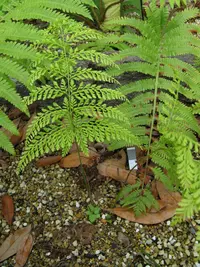
Use Dappled Companions

Plant under open-branched shrubs or small trees that naturally create dappled shade, which helps prevent frond scorch and mimics the filtered woodland light this fern prefers.

Staggered Division

Divide only a small section of the clump every 3–4 years in early spring, keeping divisions with at least 3–4 healthy crowns so the original plant recovers quickly and maintains its arching form.

Frond Clean-Up

Remove winter-damaged or broken fronds at the base in late winter before new croziers unfurl to reduce fungal spore load and keep the emerging growth visible and tidy.

Moisture Check Points

When growing Upside-down Fern in the ground, set simple moisture indicators like small bamboo sticks at the root depth in several spots and check them after dry spells to decide where targeted, deep watering is actually needed.

Common Pests and Diseases

Scale insects

These insects feed on frond sap, causing yellowing, speckling, and gradual weakening of the plant, especially on sheltered, evergreen fronds. Infestations often appear as small, brown or tan bumps along stems and the underside of leaflets.

Solution

Remove heavily infested fronds and gently scrape or wipe remaining scales with a cotton pad dipped in insecticidal soap or horticultural oil, taking care to reach the undersides of rachises and leaflets. Improve air movement around the plant and repeat treatments every 7–10 days until new growth appears clean, which supports long-term Arachniodes standishii plant care.

Fern aphids

These insects cluster on tender new fronds and pinnae, causing distortion, stunting, and sticky honeydew that can encourage sooty mold growth. Populations often build up in cool, moist, sheltered sites where this fern is typically grown.

Solution

Rinse fronds thoroughly with a strong but gentle stream of water to dislodge aphids, then apply insecticidal soap to the growing tips and undersides of fronds. Reduce dense overhead cover slightly to improve airflow, and check emerging fronds regularly so small colonies are removed before they spread.

Fern scale (soft scale)

This pest forms soft, dome-shaped scales along the midribs and underside of fronds, leading to yellow mottling and reduced vigor in established clumps. Honeydew excreted by the insects can attract ants and encourage black sooty mold on the glossy foliage.

Solution

Prune out and dispose of the worst-affected fronds, then treat remaining foliage with a light application of horticultural oil, ensuring complete coverage of leaf undersides and stems. Inspect plants monthly, especially in late spring and summer, and remove any new scales by hand before they become numerous.

Rhizoctonia leaf spot

This disease causes irregular tan to brown spots with darker margins on pinnae, sometimes merging into larger dead patches along the fronds. Symptoms include premature browning on older fronds in dense, poorly ventilated shade beds.

Solution

Cut off and discard affected fronds to remove infected tissue, then thin surrounding vegetation and space plants to improve air circulation and faster drying of foliage. Avoid overhead watering, and in persistent cases apply a fern-safe fungicide labeled for Rhizoctonia, focusing on new growth and the crown area.

Anthracnose

This disease produces dark, sunken lesions along the edges and tips of fronds, which may cause spotting, tip dieback, and ragged-looking foliage in humid, shaded plantings. Symptoms include slow thinning of the clump when infections recur on new fronds each season.

Solution

Remove and destroy infected fronds promptly, cleaning tools between cuts, and reduce leaf wetness by watering at soil level rather than from above. Increase spacing between plants and, in wet seasons or chronic cases, use a labeled ornamental fern fungicide as a protective spray on young unfolding fronds before warm, humid weather.

Interesting Facts

Spider-like frond pattern

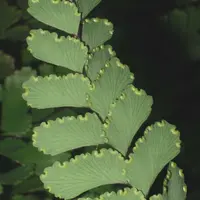
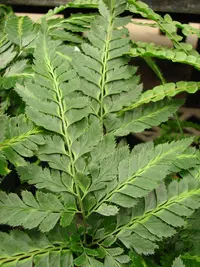
The fronds form a distinctive layered pattern where each leaflet is attached by a short, angled stalk, giving a spider-leg look that inspired the common name upside-down fern. This arrangement creates a flat yet intricately textured frond surface that is easy to distinguish from many other woodland ferns.

Japanese woodland native

This species is naturally found in cool, moist forests of Japan, often growing on shaded slopes and ravine banks. Its preference for humus-rich, consistently moist soil reflects the leaf-littered forest floors where it evolved.

Semi-evergreen habit

In mild climates it often keeps much of its foliage through winter, dropping only the oldest fronds, while in colder regions it can behave more deciduous and regrow fully from the rhizome in spring. This flexible strategy helps it cope with varying winter conditions across its range and in cultivation.

Botan icon

Did you know?

In traditional Japanese gardens, this fern has been valued for centuries as an understory plant in shaded courtyard and woodland-style plantings, where its finely divided fronds are used to create visual depth and a calm, mosslike ground layer around stones, paths, and water features.

FAQs about Upside-down Fern

Brown tips or fronds usually result from low humidity, irregular watering, or excess fertilizer salts. Improve ambient humidity, keep the root zone evenly moist but not saturated, and flush the potting mix occasionally to remove accumulated salts.

Grow Healthy Plants with Botan Care

Keep your plants happy and healthy with plant identification, disease detection, and easy care guidance.

Botan plant care app — identify plants on mobile

Explore More Plants