mother shield-fern Care (Polystichum proliferum)

mother shield-fern

About mother shield-fern

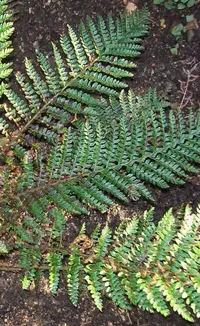
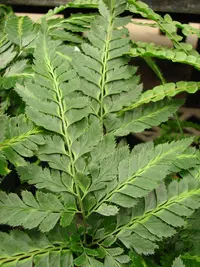
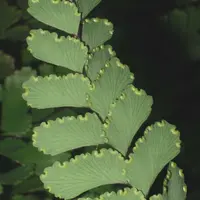
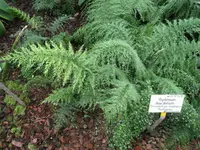
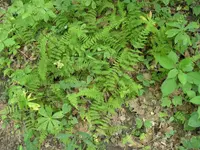
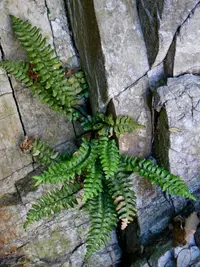
Mother shield-fern (Polystichum proliferum) is an evergreen fern valued for its dense, arching fronds and tidy, clumping habit. It forms layered rosettes that create a lush, textured groundcover or underplanting.

This species is native to cool, moist forests of southeastern Australia and Tasmania, where it grows on slopes, banks, and woodland floors. Its ability to produce small plantlets along the fronds makes it easy to slowly spread and fill shaded spaces.

Mother shield-fern suits temperate gardens and sheltered patios, and can be grown in containers in cooler, shaded positions. For those learning how to care for mother shield-fern, its preference for consistent moisture, humus-rich soil, and protection from hot, direct sun is the main consideration.


Main Plant Requirements

Care Difficulty

Moderate Care

Light Preference

Partial Shade

Water Requirements

Keep Soil Moist

Temperature Preference

Cool Climate

Hardiness Zone

7–9

Soil Texture

Loamy, Peaty, Organic-rich

Soil pH

Acidic (5.5–6.5), Slightly acidic (6.5–7.0)

Soil Drainage

Moist but well-drained

Fertilization

Minimal (feed rarely)

Get Personalized Care Plan

Scan your plant to receive care tips personalized for your specific plant

Available on iOS and Android

How to Care for the mother shield-fern

This fern thrives in cool, shaded conditions that mimic forest understory light.

  • Provide bright shade or dappled light, such as under high tree cover or on the east side of a building with 1–3 hours of early morning sun.
  • Avoid direct midday and afternoon sun; leaves scorch and bleach if exposed to strong sun for several days, especially in summer.
  • In hotter months, increase shade and mulch around the base, while in winter ensure mother shield-fern still receives indirect daylight for 4–6 hours.

This fern prefers consistently moist but not saturated soil.

  • Water when the top 2–3 cm of soil feel slightly dry, aiming to keep the root zone evenly damp rather than wet.
  • Use rich, well-drained soil or a loamy garden bed so excess water can drain; yellowing, soft fronds indicate overwatering or waterlogged roots.
  • In cool seasons reduce frequency but do not let the soil fully dry; crisp, browning frond tips signal underwatering and the need for deeper soakings.

This fern is cool-temperate and tolerates a wide range of outdoor conditions.

  • Optimal growth occurs around 50–75°F (10–24°C), where fronds stay lush and new growth appears steadily through the growing season.
  • Polystichum proliferum typically survives short dips to about 15–20°F (-9 to -6°C) once established, though young plants benefit from winter mulch for root insulation.
  • In hot weather above 85°F (29°C), provide extra shade, thick organic mulch, and consistent moisture to prevent heat stress and frond scorch.

This fern prefers consistently moist air but adapts to typical home humidity if soil moisture is stable.

  • Aim for 50–70% humidity to keep fronds lush and reduce browning tips.
  • Tolerates brief drier indoor air, but prolonged <40% humidity can cause crisped frond edges and slowed growth in mother shield-fern.
  • Increase humidity with grouped plants, a pebble tray under the pot, or a nearby humidifier rather than misting fronds directly.

This fern performs best in loose, humus-rich soil that stays evenly moist yet drains freely.

  • Use a mix of 50–60% peat or coco coir, 20–30% compost, and 20–30% perlite or fine bark for Polystichum proliferum.
  • Choose a loamy, crumbly texture that holds moisture but does not clump or smear when squeezed.
  • Aim for slightly acidic to neutral pH, around 5.5–7.0, to support nutrient availability and healthy root growth.
  • Avoid heavy clay, compacted soil, or mixes with large amounts of unamended garden soil that slow drainage and reduce aeration.

This species grows reliably in containers when moisture and stability are managed carefully.

  • Select a wide, relatively shallow pot to accommodate its spreading crown and surface roots without excess, soggy depth.
  • Use a heavier material such as ceramic to prevent wind tipping as fronds lengthen and add leverage.
  • Line the bottom with a thin layer of coarse bark within the mix, not as a false drainage layer, to keep lower roots from sitting in stale water.

Polystichum proliferum is a modest feeder that benefits from light, consistent nutrition during active growth.

  • Use a balanced, dilute liquid fertilizer (around 10-10-10 or 20-20-20 at 1/4–1/2 strength) every 4–6 weeks in spring and summer.
  • Alternatively, top-dress with a thin layer of finished compost once in spring to feed slowly and improve soil structure.
  • Stop feeding in late fall and winter when growth slows, to avoid weak, soft fronds and salt buildup.
  • Flush containers with plain water a few times each season to reduce excess fertilizer salts around the roots.

Pruning for Polystichum proliferum focuses on hygiene and maintaining a tidy, balanced clump.

  • Best time for larger clean-ups is late winter to early spring, before fresh fronds unfurl.
  • Use clean, sharp scissors or pruners to remove dead, yellowing, or diseased fronds at the base.
  • Thin out badly crowded or crossing fronds to improve air flow and preserve the plant’s natural arching form.
  • Avoid cutting healthy green fronds hard, since they support energy production and overall vigor.

Mother shield-fern is usually grown in the ground, but container plants or congested clumps benefit from occasional transplanting.

  • Look for roots circling the pot, very slow growth, or water running straight through as signs it needs more space.
  • Plan repotting or lifting and transplanting for early spring or early fall, when temperatures are mild and moisture is reliable.
  • Expect to move container plants to a 2–5 cm wider pot every 2–3 years, using a moisture-retentive, well-drained mix rich in organic matter.
  • Handle the root ball gently, keep roots shaded, water thoroughly after planting, and maintain even moisture for several weeks to limit stress.

Polystichum proliferum is most commonly propagated by division or by planting its small proliferous plantlets.

  • Divide mature clumps in early spring or early fall, lifting and splitting the crown into sections with healthy fronds and firm roots.
  • Replant divisions at the same depth in moist, humus-rich soil and keep evenly watered until strong new growth appears.
  • Detach rooted plantlets that form along fronds, then pot them into small containers with fine, moisture-retentive mix.
  • Maintain high humidity, indirect light, and consistent moisture while new roots establish, avoiding waterlogging.

This fern is generally cold hardy in temperate climates and needs only modest winter care in the ground.

  • Tolerates light to moderate frost once established, especially in sheltered, shaded sites.
  • Apply a 5–8 cm layer of leaf mold or bark mulch around the root zone in late fall, keeping it off the crowns.
  • Leave most green fronds over winter to shield crowns, removing them in late winter if they become tattered.
  • Move container-grown plants into a frost-free, cool, bright spot or against a protected wall during severe freezes.

Care Tips

Frond layering

Peg or pin low, outer fronds to the soil surface so the small plantlets at their tips can root, then sever and transplant them once they have several firm fronds and a small root ball to expand a mature-looking clump quickly when growing mother shield-fern.

Wind and snow protection

In exposed gardens, place low, breathable barriers such as shrub branches or shade cloth windbreaks around the plant in winter to prevent frond snapping and crown heaving from strong wind or wet snow loads.

Crown mulching

Apply a 3–5 cm ring of fine, leaf-based mulch around but not over the central crown to keep roots cool, maintain even moisture, and protect emerging croziers from splashing soil that can harbor fungal spores.

Frond hygiene checks

Inspect the inner fronds and crown several times each season, removing lodged leaves and debris by hand to improve air movement and reduce the risk of scale insects, slugs, and rot starting in the dense center.

Dividing large clumps

Every 5–7 years, lift and divide overgrown clumps in early spring, cutting the rhizome into several firm sections with healthy buds and replanting them at the same depth to rejuvenate growth and maintain a balanced, upright habit.

Common Pests and Diseases

Scale insects

These insects suck sap from fronds and stipes, causing yellowing, localized leaf drop, and a sticky residue on the foliage. Symptoms include small dome-shaped bumps tightly attached along the midribs and lower frond surfaces.

Solution

Gently wipe or scrape scales off with a cotton swab dipped in isopropyl alcohol, then rinse fronds with lukewarm water. For heavier infestations, use a horticultural oil spray labeled safe for ferns, applied thoroughly to both frond surfaces and repeated after 7–10 days while improving airflow and avoiding excess nitrogen fertiliser.

Fern aphids

These insects cluster on tender new croziers and frond tips, causing distortion, stunting, and sticky honeydew that can lead to black sooty growth. Symptoms include curled or misshapen new fronds and visible soft-bodied insects on the undersides.

Solution

Dislodge aphids with a firm stream of water, focusing on new growth and frond undersides. For persistent colonies, apply an insecticidal soap registered for use on ferns, spraying in the early morning and repeating weekly until new growth appears clean.

Rhizoctonia blight

This disease affects the crown and lower fronds, leading to brown, water-soaked lesions that spread along the rachis and cause sections of the fern to collapse. Symptoms include patchy dieback from the base upward, often in humid, poorly ventilated positions or crowded plantings.

Solution

Remove and dispose of affected fronds and any soft or discolored crown tissue, then improve drainage, spacing, and air movement around the plant. In high-value or repeatedly affected plantings, a fungicide containing azoxystrobin or similar chemistry can be used according to label directions, combined with reduced overhead watering and avoiding waterlogged soil.

Leaf spot complex

This disease appears as scattered brown or purple-brown spots on the pinnae that may coalesce into irregular blotches, especially on older or lower fronds in damp, shaded conditions. Symptoms include premature browning and loss of affected fronds while new fronds often remain green.

Solution

Prune and discard heavily spotted fronds to reduce inoculum, cutting back to healthy tissue and keeping the crown intact. Water at soil level rather than over the foliage, increase spacing for better airflow, and in nursery or collection settings use a fern-safe fungicide labeled for foliar leaf spots if cultural changes do not halt progression.

Interesting Facts

Clonal baby plantlets

This fern regularly forms small plantlets at the tips of its fronds, which bend down and root into the soil, creating natural clones and dense, spreading clumps.

Coastal wind specialist

It is native to cool, moist coastal and montane regions of southeastern Australia and Tasmania, where its tough, leathery fronds tolerate wind exposure better than many other ferns.

Shelter for forest fauna

Large, arching fronds and persistent leaf bases provide cover and microhabitats for small invertebrates and ground-dwelling animals in its native understorey ecosystems.

Botan icon

Did you know?

The distinctive ladder-like arrangement of its fronds, produced as successive plantlets root and form new crowns, has given rise to the common name mother shield-fern and makes it one of the most visually recognizable members of the genus Polystichum in southeastern Australia.

FAQs about mother shield-fern

This fern does not bloom at all. It is a spore-producing plant, so it never forms flowers or seeds. Brown dots or lines on the frond undersides are sori, which hold spores for reproduction.

Grow Healthy Plants with Botan Care

Keep your plants happy and healthy with plant identification, disease detection, and easy care guidance.

Botan plant care app — identify plants on mobile

Explore More Plants