simpler hollyfern Care (Arachniodes simplicior)

Also known as: East Indian holly fern
simpler hollyfern

About simpler hollyfern

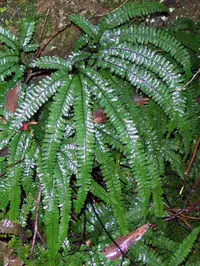
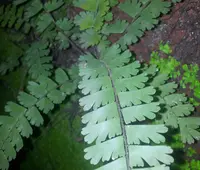
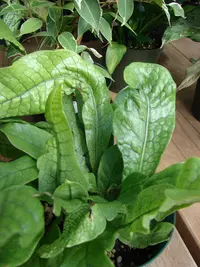
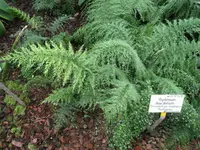
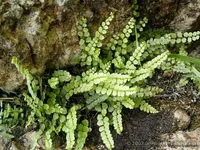
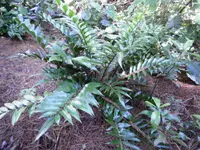
Simpler hollyfern, Arachniodes simplicior, is an evergreen fern valued for its glossy, arching fronds and compact, clumping habit. It brings a refined, woodland look to shaded spaces. Native to East Asian forests, it typically grows on moist, well-drained soils rich in organic matter, often under tree canopies. This background makes it well suited to protected garden beds and indoor spots with stable conditions. The plant is considered moderately easy to grow when its need for consistent moisture and shade is respected. It prefers indirect light, even humidity, and shelter from harsh sun or drying drafts, which guides how to care for simpler hollyfern.

Main Plant Requirements

Care Difficulty

Moderate Care

Light Preference

Partial Shade

Water Requirements

Keep Soil Moist

Temperature Preference

Cool Climate

Hardiness Zone

6–9

Soil Texture

Loamy, Peaty, Organic-rich

Soil pH

Acidic (5.5–6.5), Slightly acidic (6.5–7.0)

Soil Drainage

Moist but well-drained

Fertilization

Light (every 4–6 weeks)

Get Personalized Care Plan

Scan your plant to receive care tips personalized for your specific plant

Available on iOS and Android

How to Care for the simpler hollyfern

This woodland fern prefers soft, indirect light that mimics a forest understory.

  • Provide 2–4 hours of gentle morning sun with bright, dappled or filtered shade the rest of the day, especially in warmer regions.
  • Simpler hollyfern tolerates full shade, but fronds may grow thinner and less dense if light stays very low, especially under dense tree canopies.
  • Avoid strong midday and afternoon sun, which can scorch fronds; in summer, shift pots or add shade, while in winter allow slightly brighter exposure.

This fern needs consistently moist but not waterlogged soil to stay healthy.

  • Water when the top 1–2 cm of soil feels slightly dry, aiming to keep the root zone evenly damp rather than wet.
  • Use a rich, humus-based soil with good drainage so water passes through within a few seconds and does not pool around the rhizomes.
  • Reduce watering slightly in cooler months, watching for limp, curling fronds as a sign of underwatering and black, mushy bases as a sign of overwatering in Arachniodes simplicior.

This species prefers cool to mild temperatures typical of sheltered woodland conditions.

  • Aim for active growth in 55–75°F (13–24°C), where fronds stay firm and color remains deep green.
  • The plant tolerates brief drops to about 20–25°F (-6 to -4°C) once established, but repeated hard freezes without mulch can damage crowns.
  • In hot spells above 85°F (29°C), give extra shade and moisture, as prolonged heat and dry air can cause frond tip scorch and early frond drop.

This fern prefers consistently moist air and reacts quickly to very dry conditions.

  • Aim for 50–70% humidity for stable fronds and even growth.
  • In dry indoor air, frond tips brown and edges crisp, especially near heaters or strong drafts.
  • Increase humidity with a nearby tray of wet pebbles, grouping plants, or a cool-mist humidifier, which suits simpler hollyfern well.

This fern prefers loose, humus-rich soil that holds moisture yet drains freely.

  • Use a mix of 50–60% peat or coco coir, 20–30% compost, and 20–30% perlite or fine bark for Arachniodes simplicior.
  • Aim for slightly acidic to neutral pH, roughly 5.5–7.0, to support nutrient uptake and root activity.
  • Ensure the mix is crumbly and not compacted; incorporate fine bark to keep pore spaces open for air movement.
  • Avoid heavy clay, unamended garden soil, or mixes that stay waterlogged, which promote root and rhizome rot.

This species is well suited to container growing, both outdoors in shade and in sheltered patios.

  • Choose a wide, relatively shallow pot to match its spreading rhizomes and prevent wasted depth that stays overly wet.
  • Use a slightly heavier container material, like ceramic, to stabilize the arching fronds against wind or accidental bumps.
  • Set the container on pot feet or bricks so drainage holes stay clear and excess water escapes rapidly after rainfall or watering.

This fern grows steadily with light feeding rather than heavy fertilization.

  • Use a balanced liquid fertilizer (around 10-10-10) at 1/4–1/2 strength every 4–6 weeks in spring and summer for simpler hollyfern in pots.
  • Apply a thin layer of compost around outdoor plants once each spring, keeping it off the crown.
  • Skip feeding in fall and winter when growth slows to prevent soft, weak fronds.
  • Choose slow-release pellets only for very nutrient-poor mixes, and follow label rates carefully.

Pruning Arachniodes simplicior focuses on hygiene and keeping the clump tidy.

  • Best time is late winter to early spring before new fronds unfurl, with light cleanup anytime.
  • Remove dead, yellowing, diseased, or storm-damaged fronds at the base using clean, sharp scissors or pruners.
  • Thin a few crowded older fronds from the center to improve airflow and maintain an even arching shape.
  • Avoid cutting healthy fronds mid-blade, as this leaves brown tips and reduces photosynthesis.

This fern prefers stable conditions and only occasional repotting or transplanting.

  • Check for roots circling the pot, pushing out of drainage holes, or noticeably slower growth as signals to repot.
  • Plan repotting or outdoor transplanting in early spring so roots can re-establish through the growing season.
  • Move up just 1 pot size every 2–3 years, using a moisture-retentive, well-drained mix with added organic matter.
  • Handle the root ball gently, keep it at the same soil depth, water thoroughly, and shade for 1–2 weeks to limit stress.

New plants are most reliable from division of established clumps rather than spores.

  • Use division in early spring as new croziers (coiled fronds) emerge and the plant is actively growing.
  • Lift the clump, then split into sections with several healthy fronds and firm rhizomes using a clean knife or spade.
  • Replant divisions at original depth in moist, humus-rich soil and keep evenly damp, not waterlogged.
  • Maintain bright, indirect light and high humidity until strong new fronds appear, then resume normal care.

This fern is fairly cold hardy but benefits from simple winter protection in colder regions.

  • In-ground plants in mild climates generally overwinter without special care down to light frosts.
  • In colder areas, apply a 5–8 cm layer of leaf mold or bark mulch around the root zone, not over the crown.
  • Move containers into a sheltered, frost-free spot with cool, bright shade when temperatures drop below about 25°F.

Care Tips

Use wider pots

Choose a shallow, wider pot rather than a deep, narrow one so the rhizomes can spread horizontally, and rotate the container 90° every month for even frond development.

Mulch the surface

Apply a 1–2 cm layer of fine bark or leaf mold on top of the soil to keep the root zone cool and stable, mimicking the natural forest litter layer and reducing moisture swings.

Stage with companion shade

If the site is slightly brighter than ideal, position this fern behind or beside taller shade plants so their foliage filters light and protects new fronds from stress.

Frond grooming routine

Inspect and remove yellowing, damaged, or distorted fronds at the base every 4–6 weeks to improve air movement through the clump and lower the risk of fungal spotting.

Cool roots in heat

In hot spells, protect the root zone by grouping pots together, moving them away from heat-reflective surfaces, and briefly misting the surrounding hardscape rather than the fronds to keep the microclimate suitable for growing simpler hollyfern.

Common Pests and Diseases

Scale insects

This pest attaches firmly to fronds and stems, sucking sap and causing yellowing, weak growth, and sticky honeydew on foliage. Symptoms include small, dome-shaped bumps that are hard to remove with simple rinsing.

Solution

Isolate the plant, then gently scrape or wipe scale off with a cotton swab dipped in 70% isopropyl alcohol, repeating weekly until no new insects appear. Improve air circulation around the fern and, if the infestation is more extensive, use a light horticultural oil spray labeled for ferns, applied according to instructions and kept off very young fronds.

Fern aphids

These insects cluster on soft new fronds and undersides of leaflets, feeding on sap and causing distortion, curling, or pale patches. Sticky honeydew and sooty black mold may appear on the foliage beneath infested areas.

Solution

Rinse the plant thoroughly with a gentle but firm stream of water, focusing on new growth and leaflet undersides, and repeat every few days until numbers drop. For persistent colonies, apply an insecticidal soap labeled for ornamental ferns, ensuring full coverage and avoiding use in direct sun or on water-stressed plants.

Foliar leaf spot

This disease causes small brown, tan, or dark purple spots on pinnae that may enlarge and merge, leading to patchy or tattered fronds. Symptoms include more rapid spread in warm, humid, poorly ventilated conditions, especially when fronds stay wet for long periods.

Solution

Remove and discard affected fronds, then water at the soil level to keep foliage dry and increase spacing and airflow around the plant. If spotting continues to spread, use a fungicide labeled for ornamental ferns and leaf spot, and avoid overhead watering or frequent misting directly on fronds.

Powdery mildew

This disease produces a fine white or gray powdery coating on frond surfaces, which can dull the rich green color and gradually reduce vigor. Symptoms include slow growth and a slightly distorted or stiff appearance of affected pinnae.

Solution

Increase air circulation, reduce crowding, and avoid large swings between cool nights and warm, still daytime air that favor this fungus. Wipe or rinse lightly affected fronds, then apply a low-toxicity fungicide or a horticultural sulfur product suitable for ferns, following label directions and testing on a small area first.

Interesting Facts

Naturally variegated fronds

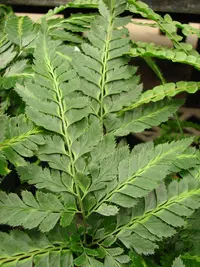
This species produces stable, genetic variegation with creamy central bands on otherwise deep green pinnae, rather than irregular blotches seen in many variegated plants. The variegation pattern tends to be symmetrical along the frond, making it useful for studying consistent variegation expression in ferns.

Creeping, clumping habit

It forms a slowly spreading, creeping rhizome that creates tight clumps rather than running aggressively. This growth pattern allows it to persist for many years in the same shaded woodland niche with limited disturbance to neighboring plants.

East Asian woodland origin

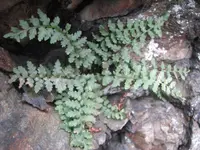
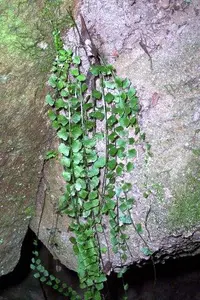
The species is native to cool, moist forests of East Asia, including parts of Japan and China, where it grows on humus-rich slopes and among rocks. Its natural habitat under dense tree canopies has shaped its preference for shade and evenly cool conditions.

FAQs about simpler hollyfern

Yellowing fronds usually result from overwatering, poor drainage, or natural aging of older leaves. Check for soggy soil and improve aeration. Remove old fronds at the base so the plant can focus energy on new growth.

Grow Healthy Plants with Botan Care

Keep your plants happy and healthy with plant identification, disease detection, and easy care guidance.

Botan plant care app — identify plants on mobile

Explore More Plants