Shining Spleenwort Care (Asplenium oblongifolium)

Shining Spleenwort

About Shining Spleenwort

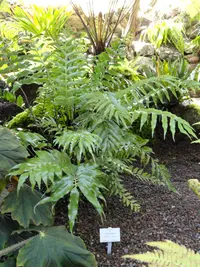
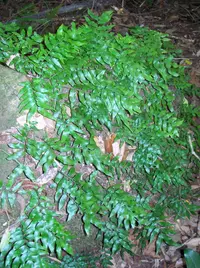
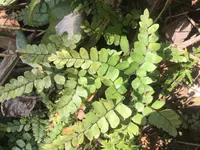
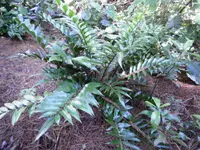
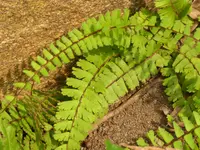
Shining spleenwort, Asplenium oblongifolium, is an evergreen fern valued for its fresh green, slightly glossy fronds and tidy clumping habit. It usually forms an upright to arching rosette, giving a soft, layered look that suits shaded borders and indoor displays.

This fern is native to New Zealand, where it grows in moist forests, rocky crevices, and coastal areas, often in cool, humid conditions. It is moderately easy to grow if its basic needs are met, but it dislikes drying out and harsh sun, so understanding how to care for Shining Spleenwort is important.

It generally prefers bright, indirect light, steady moisture, and a well-drained, humus-rich substrate that stays slightly damp but not waterlogged.

Main Plant Requirements

Care Difficulty

Moderate Care

Light Preference

Partial Shade

Water Requirements

Keep Soil Moist

Temperature Preference

Warm Climate

Hardiness Zone

9–11

Soil Texture

Loamy, Peaty, Organic-rich

Soil pH

Acidic (5.5–6.5), Slightly acidic (6.5–7.0)

Soil Drainage

Moist but well-drained

Fertilization

Light (every 4–6 weeks)

Get Personalized Care Plan

Scan your plant to receive care tips personalized for your specific plant

Available on iOS and Android

How to Care for the Shining Spleenwort

This fern prefers soft, filtered light similar to a bright forest floor.

  • Provide 2–4 hours of gentle morning sun or bright, dappled light; avoid harsh midday and afternoon sun that can scorch fronds.
  • Shining Spleenwort grows best in partial shade, such as an east-facing spot or under open tree canopy with moving shade.
  • In summer, increase shade or add light filtering if fronds yellow or crisp; in winter, allow slightly more indirect light to compensate for shorter days.

Asplenium oblongifolium prefers evenly moist, never waterlogged soil.

  • Water when the top 2–3 cm of soil feel just barely dry, aiming for consistently damp soil around the roots, not soggy.
  • Use well-drained, humus-rich soil so excess water can escape; yellowing, limp fronds often indicate overwatering and poor drainage.
  • Reduce watering in cooler months when growth slows, but do not let the root zone fully dry; crisp, browning frond tips suggest underwatering.

This fern thrives in mild, frost-free conditions with stable temperatures.

  • Ideal growth occurs around 60–75°F (16–24°C), similar to cool coastal or sheltered woodland climates.
  • Protect from frost; foliage is usually damaged below about 30°F (-1°C), and the plant may die back if exposed to repeated freezes.
  • Tolerates short heat spells up to about 85°F (29°C) if shaded and kept moist, but prolonged heat and dry air can stress fronds and slow growth.

This fern prefers consistently moist air similar to a mild rainforest environment.

  • Aim for 60–80% humidity, as Shining Spleenwort dries out and browns at the frond tips in drier rooms.
  • Watch for crisping edges, slowed frond expansion, and persistent curling as signs of humidity stress rather than underwatering.
  • Increase humidity with a nearby humidifier, grouped plants, and a wide pebble tray under the pot, not by misting alone.

This fern needs a loose, moisture-retentive yet free-draining mix rich in organic matter.

  • Use a mix of 50–60% fine pine bark or coco coir, 20–30% compost, and 10–20% perlite for Asplenium oblongifolium.
  • Aim for slightly acidic to neutral pH, roughly 5.5–7.0, which supports nutrient uptake and healthy root growth.
  • Ensure the mix feels springy and crumbly, not compacted, to keep air spaces around the roots and prevent stagnation.
  • Avoid heavy clay, pure garden soil, or peat compressed into a dense plug, which encourages rot and poor aeration.

This species is well suited to container culture both indoors and in sheltered outdoor spots.

  • Choose a pot slightly wider than the root ball with moderate depth so the shallow roots can spread horizontally without crowding.
  • Select heavier ceramic or clay containers outdoors to reduce tipping risk as the fronds arch and catch wind.
  • Line the lower third of the pot with coarse bark-based mix rather than stones to keep drainage fast while maintaining root aeration.

This fern benefits from light feeding but Shining Spleenwort is sensitive to excess nutrients.

  • Use a balanced liquid fertilizer (such as 10-10-10) diluted to 1/4–1/2 strength for container-grown plants.
  • Feed every 4–6 weeks during spring and summer when growth is active.
  • Skip or greatly reduce fertilization in fall and winter when growth slows.
  • Organic compost or a mild slow-release fern fertilizer can be mixed sparingly into the potting mix at the start of the growing season.

Pruning needs for Asplenium oblongifolium are minimal and focus on hygiene rather than shaping.

  • Best time is late winter to early spring, or whenever damaged fronds appear.
  • Remove dead, yellowing, or diseased fronds at the base with clean, sharp scissors or pruners.
  • Thin out badly crowded or overlapping fronds to improve air circulation and reduce fungal risk.
  • Avoid heavy cutting into the central crown, as this slows new frond production and can stress the plant.

This fern prefers stable conditions, so repotting or transplanting should be done only when clearly needed.

  • Check for roots circling the pot, pushing through drainage holes, or very slow growth as signs it needs more space.
  • Plan repotting for spring, about every 2–3 years, when new fronds start to emerge.
  • Move up only 1 pot size, using a loose, moisture-retentive, well-drained mix to limit shock.
  • Keep roots just firm, not tightly compacted, water thoroughly, then maintain steady moisture and shade for 1–2 weeks to reduce stress.

Asplenium oblongifolium is usually propagated by division and is slower to increase than many other ferns.

  • Divide established clumps in early spring when new growth begins, choosing healthy, vigorous plants.
  • Lift the plant carefully and separate the root mass into sections, each with several fronds and a good portion of rhizome.
  • Plant divisions into small pots with a moist, airy fern mix and keep in bright, indirect light.
  • Maintain high humidity (50–70%) and consistently damp, not waterlogged, soil to support rooting and recovery.

This fern is moderately cold tolerant but benefits from some winter protection in colder regions.

  • In-ground plants in mild climates tolerate light frost but appreciate a 5–8 cm mulch layer around the root zone.
  • Avoid letting the crown sit in cold, waterlogged soil, which increases rot risk.
  • Move container plants indoors or to a sheltered porch when temperatures approach 32°F.
  • Keep indoor plants in cool, bright, frost-free conditions and reduce watering so the mix stays slightly moist, not wet.

Care Tips

Cool root zone

Use a heavier, unglazed clay pot and top-dress the soil with a thin layer of fine bark to keep the root zone slightly cooler and more stable in temperature, which reduces stress in warm indoor rooms.

Frond support check

Inspect long arching fronds every few weeks and rotate the pot so new growth leans into open space, or raise the plant slightly so fronds can drape naturally without kinking against shelves or window frames.

Gentle frond cleaning

Use a soft artist’s brush or a handheld air blower on low to remove dust from the fronds instead of wiping, since their delicate surface bruises easily and damage can invite fungal spots.

Pot weight management

If the plant is grown in a hanging basket or on a high shelf, choose a lightweight plastic inner pot slipped into a decorative cachepot to limit overall weight while still allowing you to lift and check the root zone when caring for Shining Spleenwort.

Seasonal airflow tweak

In winter, move the plant slightly farther from heating vents and use a small fan set on low and indirect to keep gentle air movement around the fronds, which lowers the risk of fungal disease without drying the plant out excessively.

Common Pests and Diseases

Scale insects

This pest attaches to frond midribs and undersides, appearing as small brown or tan bumps and causing yellowing, sticky fronds, and poor growth.

Solution

Wipe fronds and midribs gently with a soft cloth dipped in diluted insecticidal soap, then rinse with lukewarm water; repeat weekly until no new insects appear and isolate severely infested plants to prevent spread.

Mealybugs

These insects hide in frond bases and along the rachis, forming white cottony clusters that stunt new fronds and cause leaf distortion.

Solution

Remove visible clusters with a cotton swab dipped in isopropyl alcohol, then shower the plant with lukewarm water; repeat inspections weekly and use a mild, fern-safe insecticidal soap if new insects continue to appear.

Aphids

These insects feed on tender young fronds and unfurling croziers, leading to distorted growth, sticky honeydew, and sooty mold on the foliage.

Solution

Rinse affected fronds thoroughly under a gentle stream of water, removing as many insects as possible, then apply a diluted insecticidal soap to the undersides of fronds and repeat every 5–7 days until populations are controlled.

Leaf spot

This disease causes small dark brown or black spots on fronds that may merge into irregular patches, especially in humid, poorly ventilated conditions.

Solution

Remove and discard affected fronds, avoid overhead watering, and increase air movement around the plant; keep foliage dry and use a fern-safe fungicide only if new spots continue to develop under improved conditions.

Bacterial blight

Symptoms include water-soaked, translucent patches on fronds that turn dark and may spread rapidly along the blade, often starting at damaged areas or where water sits on the leaf surface.

Solution

Immediately remove and discard infected fronds, avoid splashing water on the foliage, increase airflow, and keep humidity moderate; sterilize cutting tools between plants and avoid crowding to reduce the chance of further spread when growing Shining Spleenwort indoors.

Interesting Facts

New Zealand coastal specialist

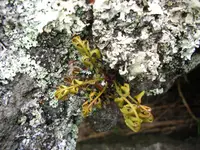
This fern is naturally found in New Zealand and nearby islands, where it grows on coastal cliffs, forest rocks, and sometimes as an epiphyte on tree trunks, tolerating salt-laden winds better than many other ferns.

Shiny arching fronds

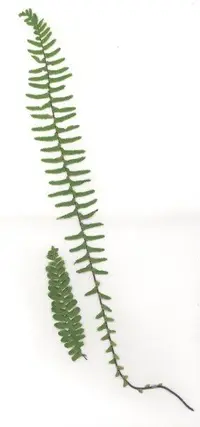
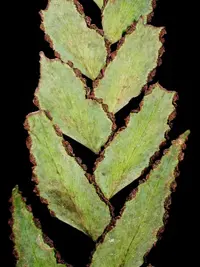
It is known for its glossy, dark green fronds that can arch up to around 60 cm, with narrow, oblong leaflets that give the plant a distinctly sleek, upright fountain shape compared to many softer-looking ferns.

Epicuticular shine layer

The characteristic sheen on the fronds comes from a smooth outer cuticle layer that helps reduce water loss and protect the delicate leaf tissues from salt spray and strong light in its native coastal habitats.

Botan icon

Did you know?

In the wild, this species often forms dense clumps on vertical rock faces and cliff ledges, where its roots anchor in narrow crevices and help stabilize small pockets of soil, contributing to the slow development of new coastal microhabitats.

FAQs about Shining Spleenwort

This species forms a clumping, slowly expanding crown rather than running or taking over beds. It spreads gradually via short rhizomes and spore production, so it is generally easy to contain in garden or container settings.

Grow Healthy Plants with Botan Care

Keep your plants happy and healthy with plant identification, disease detection, and easy care guidance.

Botan plant care app — identify plants on mobile

Explore More Plants