ebony spleenwort Care (Asplenium platyneuron)

ebony spleenwort

About ebony spleenwort

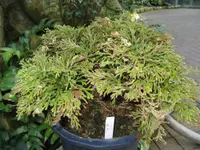
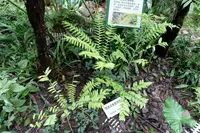
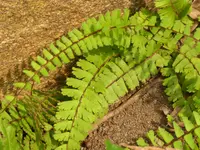
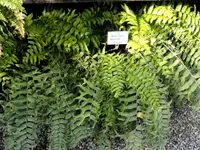
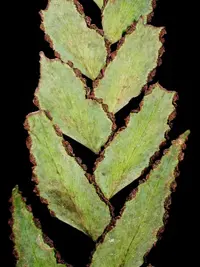
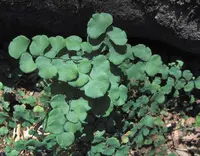
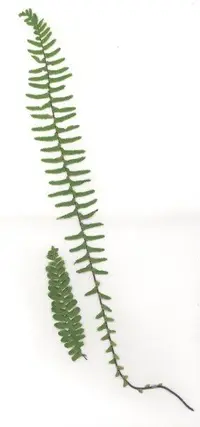
Ebony spleenwort, Asplenium platyneuron, is a small, evergreen fern known for its glossy dark midribs and narrow, evenly spaced leaflets. It forms upright clumps that stay fairly compact and tidy.

This species is native to eastern North America, where it grows on rocky slopes, woodland edges, and well-drained, often acidic soils. Its tough, wiry fronds and adaptable nature make it easier to keep than many delicate ferns.

It prefers filtered light, consistent moisture, and loose, humus-rich soil, but can tolerate some dryness once established. Understanding these habitats helps clarify how to care for ebony spleenwort in gardens and naturalistic plantings.

Main Plant Requirements

Care Difficulty

Moderate Care

Light Preference

Partial Shade

Water Requirements

Keep Soil Moist

Temperature Preference

Cool Climate

Hardiness Zone

3–8

Soil Texture

Loamy, Silty, Organic-rich

Soil pH

Strongly acidic (4.5–5.5), Acidic (5.5–6.5)

Soil Drainage

Moist but well-drained

Fertilization

Minimal (feed rarely)

Get Personalized Care Plan

Scan your plant to receive care tips personalized for your specific plant

Available on iOS and Android

How to Care for the ebony spleenwort

This woodland fern prefers soft, filtered light that mimics a forest understory.

  • Provide 2–4 hours of gentle morning sun with bright, dappled or filtered light the rest of the day; avoid harsh afternoon sun that scorches fronds.
  • Grow in partial to full shade outdoors; ebony spleenwort handles deep shade but fronds become sparse and elongated with too little light.
  • In summer, shield from strong midday sun; in winter, allow a bit more direct morning light if possible to compensate for shorter days.

This fern favors steadily moist but not waterlogged soil.

  • Water when the top 2–3 cm of soil feel slightly dry, aiming to keep the root zone evenly damp rather than cycling between soggy and bone dry.
  • Use humus-rich, well-drained soil; avoid standing water or compacted sites that cause yellowing fronds, blackened roots, or a sour odor from rot.
  • In hot, dry weather, check moisture every 1–2 days for curling or crisping fronds, while in cool seasons extend intervals as soil stays moist longer.

This species is hardy and tolerates a broad temperature range in temperate climates.

  • Optimal active growth occurs around 60–75°F (16–24°C), typical of mild spring and fall conditions in shaded garden sites.
  • Mature plants tolerate drops to about 0–5°F (-18 to -15°C) with mulch or leaf litter, but repeated freeze–thaw cycles can stress crowns.
  • In summer, growth slows above 85°F (29°C); provide shade and consistent moisture during heat waves and avoid planting in heat-reflective, exposed spots.

This fern prefers moderately moist air and reacts if kept too dry for long.

  • Target 50–70% humidity, especially for ebony spleenwort grown indoors or in heated homes.
  • Expect tolerance of brief drier spells, but frond tips may brown and curl if air stays below ~40%.
  • Increase humidity with a nearby pebble tray or clustered plants rather than misting, which adds only short-lived moisture.

This fern does best in loose, humus-rich soil that mimics a woodland floor.

  • Use a mix of 2 parts peat-free compost, 1 part fine bark, and 1 part perlite for a springy, fibrous texture.
  • Ensure rapid drainage so water moves through in seconds but leaves the mix slightly damp, not soggy.
  • Aim for slightly acidic to neutral pH around 5.5–7.0, which suits Asplenium platyneuron in cultivation.
  • Avoid heavy clay, compacted garden soil, or mixes that stay waterlogged, since low aeration quickly damages roots and rhizomes.

This species adapts well to container cultivation when moisture and drainage are carefully balanced.

  • Choose a pot that is wider than it is deep so the shallow root system can spread without sitting in a water sump.
  • Select unglazed terracotta if the mix tends to stay wet, as its porous walls help wick excess moisture away from the root zone.
  • Stabilize light pots with gravel or stones in the base zone so the fronds cannot tip the container in wind or when bumped.

This fern thrives in relatively lean soils and usually needs only light feeding when grown in pots or very poor garden soil.

  • Use a diluted balanced liquid fertilizer (around 10-10-10) at 1/4–1/2 strength for ebony spleenwort in containers.
  • Feed once every 4–6 weeks during spring and summer if growth appears weak or foliage pale.
  • Avoid fertilizing in fall and winter, when growth slows and roots are less active.
  • Compost or leaf mold incorporated into the soil is often sufficient for long-term nutrition.

Pruning Asplenium platyneuron is minimal and focuses mainly on hygiene rather than shaping.

  • Cut off dead, yellowed, or damaged fronds at the base at any time of year to reduce disease risk.
  • In late winter or early spring, remove winter-burned fronds to make room for fresh growth.
  • Use clean, sharp scissors or pruners to avoid tearing the rhizome or introducing pathogens.
  • Limit pruning to spent fronds so the plant keeps enough foliage for photosynthesis and vigor.

This fern is most often grown in the ground, so attention usually centers on careful transplanting rather than frequent repotting.

  • Transplant in early spring or early fall, when temperatures are mild and soil stays evenly moist.
  • Move plants only when clumps are crowded, declining, or when roots circle a container and growth slows.
  • Lift with a generous soil ball, disturbing roots as little as possible to reduce transplant shock.
  • Replant at the same depth in shaded, humus-rich soil, then water well and keep evenly moist for several weeks.

Propagation of Asplenium platyneuron is possible but slower than many garden perennials, and usually done by division or spores.

  • Divide small clumps in early spring, ensuring each division has healthy roots and several fronds.
  • Replant divisions into moist, humus-rich, shaded soil and keep humidity high until established.
  • For spore propagation, collect ripe brown sori on the frond underside and sow on sterile, moist medium.
  • Maintain consistently high humidity, low air movement, and indirect light, as spores and young ferns are delicate.

This species is quite cold hardy in much of its range and typically needs little special winter care in the ground.

  • In colder zones, apply a 2–5 cm layer of leaf mulch around the root zone after soil cools.
  • Allow older fronds to die back naturally; they can help insulate the crown.
  • Container plants in regions below about 0°F are best overwintered in a cool, frost-free, bright location.

Care Tips

Shallow Planting Depth

Set the root crown just at or slightly above the soil surface so the wiry rhizome does not stay buried and prone to rot, especially in heavier woodland soils.

Leaf Litter Mulch

Use a thin layer of shredded leaves or pine needles around the plant to mimic woodland duff, keeping the mulch off the crown to reduce fungal issues while preserving soil moisture.

Natural Colony Expansion

Allow a few fertile fronds to remain and shed spores onto nearby shaded soil so the fern can slowly form a natural-looking colony instead of staying as a single specimen.

Container Renewal Cycle

In pots, plan to refresh the substrate every 2–3 years by gently dividing and replanting the healthiest crowns into fresh mix, which maintains vigor and supports long-term ebony spleenwort indoor care.

Summer Stress Reduction

During hot, dry spells, provide temporary shade cloth or move containers to a cooler, north-facing exposure to reduce heat stress and prevent frond crisping on this typically cool-woodland species.

Common Pests and Diseases

Scale insects

These insects attach to fronds and stipes, sucking sap and causing yellowing, speckling, and overall decline, especially on stressed indoor or cultivated plants.

Solution

Remove affected fronds if heavily infested, then gently scrub remaining scale with a cotton swab dipped in isopropyl alcohol or insecticidal soap, taking care not to damage the thin fronds. Improve plant vigor with stable moisture and shade, and repeat spot treatments weekly until no new scale appears.

Fern aphids

This pest forms soft-bodied clusters on young fronds and underside of pinnae, leading to distortion, sticky honeydew, and increased risk of sooty mold on cultivated ebony spleenwort.

Solution

Rinse fronds thoroughly with a gentle but strong stream of water to dislodge aphids, repeating every few days as needed. For persistent colonies, apply a ready-to-use insecticidal soap or neem oil to all frond surfaces, ensuring good coverage while avoiding treatment in direct sun or high heat.

Fern mites

These insects, often fern-specialist mites, feed on tender fronds, causing fine stippling, dull color, and reduced vigor, sometimes without visible webbing.

Solution

Increase humidity to 50–60% and rinse fronds under lukewarm water to remove mites and dust. If damage continues, apply a miticide labeled for ornamental ferns or a series of neem oil or insecticidal soap treatments, focusing on the undersides of fronds and improving air circulation around the plant.

Leaf spot fungi

This disease produces small brown to black lesions on fronds that may merge into larger dead patches, especially in crowded, moist conditions or on nursery-grown plants.

Solution

Remove and discard spotted fronds to reduce spore spread, and water at the soil level rather than overhead so fronds dry quickly. Improve spacing and airflow, and if new spots continue to form, use a fungicide labeled for ornamental ferns, following the product schedule carefully.

Rhizoctonia crown rot

This disease affects the crown and basal stipes, leading to wilting, collapse of fronds, and dark, sunken tissue at the soil line in overly wet or poorly drained substrates.

Solution

Discard severely affected plants, as recovery is limited once the crown is extensively rotted. For early or localized cases, remove all soft, dark tissue, repot into fresh, well-drained mix, reduce watering, and consider a drench with a Rhizoctonia-targeted fungicide while maintaining cool, shaded, and evenly moist (not saturated) conditions for future Asplenium platyneuron care instructions.

Interesting Facts

Evergreen in mild winters

In much of its eastern North American range, this fern keeps its narrow fronds green through winter, only replacing them when new spring fronds emerge from the dark, wiry stems.

Pioneer of rocky habitats

It often colonizes thin soils on rock outcrops, old stone walls, and rocky woodland slopes, anchoring itself in crevices where many other ferns cannot establish.

Distinctive ebony stipes

The species name platyneuron refers to its flattened central vein, but the plant is more easily recognized by its glossy, dark brown to nearly black stipes and rachises, which contrast sharply with the light green leaflets.

Botan icon

Did you know?

This fern shows surprising tolerance of human disturbance and can appear in urban and suburban settings such as masonry cracks, shaded retaining walls, and old building foundations, using these structures much like natural rock faces.

FAQs about ebony spleenwort

This fern spreads slowly by spores and short creeping rhizomes. It usually forms small, scattered clumps rather than dense carpets. In typical garden conditions it is not considered aggressive or difficult to keep in bounds.

Grow Healthy Plants with Botan Care

Keep your plants happy and healthy with plant identification, disease detection, and easy care guidance.

Botan plant care app — identify plants on mobile

Explore More Plants