Divide crowded clumps
Every 3–4 years, lift and gently divide very dense clumps in early spring, replanting healthy sections with several fronds and intact roots to maintain vigor and prevent the center from dying out.

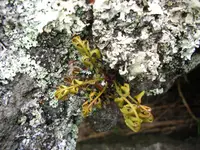
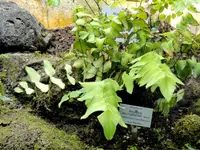
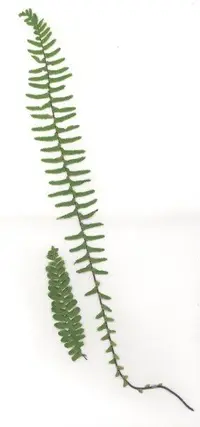
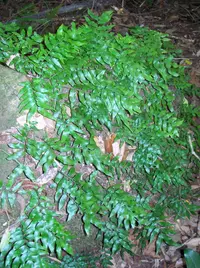
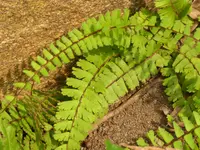
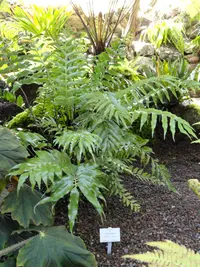
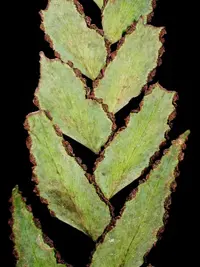
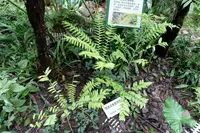
Egyptian spleenwort (Asplenium aethiopicum) is a small, evergreen fern with finely divided fronds that form loose, delicate clumps. It often grows in rocky crevices, cliffs, and shaded slopes.
This species is native to parts of Africa and nearby regions, where it adapts to cool, humid microclimates with filtered light. Its moderate growth rate and preference for stable moisture make it slightly more demanding than common houseplants but manageable with attention.
Those who care for Egyptian spleenwort should focus on providing consistent humidity, gentle light, and a loose, well-drained but evenly moist growing medium.

Care Difficulty
Moderate Care

Light Preference
Partial Shade

Water Requirements
Keep Soil Moist

Temperature Preference
Warm Climate

Hardiness Zone
9–11

Soil Texture
Loamy, Peaty, Organic-rich

Soil pH
Acidic (5.5–6.5), Slightly acidic (6.5–7.0)

Soil Drainage
Moist but well-drained

Fertilization
Minimal (feed rarely)
Scan your plant to receive care tips personalized for your specific plant
Available on iOS and Android
This fern prefers soft, filtered light that mimics a forest floor or shaded rock crevice.
This species prefers consistently moist but not waterlogged soil around its shallow roots.
This fern thrives in mild, frost-free conditions with stable, moderate temperatures.
This fern prefers consistently humid air and reacts quickly to dry indoor conditions.
Asplenium aethiopicum grows best in loose, airy, organic-rich soil that drains freely yet stays evenly moist.
This species is well suited to container growing when moisture and stability are carefully managed.
This fern grows in relatively low-nutrient habitats, so Egyptian spleenwort needs only modest, careful feeding in containers.
Asplenium aethiopicum needs only light pruning to keep fronds healthy and tidy.
This fern dislikes frequent disturbance, so repot or transplant Asplenium aethiopicum only when clearly rootbound or overcrowded.
Asplenium aethiopicum is usually propagated by careful division rather than from spores by home growers.
This fern is only moderately cold tolerant and benefits from some winter protection in cooler climates.

Plant Health Check
Not sure what's wrong with your plant? Check your plant's health inside the app.
This fern has an unusually broad native range for its genus, occurring from South Africa north through East Africa and into parts of the Arabian Peninsula, often in both montane and lowland habitats where suitable rock crevices remain moist.
In the wild it commonly anchors itself in shallow soil pockets on cliffs, boulders, and rocky banks, using its compact rhizome and dense root system to exploit tiny, seasonally damp fissures that many other ferns cannot colonize.
Populations show marked variation in frond size, division, and texture across their range, and some regional forms have been treated as separate subspecies or varieties based on these consistent morphological differences.

The species is often an early colonizer of shaded rock faces and masonry in parts of its range, helping stabilize thin soil layers and creating microhabitats that later allow mosses and other small ferns to establish.
Brown fronds usually result from low humidity, underwatering, or exposure to direct sun or hot, dry air. Check that the root zone never fully dries, increase ambient humidity, trim dead fronds, and avoid heater or draft exposure.
Keep your plants happy and healthy with plant identification, disease detection, and easy care guidance.