Rustyback Care (Asplenium ceterach)

Rustyback

About Rustyback

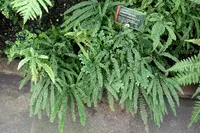
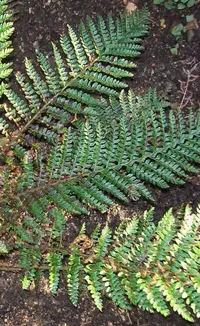
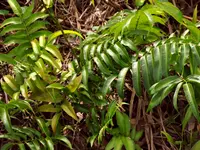
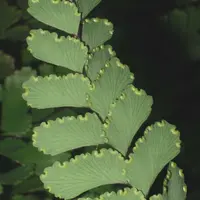
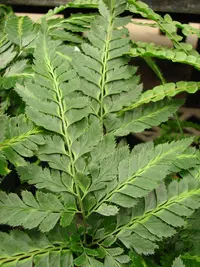
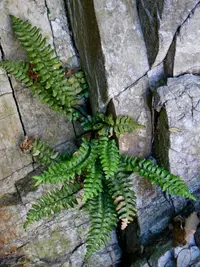
Rustyback, Asplenium ceterach, is a small evergreen fern known for its compact rosettes of narrow fronds with curled, rusty-brown undersides. The “rusty” look comes from dense scales that protect the leaves from drying out.

This fern often grows in rocky crevices, old walls, and limestone cliffs across Europe and parts of western Asia, tolerating periods of drought better than many other ferns. Its tough foliage and slow growth make it relatively undemanding once established, though it dislikes heavy disturbance and waterlogged soil.

In cultivation, it prefers bright, indirect light, good air flow, and sharply drained, gritty substrate; understanding these natural conditions is the key to how to care for Rustyback.

Main Plant Requirements

Care Difficulty

Moderate Care

Light Preference

Partial Shade

Water Requirements

Moderate Water

Temperature Preference

Cool Climate

Hardiness Zone

6–9

Soil Texture

Loamy, Rocky, Organic-rich

Soil pH

Slightly acidic (6.5–7.0), Neutral (7.0)

Soil Drainage

Well-drained

Fertilization

Minimal (feed rarely)

Get Personalized Care Plan

Scan your plant to receive care tips personalized for your specific plant

Available on iOS and Android

How to Care for the Rustyback

This small fern prefers bright, indirect light with some daily shade, especially in warmer regions.

  • Provide 2–4 hours of soft morning sun with filtered or dappled light for the rest of the day for Rustyback.
  • In hot climates, protect from strong midday and afternoon sun, which can scorch fronds and cause leaf edges to dry and curl.
  • In heavier shade, growth slows; move gradually to a slightly brighter spot, especially in late autumn and winter when outdoor light levels drop.

This fern prefers slightly dry, free-draining conditions rather than constantly wet soil.

  • Allow the top 2–3 cm of soil or crevice mix to dry between waterings, then water thoroughly so moisture penetrates the root zone.
  • During spring and summer, watch fronds for slight crisping or folding as a sign Asplenium ceterach needs water; reduce frequency in cooler months.
  • Avoid waterlogged spots; yellowing fronds, blackened bases, or a sour smell in the soil indicate poor drainage and overwatering stress.

This species is a hardy fern that tolerates a wide temperature range when planted in suitable outdoor conditions.

  • Aim for active growth in 55–75°F (13–24°C), where fronds stay firm and new leaves emerge steadily.
  • Mature plants can survive brief drops to about 15–20°F (-9 to -6°C) if well rooted, but repeated freeze-thaw cycles can damage crowns.
  • In hot summers above 85°F (29°C), provide shade and avoid heat-reflecting surfaces; prolonged dry heat can cause fronds to shrivel, though the plant often recovers when conditions cool.

This fern prefers moderate humidity but copes with typical indoor air if not kept too warm.

  • Aim for 40–60% humidity; extended periods below 30% can dry fronds and brown the tips.
  • Rustyback tolerates brief dry air but may curl and crisp at frond edges under prolonged low humidity.
  • Increase humidity with a nearby open tray of water and stones or by grouping plants, rather than misting heavily.

This fern thrives in a gritty, fast-draining yet moisture-retentive mix that mimics rocky crevices.

  • Use a mix of roughly 40% fine bark, 30% coarse sand or grit, and 30% compost to create a loose, airy structure.
  • Ensure rapid drainage; water should pass through in seconds and not leave the potting mix waterlogged.
  • Keep pH slightly alkaline to neutral (about 7.0–7.5), which suits Asplenium ceterach on limestone or mortar.
  • Avoid dense, peat-heavy or clay-based mixes that stay wet, reduce aeration, and increase root rot risk.

This species is well suited to container culture, especially in shallow pots or troughs.

  • Choose a shallow, wide container that matches its creeping root system and prevents deep, soggy pockets of mix.
  • Use porous materials such as unglazed terracotta if extra moisture loss is needed in cool, wet climates.
  • Secure containers in exposed spots, as the plant’s shallow root hold can make lightweight pots prone to tipping in strong winds.

This fern grows naturally in low-nutrient conditions, so fertilizer needs for Rustyback are minimal.

  • Use a very dilute balanced liquid fertilizer (around 10-10-10) at 1/4 strength during active growth in spring–summer.
  • Feed no more than every 4–6 weeks if growth appears weak or fronds look pale.
  • Avoid heavy or slow-release fertilizers that can burn compact roots in shallow soil or rock pockets.
  • Stop feeding in fall and winter to match the plant’s natural semi-dormant phase.

Asplenium ceterach needs only light, occasional cleanup rather than structural pruning.

  • Best time to tidy is late winter or early spring before new fronds unfurl.
  • Remove dead, browned, or diseased fronds at the base with sharp, clean scissors.
  • Thin out any crowded, overlapping fronds to improve air flow and reduce fungal problems.
  • Minimal pruning helps maintain the fern’s compact, natural clumping shape without stressing the plant.

This small fern is often grown in rock crevices or shallow containers and dislikes frequent disturbance.

  • Repot or transplant only when roots circle the container, soil dries extremely fast, or growth stalls.
  • Best timing is in spring, giving the plant a full growing season to re-establish.
  • Expect to repot every 3–4 years in containers, using a gritty, well-drained mix with added mineral material.
  • Handle roots gently, keep the original planting depth, water lightly after moving, and shade from strong sun for 1–2 weeks.

This fern is usually propagated by careful division rather than from spores at home.

  • Divide mature clumps in early spring when new growth just starts.
  • Lift the plant gently and separate small sections, each with healthy roots and several fronds.
  • Plant divisions into a moist, sharply drained mix and firm gently around the roots.
  • Maintain high humidity, moderate light, and consistently lightly moist soil until new fronds appear.

This fern is quite cold hardy in the ground and usually needs little special winter care.

  • Established plants in soil tolerate freezing conditions once rooted in well-drained sites.
  • Apply a light gravel or leaf mulch around the root zone in colder climates to buffer temperature swings.
  • Move container plants into a cool, frost-free, bright spot and keep soil only slightly moist.

Care Tips

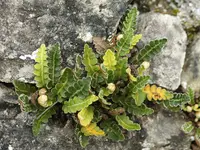
Use crevice planting

Tuck the root ball into narrow rock crevices or gaps in old walls with a thin layer of gritty substrate so the rhizomes stay anchored and shaded while the fronds can access light and airflow.

Encourage clump division

Every 3–4 years, gently split overgrown clumps into several firm pieces in early spring and replant them snugly in new crevices to refresh vigor and create backup plants.

Limit organic buildup

Periodically brush away thick moss and accumulated leaf litter around the crowns so the fronds stay dry at the base and the plant does not rot in overly spongy material.

Rock mulching strategy

Place small stones or broken terracotta pieces around, but not on top of, the crowns to stabilize moisture, keep the root zone cool, and mimic the shallow, stony habitats that support healthy Rustyback indoor care.

Rain and drought hardening

If grown outdoors, gradually expose plants to natural rainfall and short dry spells in spring so they develop tougher fronds and more resilient root systems before peak summer conditions.

Common Pests and Diseases

Scale insects

This pest attaches tightly to fronds and rhachises, appearing as small brown or gray bumps that cause yellowing and a general loss of vigor. Symptoms include sticky honeydew and sometimes sooty mold on nearby surfaces.

Solution

Remove affected frond sections if heavily infested, and gently scrape or wipe remaining scales with a cotton swab dipped in 70% isopropyl alcohol. For larger clumps, repeat alcohol spot-treatments weekly and improve air movement around the plant; in outdoor plantings, encourage natural predators like lady beetles and avoid excess nitrogen fertilization that favors scale buildup.

Aphids

These insects cluster on tender new fronds and sori, sucking sap and causing distortion, curling, and pale patches. This pest can also leave sticky honeydew that supports black sooty mold growth.

Solution

Rinse fronds thoroughly with a strong but gentle stream of water, repeating every few days until numbers drop. For persistent populations on outdoor plants, use an insecticidal soap spray applied in the early morning or evening, ensuring full coverage of undersides of fronds, and avoid spraying in full sun to minimize leaf spotting.

Fern rust

This disease causes orange to brown powdery pustules on the undersides of fronds, sometimes with yellowing or browning patches on the upper surface. Symptoms include premature frond dieback and reduced clump vigor when infections are heavy.

Solution

Remove and discard affected fronds promptly to reduce spore spread and avoid overhead watering that keeps fronds wet for long periods. Improve air circulation, grow Asplenium ceterach in a more exposed rock crevice or wall position if possible, and in severe, recurrent outdoor cases consider a labeled fungicide for rusts applied according to local guidelines.

Botrytis blight

This disease develops in overly damp, stagnant conditions, causing soft brown lesions on fronds that may be covered with a gray, fuzzy mold. Symptoms include collapse of delicate frond tips and slow decline of crowded indoor clumps.

Solution

Cut off and discard all affected tissue, then reduce humidity around the fronds by improving airflow and avoiding water sitting on the foliage. Space plants so fronds dry quickly, water at the base in the morning, and for valuable collections consider a targeted fungicide labeled for Botrytis if sanitation and cultural changes are not sufficient.

Interesting Facts

Rock crack specialist

This fern naturally colonizes dry, lime-rich rock walls and crevices, where its roots anchor into tiny pockets of mortar or stone dust that many other ferns cannot exploit.

Rusty underside scales

The fronds have dense, rust-colored scales on the underside that reduce water loss and reflect excess light, giving rise to common names like rustyback and rustyback fern.

Resurrection-style survival

In prolonged drought the fronds can curl up and appear dead, then rehydrate and green up again after rain, a survival strategy linked to its ability to tolerate repeated drying cycles.

Botan icon

Did you know?

In the British Isles and parts of western Europe, this species is considered an archaeophyte on old stone structures, meaning its long-term presence on historic walls and ruins helps botanists and archaeologists trace past patterns of building materials and lime-rich masonry use.

FAQs about Rustyback

This fern performs best outdoors in rock crevices, walls, or very well-drained troughs. It can be kept indoors only in bright, cool, airy spots, and often declines long term in warm, stagnant room conditions, so prioritize outdoor positions where possible.

Grow Healthy Plants with Botan Care

Keep your plants happy and healthy with plant identification, disease detection, and easy care guidance.

Botan plant care app — identify plants on mobile

Explore More Plants