
quaking aspen Identification (Populus tremuloides)

Recognize quaking aspen by its nearly round, finely toothed leaves on long, flattened leaf stalks, arranged alternately along the twigs.

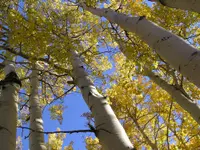
It also forms straight, slender trunks with smooth pale bark, often in tight clonal groups, and bears hanging catkins rather than showy flowers.

Populus tremuloides Identification

Identify Your Plant with Botan

Upload a clear photo to check your plant identification with Botan.

Clear images work best. Avoid photos taken too close or too far away

  • 1 free identification
  • No sign-up
  • 30,000+ plants in database

Check the leaves, bark, and overall form of Populus tremuloides.

  • Leaves are nearly round to broadly triangular, with fine teeth and a long, flattened stalk.
  • Leaf blades are usually 1-3 inches (2.5-7.5 cm) across and hang singly, alternating along the twig.
  • Bark is pale greenish white to whitish gray and smooth on much of the trunk, often marked with dark scars.
  • The crown is narrow to rounded, and trunks are often straight, slender, and grouped close together.

The flattened leaf stalk is one of the easiest visible checks.

Populus tremuloides shows clear visual differences from sapling form to reproductive maturity.

  • Young plant: Young plants often appear as straight, narrow suckers with smooth pale bark and relatively large, rounded leaves on long flattened stalks.
  • Mature plant: Mature trees develop a tall trunked form, often 20-80 feet (6-24 m), with a broader crown and bark darkening and furrowing low down.
  • Flowering stage: Flowering is marked by dangling catkins before full leaf expansion, adding conspicuous tassel-like clusters that are absent on nonreproductive young plants.
  • Fruiting stage: Female trees carry hanging strings of capsules that split to release cottony seeds, a visible difference from the bare catkins seen earlier.

In spring, quaking aspen shows dangling catkins before or with the first leaves. New leaves are small, round to heart-shaped, and soon begin the characteristic trembling on flattened leaf stalks. Fall is the clearest seasonal clue. The canopy turns bright yellow, then drops early, exposing smooth pale bark and fine, straight twigs through winter.

A few poplars and aspens are regularly mistaken for quaking aspen.

bigtooth aspen(Populus grandidentata)

Similar roundish leaves and pale bark. Check the leaf edge: bigtooth aspen has fewer, larger teeth; Populus tremuloides has finer, more even teeth and flatter leaf stalks.

white poplar(Populus alba)

Young leaves can look similarly rounded from a distance. White poplar usually shows white, fuzzy leaf undersides and often lobed leaves; quaking aspen leaves are not white-felted below.

gray poplar(Populus × canescens)

This hybrid can resemble aspen in bark and leaf shape. It usually has gray-felted leaf undersides and larger, less uniformly round leaves than quaking aspen.

Native across most of Canada, Alaska, and much of the northern and western United States, Populus tremuloides is especially common in the Rockies and other montane regions. It often grows in cool forests, mountain slopes, burned areas, and along streams, often from foothills to about 11,500 feet (3,500 m). In the West, finding it in upland groves helps separate it from many lowland poplars.

Does Your Plant Match?

Use Botan to compare a photo and help identify or confirm the plant before you label it.

FAQ

Leaves are usually 1.5 to 3 inches (4 to 8 cm) across, nearly round to broadly triangular. In identifying quaking aspen, note the long, flattened leaf stalk that makes the blades tremble in light wind.

More Plant Identification Guides

Identify First. Learn What Comes Next.

Use Botan to identify a plant from a photo, then get species-specific care information, safety notes, and common problems.

Botan app identifying a plant from a photo
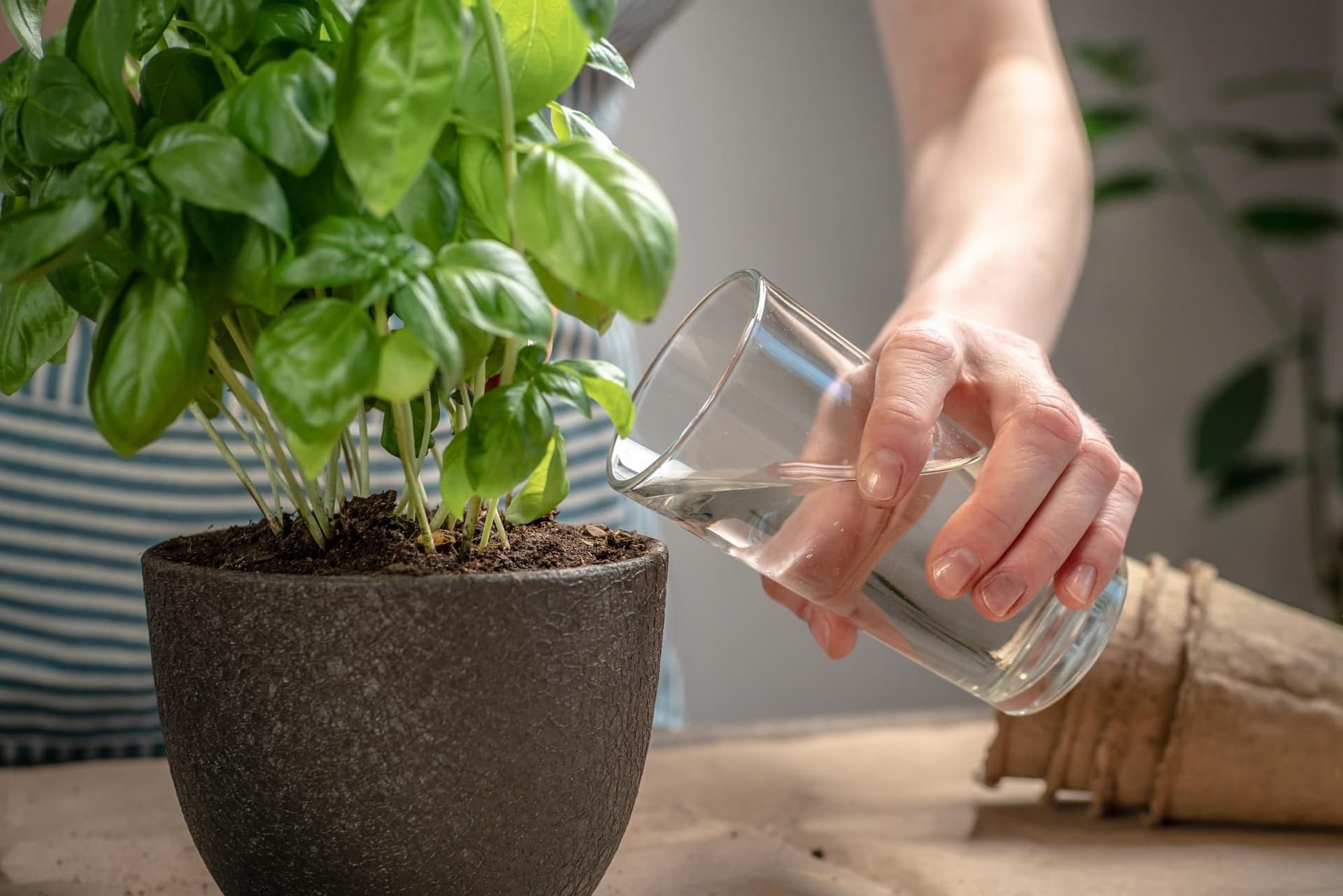
Best Water for Plants – How to Choose the Right Type

7 min read · 13 Aug 2026

Best Water for Plants – How to Choose the Right Type

Rainwater, filtered, distilled, and tap water affect plants differently. Learn which types support healthy growth and which cause slow damage. Match each to your plants and discover how to easily improve tap water quality.

Plant Care
Best Water for Plants – How to Choose the Right Type
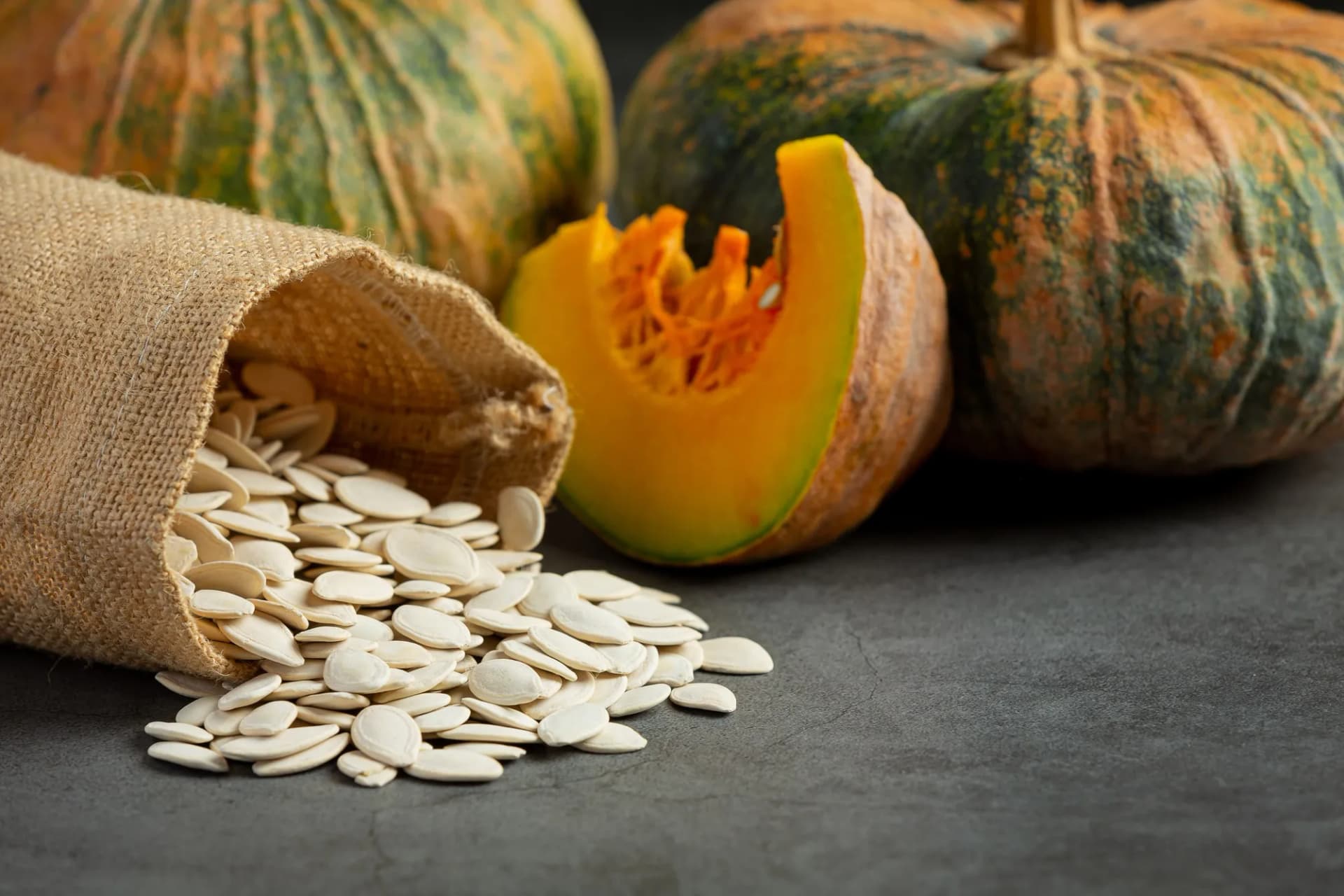
How to Plant Pumpkin Seeds for a Fall Harvest and Grow Your Own Patch

7 min read · 4 Nov 2026

How to Plant Pumpkin Seeds for a Fall Harvest and Grow Your Own Patch

A backyard pumpkin patch starts months before the first leaves turn: the harvest that ends up on the porch in October is decided by what a gardener does in late spring.

Beginner Guides
How to Plant Pumpkin Seeds for a Fall Harvest and Grow Your Own Patch
Best Time to Water Grass in Summer – Lawn Watering Tips

5 min read · 21 Jul 2026

Best Time to Water Grass in Summer – Lawn Watering Tips

Summer watering is easy to get wrong. This guide explains when to turn on your sprinkler, how much liquid your grass needs each week, and how to tell if you're overwatering or underwatering.

Plant Care
Best Time to Water Grass in Summer – Lawn Watering Tips