


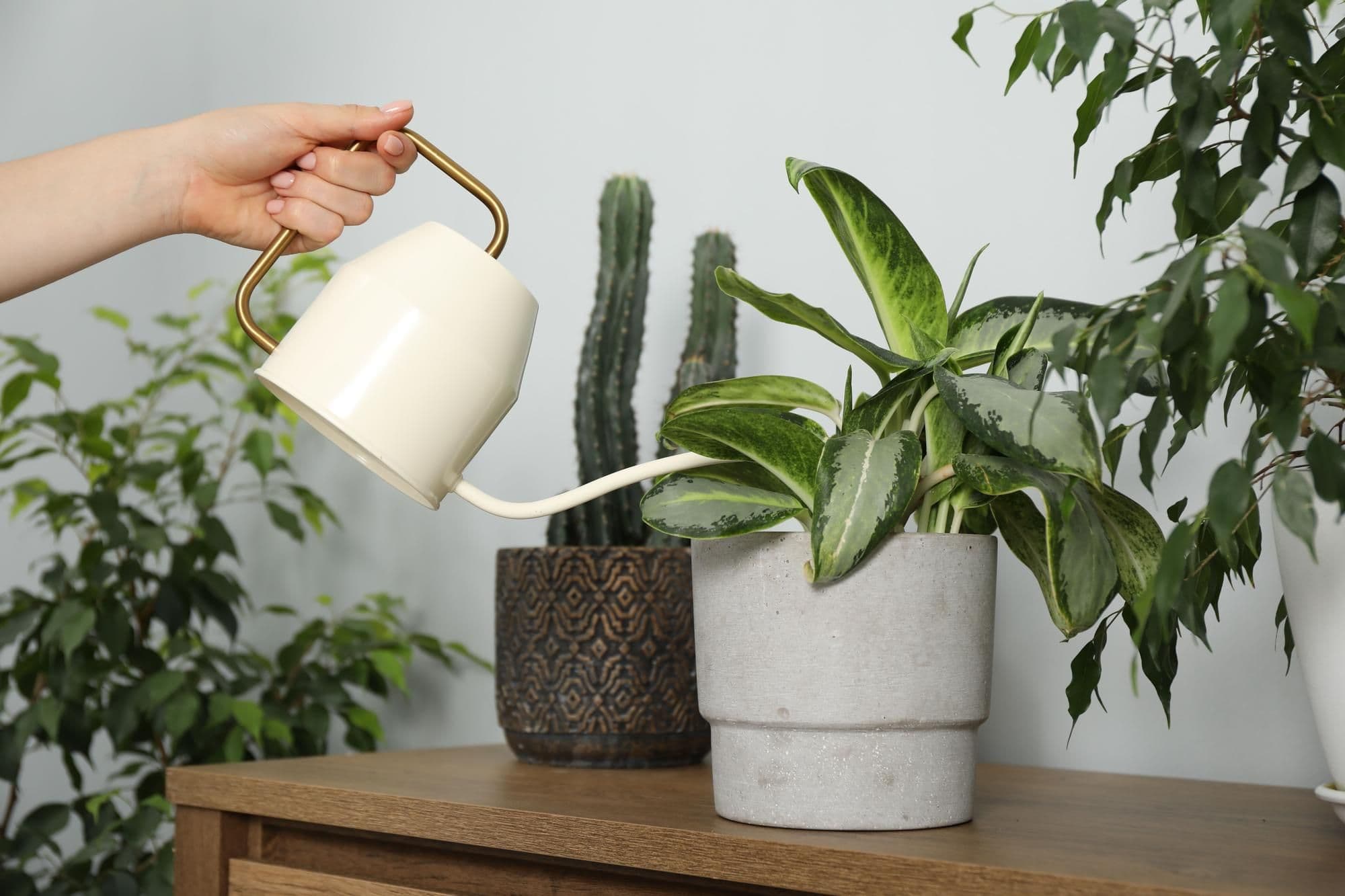
7 min read · 24 Aug 2026
How to Water Houseplants: Watering Guide
Learn how often to water indoor plants, key factors for proper watering, and how to adjust the care routine by plant type, season, pot size, light, and indoor conditions.
Plant Care

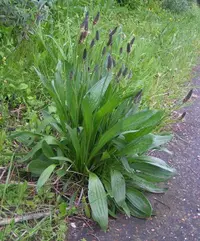
Recognize English plantain by its narrow, ribbed leaves in a basal rosette and its leafless flower stalks. The leaves are lance-shaped, usually 4 to 12 inches (10 to 30 cm) long, with 3 to 5 strong parallel veins.
Each stalk carries a short, dense cylindrical flower head with a ring of small pale stamens.
Check your plant ID by uploading a clear photo to Botan.
Clear images work best. Avoid photos taken too close or too far away
Check the leaf rosette and the narrow flower spikes of Plantago lanceolata.
Look for the combination of ribbed narrow leaves and a bare stalk ending in a compact spike.
Plantago lanceolata shows clear stage-based changes in rosette form, stalks, and seed heads.
In spring, Plantago lanceolata shows fresh basal rosettes of narrow, ribbed leaves. By late spring into summer, leafless stalks rise above the rosette, each topped by a short, dense flower spike with a ring of pale stamens. In winter, the flowering stalks disappear, and plants often remain as low green rosettes, making the ribbed leaves the main visible clue.
A few common lawn and meadow plants can be mistaken for Plantago lanceolata.
broadleaf plantain(Plantago major)
Both form basal rosettes with leafless flower stalks. Broadleaf plantain has wide, oval leaves that lie flatter to the ground. English plantain has narrower, lance-shaped leaves.
buckhorn plantain(Plantago coronopus)
This also makes a low rosette and narrow flower stalks. Its leaves are deeply lobed or toothed, often almost antler-like. Plantago lanceolata has mostly unlobed leaves with strong parallel veins.
Plantago lanceolata is native to much of Europe and temperate Asia, and it is now widely naturalized in North America. Its native habitats include meadows, pastures, roadsides, disturbed ground, and open grassy places. That setting helps with identification because this species most often appears in sunny, trampled, or regularly cut turf rather than shaded woodland or wetland. Finding it in lawns, field edges, and compacted paths can help narrow it from less common look-alikes.

Identify Your Plant
Scan your plant to get a quick ID
Use Botan to identify or confirm the plant from a photo, which helps avoid mix-ups before you label or log it.
Yes. The fruit is a tiny capsule hidden within the dense flower spike. It opens like a lid and usually contains two seeds, a useful detail for Plantago lanceolata identification when flowers have matured.
Identify it from a photo with Botan, then get plant details, care information, and common problems for that species.
7 min read · 24 Aug 2026
Learn how often to water indoor plants, key factors for proper watering, and how to adjust the care routine by plant type, season, pot size, light, and indoor conditions.
8 min read · 6 Jul 2026
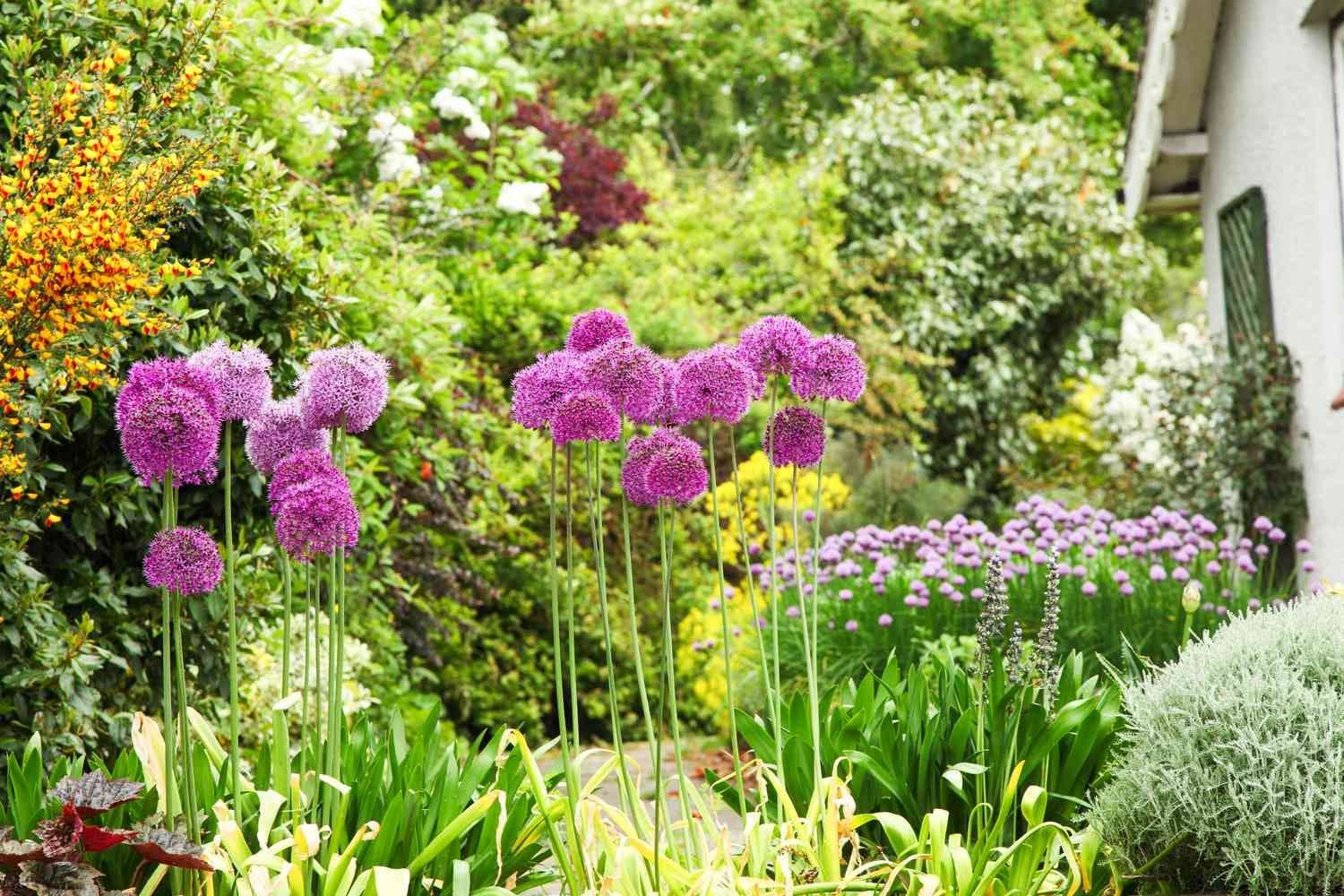
Plants that repel mosquitoes can help mask human scent naturally and make outdoor spaces more comfortable. Explore the most effective options, their benefits and drawbacks, and choose the right plant for your space.
5 min read · 21 Jul 2026
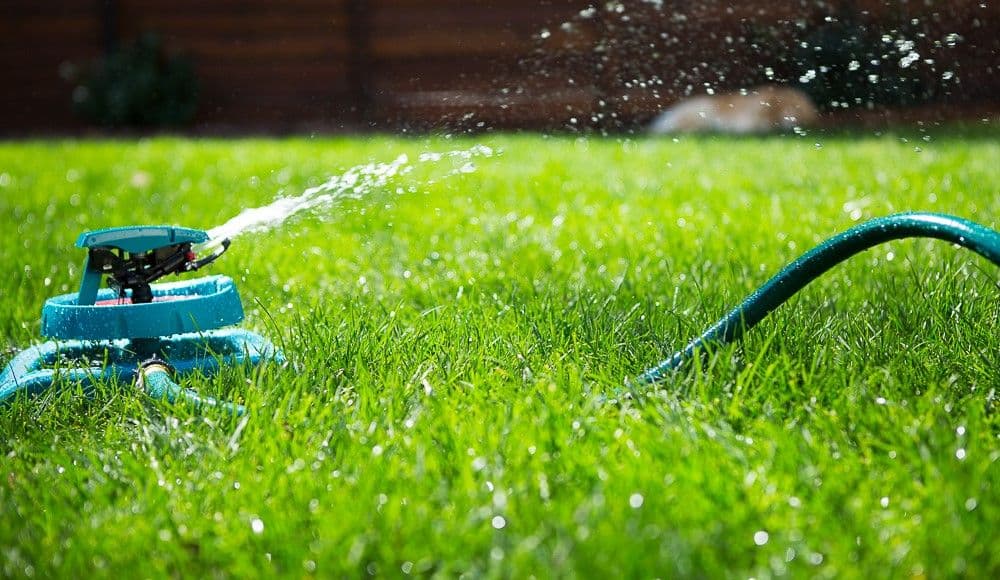
Summer watering is easy to get wrong. This guide explains when to turn on your sprinkler, how much liquid your grass needs each week, and how to tell if you're overwatering or underwatering.