Prometheum pilosum Care

Prometheum pilosum

About Prometheum pilosum

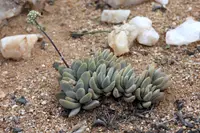
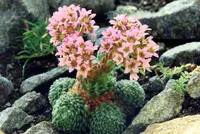
Prometheum pilosum is a small, mat-forming succulent, typically used as a rock garden or groundcover plant. It forms low cushions of fleshy, often hairy leaves with seasonal clusters of small flowers.

This species is native to rocky, mountainous areas, where it grows in shallow, well-drained soils with good light and cool conditions. Its compact growth and drought tolerance make it relatively low maintenance when basic needs are met.

Understanding how to care for Prometheum pilosum mainly involves providing bright light, moderate watering, and gritty, free-draining soil to avoid rot and keep the plant compact and healthy.

Main Plant Requirements

Care Difficulty

Moderate Care

Light Preference

Partial Shade

Water Requirements

Moderate Water

Temperature Preference

Warm Climate

Hardiness Zone

Unknown

Soil Texture

Loamy

Soil pH

Slightly acidic (6.5–7.0)

Soil Drainage

Well-drained

Fertilization

Minimal (feed rarely)

Get Personalized Care Plan

Scan your plant to receive care tips personalized for your specific plant

Available on iOS and Android

How to Care for the Prometheum pilosum

This alpine succulent prefers bright conditions but not intense, all-day sun.

  • Provide 4–6 hours of direct morning sun with bright, filtered light or light shade in the afternoon, especially in hotter regions.
  • Tolerates light partial shade, but very dense shade leads to weak, elongated growth and poor flowering in Prometheum pilosum.
  • In summer, protect from harsh midday sun to prevent leaf scorch; in winter, ensure the plant is not shaded by taller vegetation so it still receives several hours of low-angle sun.

This species prefers infrequent, thorough watering with time for the soil to dry between soakings.

  • Water only when the top 3–5 cm of soil are dry; in mild conditions this may mean roughly every 7–14 days, but rely on touch rather than a fixed schedule.
  • Use sharply draining, gritty soil and sloped or raised spots so water runs off quickly, reducing the risk of root rot and leaf yellowing from excess moisture.
  • In cooler or overcast seasons, extend the drying period and watch for wrinkling or limp leaves as a sign to water, and mushy, translucent tissue as a sign of overwatering.

This plant is adapted to cool, alpine conditions with moderate seasonal variation.

  • Aim for active growth in 55–70°F (13–21°C); short periods up to about 80°F (27°C) are tolerated if soil stays slightly drier and exposure to intense sun is limited.
  • Hardy to around 20–25°F (-7 to -4°C) once established; brief light frosts are usually tolerated, but prolonged freezes below this range can damage crowns and roots.
  • In very hot spells above 85°F (29°C), provide afternoon shade and excellent airflow, and avoid heavy watering in the heat of the day to limit stress.

This species prefers moderate humidity and reacts if air stays very dry for long periods.

  • Aim for 40–60% humidity; it tolerates brief dips lower but may dry at the leaf edges if kept much below this range.
  • Crisping tips, dull foliage, and slow new growth indicate humidity stress rather than underwatering when soil is slightly moist.
  • Increase humidity with a nearby open tray of water and stones or by grouping plants; avoid misting leaves constantly to limit fungal issues.

Prometheum pilosum grows best in a loose, fast-draining, slightly rocky mix that still holds some moisture.

  • Use a base of loamy potting mix blended with 30–40% mineral ingredients such as coarse sand, fine gravel, or pumice for structure.
  • Aim for slightly acidic to neutral pH around 6.0–7.0, avoiding very alkaline mixes that can lock up nutrients and stunt growth.
  • Incorporate a modest amount of compost or leaf mold for organic matter, but keep the texture open so roots receive enough air.
  • Avoid heavy clay, peat-only, or compacted mixes that stay wet for many hours, since these raise the risk of root rot.

This species can adapt well to container growing when the pot is chosen to match its root habit and moisture needs.

  • Select a container just a little wider than the root mass so the mix dries evenly instead of staying wet in unused corners.
  • Choose a heavier clay or ceramic pot outdoors to keep the plant stable if stems become sprawling or slightly top-heavy in wind.
  • Elevate the pot on feet or bricks so drainage holes stay clear and runoff escapes quickly after rain or deep watering.

This species grows in lean, rocky soils and usually needs little supplemental feeding in the ground.

  • For container-grown Prometheum pilosum, apply a balanced 10-10-10 or 14-14-14 slow-release fertilizer at the start of spring.
  • Use about half the label-recommended strength to avoid forcing soft, weak growth.
  • Alternatively, top-dress with a thin layer of mature compost once per growing season.
  • Do not feed in late fall or winter, when growth is naturally slow or dormant.

Pruning is mainly used to maintain shape and remove impaired growth on this shrub-like species.

  • Best time for pruning Prometheum pilosum is late winter to early spring, before strong new growth begins.
  • Cut out dead, diseased, or storm-damaged stems at the base with clean, sharp bypass pruners.
  • Thin crowded interior shoots to improve air flow and light penetration, keeping the plant compact and balanced.
  • Make clean cuts just above a leaf node, angling slightly to shed water and reduce infection risk.

This plant is more often grown in rocky beds than in containers, so focus on careful transplanting.

  • Transplant in early spring or early fall, when temperatures are mild and soil is workable.
  • Look for signs such as stunted growth, roots circling a small container, or drying out very fast as cues to move it.
  • Shift to a slightly larger container or ground site with sharply drained, gritty soil to prevent root rot.
  • Water thoroughly after moving, then keep soil just lightly moist for 1–2 weeks to reduce transplant shock.

Propagation is practical for increasing plants once a healthy, established clump is available.

  • Use semi-ripe stem cuttings in late spring to summer, taken from non-flowering shoots 7–10 cm long.
  • Insert cuttings into a gritty, well-drained mix and keep at 65–75°F with bright, indirect light.
  • Maintain lightly moist, not wet, conditions and consider a rooting hormone to improve success.
  • Alternatively, sow fresh seed in fall in a free-draining medium, exposing to natural cool conditions for stratification.

This species is generally cold hardy in temperate climates but benefits from simple winter precautions in colder regions.

  • Tolerates light frosts once established, but young plants are more sensitive to repeated freeze–thaw cycles.
  • Apply a 3–5 cm layer of coarse mulch around the root zone, keeping it slightly away from stems.
  • In very cold areas or for container plants, move pots to a sheltered, unheated space with good light.

Care Tips

Rocky substrate pockets

When planting, create pockets of coarse grit or small rocks in the upper 2–3 in of the bed to mimic its natural scree habitat and improve crown drainage, which helps prevent rot at the plant base over wet periods.

Summer heat protection

In regions with very hot summers, place light-colored gravel or stone mulch around, but not touching, the crown to reflect heat and stabilize root-zone temperatures without trapping excess moisture.

Tight clump management

Every 3–4 years, lift and gently divide congested clumps just after flowering, replanting only the healthiest outer pieces to maintain dense, floriferous growth and reduce internal dieback.

Targeted deadheading

After the main flush of bloom, remove only the spent flower stems down to the foliage level instead of shearing the whole plant, which preserves photosynthetic leaves and supports better bud formation for the next season.

Winter wet control

In climates with cold, wet winters, slightly tilt planting sites or build a low, free-draining mound so surface water runs off the crown, a simple strategy that significantly improves long-term success when growing Prometheum pilosum.

Common Pests and Diseases

Aphids

This pest often clusters on young shoots and flower stems, sucking sap and causing distortion, sticky honeydew, and reduced vigor.

Solution

Spray affected areas with a strong jet of water to dislodge colonies, then treat remaining insects with insecticidal soap or a ready-to-use neem oil spray, repeating weekly until populations drop; encourage natural predators such as ladybird beetles in outdoor plantings by avoiding broad-spectrum insecticides.

Mealybugs

These insects appear as small white cottony masses in leaf axils and along stems, weakening rosettes by feeding on sap and excreting honeydew that can lead to sooty mold.

Solution

Spot-treat visible clusters with cotton swabs dipped in isopropyl alcohol, then follow with several rounds of insecticidal soap or neem oil on both leaf surfaces; isolate infested plants and inspect regularly, removing heavily infested offsets if needed to protect the main clump while maintaining good Prometheum pilosum indoor care practices.

Spider mites

This pest thrives in hot, dry conditions, causing fine stippling, pale patches, and delicate webbing between leaves that can dull the foliage and slow growth.

Solution

Increase humidity around the plant, rinse rosettes thoroughly with lukewarm water to remove webbing and mites, then apply insecticidal soap or a horticultural oil labeled for mites to all leaf surfaces, repeating every 5–7 days until no new damage appears; improve airflow and avoid prolonged heat buildup around the plant.

Leaf spot

This disease presents as small, often brown or tan lesions on leaves that may coalesce, leading to premature leaf drop in dense or poorly ventilated clumps.

Solution

Remove and discard affected leaves, then adjust watering to keep foliage dry by watering at the base in the morning and improving spacing and airflow; in recurrent cases outdoors, apply a copper- or chlorothalonil-based fungicide according to label directions and avoid overhead irrigation.

Crown rot

This disease begins at the base of the rosette where moisture accumulates, causing a soft, dark, mushy crown and collapse of leaves, especially in heavy or waterlogged soils.

Solution

Excavate and discard severely affected plants, then improve drainage by using a gritty, fast-draining substrate and slightly raised planting areas; for mild cases, remove all mushy tissue, dust the wound with a sulfur-based fungicidal powder, replant healthy offsets, and avoid overwatering or prolonged soil saturation.

Interesting Facts

Alpine rock specialist

This species is a compact, mat-forming succulent adapted to thin, stony soils in high-altitude or rocky habitats, where its dense clusters help protect roots from temperature swings and moisture loss.

Hairy leaf adaptation

The fine hairs on its leaves create a boundary layer of still air on the surface, which reduces water loss through transpiration and offers some protection from intense sunlight and wind exposure.

FAQs about Prometheum pilosum

The flowers produce nectar and pollen that are accessible to many small bees and occasional butterflies. To maximize pollinator visits, plant several together, avoid pesticides during bloom, and keep nearby flowering diversity high through the season.

Grow Healthy Plants with Botan Care

Keep your plants happy and healthy with plant identification, disease detection, and easy care guidance.

Botan plant care app — identify plants on mobile

Explore More Plants