Sterile substrate rotation
Rotate and replace the woody substrate every 6–12 months, using only pressure-sterilized or oven-pasteurized wood chips to reduce competing fungi and keep the colony vigorous.

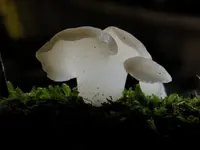
Toothed jelly fungus, Pseudohydnum gelatinosum, is a gelatinous wood-decay fungus rather than a typical leafy plant. It forms soft, translucent gray to brown fruiting bodies with a toothed underside instead of gills. This species usually grows on decaying conifer wood in cool, moist forests across North America, Europe, and parts of Asia.
Its jelly-like texture helps it tolerate repeated wetting and drying, which makes it relatively forgiving in consistently damp, shaded conditions. However, replicating its need for rotting wood substrate and high humidity can be challenging indoors, so guides on how to care for Toothed Jelly Fungus are mainly relevant to specialized growers and terrarium enthusiasts.

Care Difficulty
Hard Care

Light Preference
Shade

Water Requirements
Keep Soil Moist

Temperature Preference
Cool Climate

Hardiness Zone
Unknown

Soil Texture
Loamy, Silty, Organic-rich

Soil pH
Strongly acidic (4.5–5.5), Acidic (5.5–6.5)

Soil Drainage
Moist but well-drained

Fertilization
Minimal (feed rarely)
Scan your plant to receive care tips personalized for your specific plant
Available on iOS and Android
This fungus prefers cool, low to moderate light typical of shaded woodland habitats.
Moisture management focuses on consistently damp, not saturated, wood or substrate.
This species is adapted to cool, temperate conditions and prefers a mild climate.
This jelly fungus prefers consistently moist, humid conditions rather than dry air.
This species naturally grows on decaying wood, so any artificial substrate should mimic moist, airy, woody conditions.
This fungus can be grown in containers if the setup mimics a consistently moist, decaying-wood environment.
This wood-decay fungus usually gains enough nutrients from its substrate and rarely benefits from added fertilizer.
Pseudohydnum gelatinosum does not require structured pruning, only simple cleanup.
This fungus is typically grown on logs or wood blocks, so transplanting focuses on moving colonized substrate rather than roots.
Propagation of Pseudohydnum gelatinosum is mainly done by introducing mycelium to fresh wood rather than by typical plant methods.
This temperate fungus is cold hardy and usually needs little specific winter care outdoors.

Plant Health Check
Not sure what's wrong with your plant? Check your plant's health inside the app.
The fruiting body is gelatinous and translucent, but its underside is covered with dense, soft spines instead of gills or pores, giving rise to its common name toothed jelly fungus.
This fungus commonly fruits in cool, wet conditions and can appear in late autumn, winter, or early spring in mild climates, often when many other macrofungi are absent.
It is a saprotroph, meaning it feeds on dead organic matter, and is typically found on well-rotted conifer wood, where it helps break down lignin and cellulose and returns nutrients to the forest soil.

This species is widely regarded as edible and is eaten in some regions for its crunchy, jelly-like texture rather than for strong flavor, although, as with any wild fungus, correct identification and local guidance are essential before consumption.
This species is considered edible but has very little flavor and a gelatinous, chewy texture. Only collect from clean, pesticide‑free wood, and avoid look‑alike fungi. Always cook thoroughly and introduce small amounts first to check tolerance.
Keep your plants happy and healthy with plant identification, disease detection, and easy care guidance.