Psilocybe baeocystis Care

Psilocybe baeocystis

About Psilocybe baeocystis

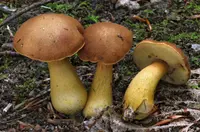
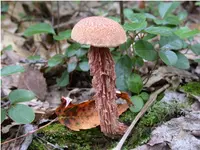
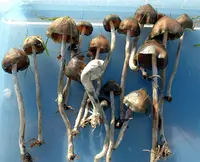
Psilocybe baeocystis is a small, wood-loving mushroom species, not a traditional houseplant. It typically forms clusters of slender stems topped with conical to bell-shaped caps that can bruise bluish when handled. In nature it appears in temperate regions, especially the Pacific Northwest of North America, often on wood chips, decomposing plant debris, or rich, disturbed soils.

This species is considered difficult to cultivate reliably at home because it has specific substrate and environmental needs and is sensitive to contamination by other fungi and bacteria. Anyone looking up how to care for Psilocybe baeocystis should note that it is better suited to experienced mushroom growers than beginners.

Main Plant Requirements

Care Difficulty

Hard Care

Light Preference

Partial Shade

Water Requirements

Keep Soil Moist

Temperature Preference

Cool Climate

Hardiness Zone

Unknown

Soil Texture

Loamy, Peaty, Organic-rich

Soil pH

Acidic (5.5–6.5)

Soil Drainage

Moist but well-drained

Fertilization

Minimal (feed rarely)

Get Personalized Care Plan

Scan your plant to receive care tips personalized for your specific plant

Available on iOS and Android

How to Care for the Psilocybe baeocystis

This fungus prefers cool, shaded conditions that mimic a damp forest floor rather than direct sun exposure.

  • Provide dappled shade or full shade with only 1–2 hours of weak morning sun; avoid strong midday or afternoon sun to prevent drying of the substrate.
  • Site patches under deciduous shrubs, conifers, or on the north side of structures where light is filtered and wind is reduced.
  • In summer, increase shade or leaf litter cover; in cooler seasons, slightly more indirect light is acceptable as long as the substrate stays moist.

Moist, airy substrate is critical, as the mycelium is sensitive to both drying and stagnation.

  • Maintain consistently moist conditions in the top 5–8 cm of woodchip or soil mix; the surface should feel damp but not muddy when pressed.
  • Increase watering or misting when the surface begins to lighten in color and feels barely damp, especially during warm, dry periods.
  • Reduce added moisture during extended cool, wet weather to avoid waterlogging, standing puddles, sour smells, or slimy patches that indicate excess water.

Stable, cool temperatures support reliable mycelial growth and fruiting for this species.

  • Aim for 50–65°F (10–18°C) as an active growth and fruiting range; mild fluctuations are acceptable if moisture remains steady.
  • Below about 40°F (4°C), growth slows greatly, though established mycelium may survive short cold spells if the substrate is insulated with mulch or leaf litter.
  • Sustained heat above 75°F (24°C) with dry air can stress or kill mycelium, so provide deep shade, thick mulch, and frequent moisture during hot periods.

This fungus needs consistently high humidity to form healthy fruiting bodies.

  • Maintain 85–95% humidity during active growth using a humidifier or fine misting in a closed fruiting chamber.
  • Watch for drying caps, cracked surfaces, or stalled pin development as signs of humidity stress.
  • Increase humidity by lining the chamber with moist perlite, using a loose plastic cover, and ensuring only gentle air exchange.

Substrate for Psilocybe baeocystis must stay airy, moist, and rich in decomposed organic matter.

  • Use a fine, well-aerated mix such as composted wood chips, peat or coco coir, and a small amount of vermiculite for water retention.
  • Aim for slightly acidic to neutral conditions around pH 6.0–7.0 to support consistent mycelial growth.
  • Ensure the substrate drains freely yet holds moisture by avoiding heavy clay or compacted garden soil that restricts air pockets.
  • Pasteurize or use clean, prepared substrate materials to reduce competing fungi and bacteria in the growing Psilocybe baeocystis setup.

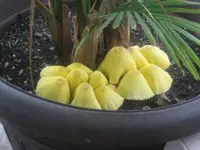
This species is not well suited to ornamental container growing and is usually cultivated in controlled trays or bins rather than display pots.

This guide provides neutral horticultural information only and does not endorse cultivation of Psilocybe baeocystis where restricted by law.

  • Fungal cultures are usually grown on nutrient-optimized substrates, so additional fertilizer such as balanced NPK products is generally unnecessary and may disrupt growth.
  • If nutrients are adjusted, they are incorporated into the substrate recipe before inoculation rather than added later as liquid feed.
  • Avoid applying garden compost, slow-release pellets, or strong liquid feeds directly, since they can encourage contaminants or harmful salt buildup.

Pruning is not a standard practice for Psilocybe baeocystis, which is a fungal organism rather than a woody or leafy plant.

  • If cultivated, remove only clearly contaminated or moldy substrate sections using sterile tools to limit disease spread.
  • Trimming fruiting bodies is done for harvest, not shaping; cut at the base with a clean blade or scissors.
  • Do not attempt to thin or shape growth as with ornamental plants, since this can damage the mycelium network.

Transplanting Psilocybe baeocystis focuses on handling its mycelium-colonized substrate rather than roots, which are absent in fungi.

  • Signs a container needs attention include stalled colonization, contamination, or the substrate fully colonized with no remaining space.
  • Plan any transfer for a stable, moderate-temperature period to reduce stress on the mycelium.
  • Typically, new sterile substrate or containers are introduced as fresh projects rather than repotting existing blocks.
  • Minimize disturbance, work quickly and cleanly, and avoid breaking apart colonized substrate to limit shock and contamination risk.

Propagation of Psilocybe baeocystis is specialized and highly regulated in many regions, so legal restrictions must be checked before any attempt.

  • Propagation methods involve spores or mycelium rather than cuttings or divisions used for plants.
  • Germination and colonization require sterile technique, controlled temperature, and precisely formulated substrates.
  • Small deviations in moisture, air exchange, or cleanliness can lead to contamination and loss of the culture.

Outdoor winter care is generally not applied to Psilocybe baeocystis, which is managed as a controlled indoor culture in many contexts.

  • Indoor setups aim for stable, cool to moderate temperatures rather than natural freezing and thawing cycles.
  • Avoid exposing colonized substrates or cultures to frost, as freezing can damage mycelium structures.
  • For any container-based setups, maintain consistent ventilation and humidity while preventing cold drafts or rapid temperature swings.

Care Tips

Substrate depth control

Maintain a shallow but even substrate layer of 3–5 cm to balance moisture and oxygen, and top up only with pasteurized material rather than mixing deeply into older substrate.

Targeted surface misting

Use a fine mister to lightly hydrate only the surface and sidewalls while leaving visible droplets but no standing water, which helps maintain a stable microclimate for caring for Psilocybe baeocystis without suffocating the mycelium.

Gentle air exchange

Fan or vent the growing container briefly 2–4 times daily with clean room air to reduce CO2 buildup and encourage sturdy, well-formed fruiting bodies rather than elongated, weak stems.

Hygienic harvest technique

Harvest clusters by gently twisting at the base or cutting with a disinfected blade, removing all tissue remnants to reduce bacterial soft rot and mold points in subsequent flushes.

Flush reset management

After each flush, remove all aborts and spent stubs, then lightly rehydrate the substrate by misting or short soaking rather than heavy watering, to help the culture recover and prepare for the next fruiting cycle when you grow Psilocybe baeocystis.

Common Pests and Diseases

Green mold (Trichoderma)

This disease appears as fast-spreading bright to dark green patches on the casing or substrate, quickly overrunning mushroom mycelium and blocking fruiting.

Solution

Remove and discard heavily contaminated trays or sections, improve hygiene by sterilizing tools and containers, and use properly pasteurized or sterilized substrate and casing; maintain slightly lower humidity and better air exchange to reduce spore buildup and follow strict Psilocybe baeocystis care instructions to keep culture conditions stable and clean.

Cobweb mold

This disease shows as very fine, grey to whitish, wispy growth on the casing or substrate that spreads rapidly and can engulf pins and young mushrooms.

Solution

Increase fresh air exchange, lower humidity slightly, and promptly remove affected areas; surfaces and room air can be treated with a diluted 3% hydrogen peroxide mist on non-mushroom surfaces to reduce spores while avoiding direct, repeated contact with the fruiting bodies.

Bacterial blotch

Symptoms include slimy, yellow to brown spots on mushroom caps that may feel greasy and can cause soft, water-soaked areas on the surface.

Solution

Reduce standing water by avoiding overhead misting of caps, increase airflow to dry surfaces between humidification cycles, promptly remove affected mushrooms, and clean the growing area with a mild disinfectant between flushes.

Fungus gnats

These insects are small, dark flies whose larvae can tunnel through the substrate and mycelium, leading to reduced yields and deformed mushrooms.

Solution

Use fine mesh screens and sticky traps to intercept adults, allow the top layer of the substrate casing to dry slightly between misting without stressing the mycelium, and, if needed, apply a biological control such as Bacillus thuringiensis israelensis (BTi) to the substrate surface according to label directions.

Mites

This pest consists of tiny arthropods that may appear as moving specks on substrate or mushroom surfaces and can feed on mycelium, reducing vigor and fruiting potential.

Solution

Discard heavily infested trays, heat-treat or freeze reusable equipment when safe to do so, maintain strict cleanliness of the grow area, and prevent entry by sealing gaps and using clean, filtered air; starting with mite-free grain and casing materials is essential to avoid chronic infestations.

Interesting Facts

Unusually high baeocystin

This species is notable for relatively high levels of the tryptamine alkaloid baeocystin compared with many related species, which historically influenced interest in its chemistry and taxonomy.

Preference for disturbed sites

It commonly fruits in human-modified habitats such as wood chip mulch, landscaped beds, and along garden edges in parts of the Pacific Northwest, rather than in undisturbed forest interiors.

Distinctive bruising reaction

The fruiting bodies often show a strong bluish to blackish bruising where handled or damaged, a visual cue linked to oxidation of indole alkaloids like psilocybin and psilocin.

Botan icon

Did you know?

This species was first formally described only in the mid-20th century from collections in the Pacific Northwest of the United States, making it a relatively recent addition to the scientifically recognized mushroom flora compared with many European and North American agarics documented since the 18th and 19th centuries.

FAQs about Psilocybe baeocystis

This mushroom contains psychoactive tryptamine alkaloids, which affect the central nervous system. Ingestion can cause confusion, nausea, vomiting, anxiety, and in pets, serious neurological signs. It should be considered toxic and kept away from children and animals.

Grow Healthy Plants with Botan Care

Keep your plants happy and healthy with plant identification, disease detection, and easy care guidance.

Botan plant care app — identify plants on mobile

Explore More Plants