Pteris fauriei Care

Pteris fauriei

About Pteris fauriei

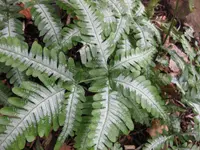
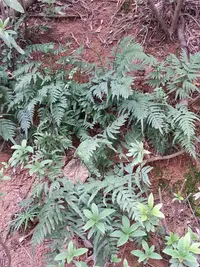
Pteris fauriei is a small to medium-sized terrestrial fern valued for its finely divided, arching fronds and tidy clumping habit. It forms dense, graceful tufts that suit containers and shaded garden spots.

This species is native to East Asia, typically found in moist, shaded forest floors and rocky slopes. Its preference for consistently damp, humus-rich soil and sheltered positions reflects these natural conditions.

Pteris fauriei is moderately easy to grow when given stable moisture, protection from harsh sun, and good air circulation. Understanding how to care for Pteris fauriei mainly involves balancing shade, moisture, and a free-draining but organic-rich substrate.

Main Plant Requirements

Care Difficulty

Moderate Care

Light Preference

Partial Shade

Water Requirements

Keep Soil Moist

Temperature Preference

Warm Climate

Hardiness Zone

9–11

Soil Texture

Loamy, Peaty, Organic-rich

Soil pH

Acidic (5.5–6.5)

Soil Drainage

Moist but well-drained

Fertilization

Light (every 4–6 weeks)

Get Personalized Care Plan

Scan your plant to receive care tips personalized for your specific plant

Available on iOS and Android

How to Care for the Pteris fauriei

This fern prefers soft, indirect light that mimics a shaded forest floor.

  • Provide 2–4 hours of gentle morning sun or bright, filtered light under trees or shade cloth; avoid direct midday sun that can scorch fronds.
  • Grow Pteris fauriei in partial to full shade outdoors, where dappled light moves across the plant during the day.
  • In summer, increase shade if fronds yellow or crisp; in darker seasons, use brighter but still indirect light to prevent sparse, stretched growth.

This fern needs consistently moist but not waterlogged soil.

  • Water when the top 2–3 cm of soil feels slightly dry, aiming for evenly damp soil from spring through fall.
  • Use loose, well-drained soil rich in organic matter so water moves through quickly and excess can drain away, reducing root rot risk.
  • Reduce watering slightly in cooler months, but never allow complete drying; drooping or crisping frond tips indicate underwatering, while blackened bases suggest overwatering.

This species prefers mild, stable temperatures without frost or extreme heat.

  • Aim for 60–75°F (16–24°C) for active growth, which suits many temperate garden and shaded courtyard conditions.
  • Protect from cold; growth slows below 50°F (10°C), and prolonged exposure near 32°F (0°C) can damage or kill fronds.
  • In hot periods above 85°F (29°C), provide deeper shade, extra humidity, and mulch to keep roots cooler and reduce stress.

This fern prefers consistently moist air and reacts quickly to dry conditions.

  • Aim for 60–80% humidity, as typical heated or air-conditioned rooms are often too dry.
  • Leaf tips browning, frond edges crisping, and slow unfurling indicate humidity stress.
  • Increase humidity with a nearby humidifier, grouping plants, or a wide pebble tray kept filled just below pot level.

This fern needs light, airy, organic-rich soil that holds moisture but drains freely.

  • Use a mix of roughly 50% peat or coco coir, 30% fine pine bark, and 20% perlite for structure and aeration.
  • Target slightly acidic soil, around pH 5.5–6.5, to support nutrient uptake and root health.
  • Avoid dense garden soil or heavy clay that compacts and stays wet, suffocating fine roots.
  • For reliable Pteris fauriei care instructions, ensure the mix feels springy, not sticky, and excess water drains within a few seconds.

This species is well suited to container growing for patios, shaded balconies, or sheltered outdoor spots.

  • Choose a wide, shallow pot to match its spreading root system and prevent the medium from staying waterlogged at depth.
  • Use a heavier ceramic or clay container outdoors to reduce tipping from wind and uneven frond growth.
  • Raise the pot slightly on feet or bricks so drainage holes stay clear and runoff water does not re-soak the mix.

Light feeding supports steady frond growth without overwhelming Pteris fauriei in containers.

  • Use a balanced liquid fertilizer (for example 10-10-10 or 20-20-20) diluted to 25–50% strength.
  • Feed every 4–6 weeks during spring and summer while the plant is actively growing.
  • Skip or reduce feeding to 1 light application in fall and none in winter dormancy.
  • Flush the pot with plain water every few months to prevent salt buildup in the soil.

Pruning focuses on hygiene and maintaining a tidy, well-ventilated clump for Pteris fauriei.

  • Best timing is late winter or early spring before strong new growth, with touch-ups during the season as needed.
  • Remove dead, yellowing, or diseased fronds at the base to limit fungal problems and improve appearance.
  • Thin out a few crowded, crossing fronds to improve air flow and keep a graceful, open shape.
  • Use clean, sharp scissors or small pruners, disinfected with alcohol, to reduce the risk of infection.

Container-grown Pteris fauriei benefits from occasional repotting to refresh soil and ease root congestion.

  • Check for roots circling the pot, emerging from drainage holes, or slowed growth as signs repotting is needed every 2–3 years.
  • Aim to repot in early spring so the plant can recover during the main growing season.
  • Select a pot only 2–5 cm wider with fresh, airy, peat-free fern mix to limit waterlogging stress.
  • Gently loosen circling roots, keep the root ball slightly moist, and shade the plant for several days after repotting.

Division is the most practical method for increasing plants and maintaining vigorous clumps.

  • Divide mature clumps of Pteris fauriei in early spring when new croziers are just emerging.
  • Lift the plant, then separate the rhizome into sections, each with several healthy fronds and firm roots.
  • Replant divisions into moist, well-drained fern mix, keeping rhizomes just at or slightly below the surface.
  • Maintain high humidity, consistent moisture, and indirect light until divisions resume active growth.

This fern is only moderately cold tolerant in containers and benefits from simple winter precautions.

  • Avoid hard frost; in regions below about 25–30°F, overwinter pots indoors or in a cool, bright, frost-free space.
  • For in-ground plants in mild climates, apply a 5–8 cm mulch layer over the root zone after soil cools.
  • Reduce watering in winter, keeping soil lightly moist but never saturated to limit rot risk.

Care Tips

Frond refresh rinses

Every 4–6 weeks, gently rinse the fronds under lukewarm, low-pressure water to remove dust and spider mites, then let excess water drain fully to avoid keeping the crown soggy.

Cool root management

Use a wider, shallow pot made from ceramic or terracotta and top the soil with a thin layer of fine bark or fern fiber to keep roots cool and evenly moist, which supports steady frond production.

Dividing dense crowns

Every 2–3 years, divide overgrown clumps in early spring by cutting the root mass into several firm sections with at least 3–4 healthy fronds each, then replant divisions at the same depth to maintain vigor and prevent congestion.

Tray microclimate setup

Place the pot on a wide pebble tray with water kept below the pot base and group it with other moisture-loving plants to create a slightly more humid microclimate without waterlogging the root zone.

Status check by fronds

Inspect new fronds monthly for pale tips, brown edges, or twisted growth, and adjust care by improving air circulation, checking for pests, or moderating fertilizer rather than increasing water when caring for Pteris fauriei.

Common Pests and Diseases

Scale insects

These insects attach to frond stems and leaf midribs, sucking sap and causing yellowing, stunted fronds, and sticky honeydew on nearby surfaces.

Solution

Wipe fronds and stems with a cotton pad dipped in diluted insecticidal soap or 70% isopropyl alcohol, repeating weekly until no new insects appear, and increase airflow around the plant to discourage reinfestation as part of practical Pteris fauriei care instructions.

Aphids

These insects cluster on soft new fiddleheads and frond tips, feeding on sap and causing distortion, sticky residue, and occasional sooty mold on the delicate foliage.

Solution

Rinse the plant thoroughly under lukewarm running water to dislodge colonies, then treat the tender growth with insecticidal soap or neem oil, repeating every 5–7 days until the new fronds emerge clean and vigorous.

Fungal leaf spot

This disease produces small water-soaked or brown spots on pinnae that may expand and merge, especially under crowded, humid indoor conditions with poor air movement.

Solution

Remove and discard affected fronds, avoid wetting the foliage when watering, improve spacing and air circulation, and if spread continues, apply a fern-safe fungicide according to label directions while keeping humidity moderate but stable.

Rhizoctonia blight

This disease causes sudden collapse or dieback of frond sections, often starting at the soil line, with brown, dry lesions and sometimes visible web-like fungal growth at the crown in persistently wet, warm media.

Solution

Cut out all affected fronds to healthy tissue, allow the potting mix surface to dry slightly between waterings, repot into fresh, well-drained fern mix if crown tissue is heavily affected, and apply a suitable systemic fungicide labeled for Rhizoctonia on ornamentals if decline continues.

Interesting Facts

Hybrid origin background

This species is considered part of a complex that likely includes hybrid origins, which contributes to its variable frond shape and subtle differences between wild populations across East Asia.

East Asian streamside habitat

In nature, it typically grows on moist, shaded banks and rocky slopes near streams in East Asia, where constant humidity and moving air help keep its finely divided fronds healthy.

Finely cut pinnae

The fronds are divided into many narrow, elongated pinnae, giving the plant a delicate, lace-like appearance that is more finely textured than that of many other Pteris relatives.

FAQs about Pteris fauriei

Brown tips or fronds usually come from low humidity, underwatering, or excess fertilizer salts. Provide higher humidity, keep the root zone evenly moist, flush the pot occasionally, and trim off fully dead tissue with clean scissors.

Grow Healthy Plants with Botan Care

Keep your plants happy and healthy with plant identification, disease detection, and easy care guidance.

Botan plant care app — identify plants on mobile

Explore More Plants