Early structural training
In the first 3–5 years, select a single strong leader and remove competing upright stems in late winter to develop a stable, wind-resistant canopy.

Lacey oak (Quercus laceyi) is a small to medium deciduous tree known for its fine-textured, blue-green leaves and rounded, compact crown. It stays relatively narrow, which suits smaller landscapes.
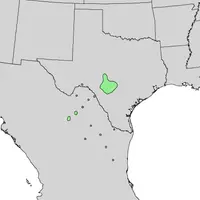
This species is native to central Texas and northern Mexico, where it grows on rocky slopes and limestone outcrops. Its slow to moderate growth rate and strong drought tolerance make it a reliable, low-maintenance choice once established.
The bark becomes attractively rough with age, and the foliage often develops soft gold tones in fall. It prefers full sun, well-drained soil, and dry to moderate moisture.
Gardeners who want to learn how to care for Lacey oak usually appreciate its resilience to heat and poor soils, provided drainage is good.

Care Difficulty
Easy Care

Light Preference
Full Sun

Water Requirements
Low Water

Temperature Preference
Cold Hardy

Hardiness Zone
7–10

Soil Texture
Sandy, Loamy, Rocky

Soil pH
Slightly acidic (6.5–7.0), Slightly alkaline (7.0–7.5)

Soil Drainage
Well-drained

Fertilization
Minimal (feed rarely)
Scan your plant to receive care tips personalized for your specific plant
Available on iOS and Android
This drought-tolerant Central Texas oak thrives in full sun but accepts some light shade.
This species prefers deep, infrequent watering once established, mirroring its native rocky habitats.
This oak is adapted to hot summers and cool winters, with good tolerance of typical Central and South US climates.
This species is adapted to dry air and does not have specific humidity requirements in typical outdoor conditions.
This oak prefers mineral, fast-draining soil that mimics its native rocky habitats.
This species can be grown in containers when young, mainly as a temporary training or nursery stage.
This drought-tolerant native oak usually needs little feeding once established in the ground.
Pruning Quercus laceyi focuses on structural health and safety rather than frequent shaping.
This oak is usually grown in the landscape, so guidance focuses on transplanting rather than long-term container culture.
Quercus laceyi is most often propagated from seed rather than vegetative methods.
Established trees are cold hardy in much of their range and usually need minimal winter attention.

Plant Health Check
Not sure what's wrong with your plant? Check your plant's health inside the app.
Lacey oak is native to a limited region of central Texas and adjacent northern Mexico, where it is especially characteristic of the limestone hills and canyons of the Edwards Plateau.
Its small, thick leaves often have a bluish or gray‑green cast and a shallowly lobed or wavy margin, giving the canopy a soft, finely textured appearance compared with many other North American oaks.
In parts of its range, this species can hybridize with related white oaks such as Quercus fusiformis, which sometimes makes wild trees difficult to identify based on leaf shape alone.

Despite being a relatively small oak compared with many eastern species, Lacey oak can live for several centuries in its native rocky habitats, contributing long-term structural stability and wildlife resources to dry woodland ecosystems.
This species grows slowly to moderately, typically adding about 20–30 cm of height per year once established. Growth is slower in poor, dry soils and a little faster in deep, well-drained, slightly alkaline ground.
Keep your plants happy and healthy with plant identification, disease detection, and easy care guidance.