Eastern Dogwood Care (Cornus florida 'Cherokee Chief')

Also known as: Flowering Dogwood, Red Flowering Dogwood, Dogwood

About Eastern Dogwood

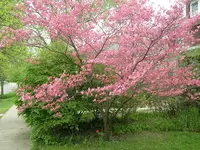
Cornus florida 'Cherokee Chief' is a small, deciduous flowering tree valued for its red flower bracts and compact, rounded form. It suits residential gardens, entryways, and mixed borders. Native dogwoods occur in eastern North America, and this cultivar was selected for stronger red color and good ornamental performance.

It typically grows with a layered branching habit and attractive fall foliage. The tree prefers a site with partial sun, evenly moist soil, and good drainage, and it resents very dry or waterlogged conditions. With suitable soil preparation and attention to siting, it is relatively straightforward to care for Eastern Dogwood in many temperate gardens.

Main Plant Requirements

Care Difficulty

Moderate Care

Light Preference

Partial Shade

Water Requirements

Moderate Water

Temperature Preference

Cold Hardy

Hardiness Zone

5–9

Soil Texture

Loamy, Sandy, Organic-rich

Soil pH

Acidic (5.5–6.5), Slightly acidic (6.5–7.0)

Soil Drainage

Moist but well-drained

Fertilization

Minimal (feed rarely)

Get Personalized Care Plan

Scan your plant to receive care tips personalized for your specific plant

Available on iOS and Android

How to Care for the Eastern Dogwood

This small flowering tree prefers bright conditions with some protection from harsh afternoon sun.

  • Provide 4–6 hours of direct morning sun with light afternoon shade; an east or northeast exposure suits Cornus florida 'Cherokee Chief' well.
  • Tolerates partial shade (as little as 2–3 hours of direct sun), but flowering and fall color are best with more light.
  • In hot summers, shield from intense sun between 1–5 p.m. to reduce leaf scorch; in cooler climates, it tolerates nearly full sun if soil stays moist.

This tree prefers consistently moist, well-drained soil rather than strict watering schedules.

  • Water when the top 3–5 cm of soil feels dry, applying a slow, deep soak to reach the full root zone rather than frequent shallow sprinkling.
  • During the first 2–3 years, increase checks in hot, dry weather; leaves drooping during the day and recovering at night usually indicate underwatering.
  • Avoid standing water or heavy clay without amendment; yellowing leaves, dieback, or persistent soggy soil suggest overwatering or poor drainage around Cornus florida 'Cherokee Chief'.

This deciduous tree is hardy in temperate climates with cold winters and warm summers.

  • Optimal growth occurs around 60–80°F (16–27°C) during the growing season, with cooler nights supporting healthy bud and flower development.
  • Established trees tolerate winter lows near -10°F (-23°C) with proper root mulch, but young plants benefit from protection from drying winds and sudden hard freezes.
  • In summer heat above 90°F (32°C), combine partial afternoon shade with consistent soil moisture to limit heat stress, leaf scorch, and premature leaf drop.

This dogwood handles a wide humidity range but prefers moderately moist air.

  • Aim for 40–60% humidity, which is typical of most outdoor garden conditions.
  • Dry air combined with heat can lead to marginal leaf scorch and quicker bud desiccation.
  • Mulch the root zone 5–8 cm deep and avoid hot, reflective sites to buffer low humidity stress.

This cultivar performs best in deep, moist, well-drained, slightly acidic soil.

  • Use a loamy structure with roughly equal parts garden loam, leaf mold or compost, and sharp sand for structure and aeration.
  • Target a pH of 5.5–6.5; in alkaline soils, incorporate elemental sulfur gradually and recheck pH.
  • Ensure excess water drains freely; raised beds or gently sloping sites help prevent root rot in Cornus florida 'Cherokee Chief'.
  • Avoid heavy, compacted clay or spots that stay waterlogged after rain, and break up any hardpan before planting.

This species is only moderately suitable for container growing and does best when kept in large, stable outdoor pots.

  • Choose a deep, wide container to accommodate its spreading root system and reduce rapid drying of the root zone.
  • Use a heavy, frost-resistant pot material to improve stability against wind and the top-heavy canopy.
  • Place the container where surface runoff cannot pool around the base, preventing saturation of the drainage layer.

Cornus florida 'Cherokee Chief' benefits from modest, well-timed feeding rather than heavy fertilization.

  • Apply a balanced slow-release fertilizer (around 10-10-10) once in early spring, just before new growth begins.
  • Use compost or leaf mold as a light top-dressing over the root zone to improve soil structure and mild nutrient supply.
  • Reduce or skip fertilization in late summer and winter to avoid stimulating tender growth before dormancy.
  • If using liquid feed, apply at half strength every 4–6 weeks in spring–early summer, only on moist soil.

Cornus florida 'Cherokee Chief' responds best to light, selective pruning that preserves its natural layered form.

  • Time pruning for late winter to very early spring, before buds break, or immediately after flowering if shaping is needed.
  • Remove dead, diseased, or crossing branches first, using clean, sharp bypass pruners or a pruning saw for thicker wood.
  • Thin congested interior shoots to improve air flow and light penetration, which supports better flowering and disease resistance.
  • Limit cuts to small branches, avoiding drastic heading back that can distort the classic horizontal branching habit.

This tree is usually grown in the ground; focus on careful transplanting rather than frequent repotting.

  • Plan major transplanting for early spring or early fall when temperatures are mild and the tree is not under heat stress.
  • Look for signs like roots circling a nursery container or poor growth, indicating it is time to move to a permanent site.
  • Dig a wide planting hole, set the root flare at or slightly above soil level, and backfill with native soil, not rich potting mix.
  • Water deeply after planting, apply 5–8 cm of mulch over the root zone, and keep the root ball evenly moist to reduce stress.

Cornus florida 'Cherokee Chief' is usually propagated by grafting, so home propagation is limited and often unreliable.

  • Softwood cuttings in early summer root under high humidity, bottom heat (20–24°C), and bright but indirect light.
  • Take 7–10 cm cuttings with 2–3 nodes, remove lower leaves, dip in rooting hormone, and place in a sterile, well-drained mix.
  • Seeds require cold stratification, meaning a moist chilling period of 90–120 days at about 1–5°C before spring sowing.

This cultivar is generally cold hardy in much of its range but benefits from simple winter care, especially when young.

  • Eastern Dogwood in its first 2–3 years appreciates a 5–8 cm mulch layer over the root zone, kept away from the trunk.
  • In colder zones, wrap young trunks with breathable tree wrap to limit sunscald and frost cracks.
  • Container-grown specimens should be moved into an unheated garage or sheltered spot where soil does not freeze solid.

Care Tips

Establish wide mulch

Apply a 5–8 cm layer of bark mulch in a wide ring out to the drip line, keeping it 5–8 cm away from the trunk, to buffer soil moisture and temperature and protect the shallow roots from compaction.

Protect trunk flare

Keep soil and mulch pulled back from the trunk flare so the base of the stem is visible, which reduces risk of rot, borers, and girdling roots as the tree matures.

Manage root competition

Avoid planting turfgrass or thirsty perennials directly under the canopy; instead, maintain a mulched bed so the fine feeder roots can access water and nutrients with less competition.

Prevent sunscald damage

In the first 2–3 years after planting, especially on exposed sites, wrap the lower trunk with a breathable tree guard each winter to reduce sunscald and frost crack on the bark.

Monitor for anthracnose

Check leaves and twigs every spring for tan spots with purple margins or dieback, promptly prune out infected material in dry weather, and improve air flow around the canopy as a core part of caring for Eastern Dogwood.

Common Pests and Diseases

Dogwood anthracnose

This disease causes tan to brown leaf spots with purple borders, blighted leaf edges, and dieback of twigs and branches, especially in cool, wet weather. Symptoms include thinning canopies and cankers on stems that may eventually girdle branches or the main trunk.

Solution

Prune out and destroy infected twigs and branches, cutting back into healthy wood, and rake and dispose of fallen leaves to reduce spores. Improve air circulation and tree vigor through proper watering and mulching, and in areas with a history of anthracnose, consider applying a labeled fungicide at bud break and during prolonged wet periods as part of broader Cornus florida 'Cherokee Chief' care instructions.

Dogwood powdery mildew

This disease produces white, powdery fungal growth on upper leaf surfaces, often followed by leaf curling, distortion, and early leaf drop. Symptoms include a dull, grayish cast over the canopy in mid to late summer.

Solution

Increase air circulation by selective thinning of interior branches and avoid overhead irrigation that keeps foliage damp at night. Remove heavily affected leaves from the ground and, if the problem recurs yearly, use a labeled systemic or protectant fungicide starting in late spring when conditions first turn warm and humid.

Spot anthracnose

This disease causes many small, round, reddish-purple spots on bracts and leaves, giving flowers a speckled or scorched appearance. Symptoms include cosmetic damage to spring bloom but rarely serious dieback.

Solution

Rake and remove infected bracts and leaves after bloom and in fall to reduce inoculum. Where spring is consistently cool and wet, consider a preventative fungicide spray at bud swell and again during peak bloom, and keep the tree well spaced from dense shrubs to promote faster drying after rain.

Dogwood borer

This pest is the larval stage of a clearwing moth that tunnels into the trunk and branches, especially through wounds or cankered areas. Symptoms include sawdust-like frass at the base or in bark cracks, along with branch dieback and general decline over time.

Solution

Prevent trunk wounds, avoid mechanical damage from mowers or trimmers, and keep the tree healthy to reduce susceptibility. For active infestations, consult a licensed arborist about using a labeled trunk or basal insecticide timed to adult moth activity, and prune out and destroy severely infested branches where practical.

Scales

These insects appear as small, fixed bumps on twigs and sometimes leaves, feeding on sap and weakening the tree. Symptoms include sticky honeydew, sooty mold on leaves, and gradual decline of vigor.

Solution

Prune out and discard heavily infested small twigs and improve tree vigor with correct watering and mulching. For remaining populations, treat with a dormant oil spray in late winter to smother overwintering scales, and in severe cases use a labeled systemic insecticide that targets sap-feeding insects while following all safety directions.

Interesting Facts

Distinct red bract color

This cultivar was selected for its deep rosy red floral bracts that develop richer color in cooler spring temperatures compared with typical white Cornus florida forms.

Reddish new foliage

Young leaves often emerge with a bronze to reddish tint before maturing to green, giving the tree added ornamental interest even when it is not in bloom.

Intense fall leaf display

In autumn, the foliage typically turns strong shades of crimson to burgundy, providing more saturated fall color than many seed-grown flowering dogwoods.

Botan icon

Did you know?

Cornus florida 'Cherokee Chief' originated in the United States as a chance seedling selected and named for its unusually dark red bracts, and it has since become one of the most widely planted red-flowering dogwood cultivars in American landscapes.

FAQs about Eastern Dogwood

Lack of blooms often comes from too much shade, heavy pruning of flower buds, drought stress, or excess nitrogen fertilizer. Late spring frosts can also kill buds. Improve site conditions and avoid pruning branch tips in summer.

Grow Healthy Plants with Botan Care

Keep your plants happy and healthy with plant identification, disease detection, and easy care guidance.


Botan plant care app — identify plants on mobile

Explore More Plants