Pyrenean Oak Care (Quercus pyrenaica)

Pyrenean Oak

About Pyrenean Oak

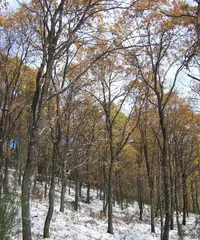
Pyrenean oak, Quercus pyrenaica, is a deciduous tree native to the Iberian Peninsula and parts of southwestern France. It naturally forms open woodlands and mixed forests on poor, often rocky soils.

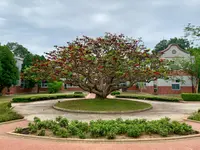
This species typically develops a broad, irregular crown with deeply lobed leaves that turn warm shades in autumn. Its bark becomes thick and corky with age, offering good fire resistance in its native habitats.

Quercus pyrenaica prefers sunny sites with well-drained, slightly acidic to neutral soils and moderate moisture. It is generally hardy and resilient once established, but young trees need thoughtful placement and watering, so understanding how to care for Pyrenean Oak helps it thrive in cultivation.

Main Plant Requirements

Care Difficulty

Moderate Care

Light Preference

Full Sun

Water Requirements

Moderate Water

Temperature Preference

Cold Hardy

Hardiness Zone

6–9

Soil Texture

Sandy, Loamy, Rocky

Soil pH

Acidic (5.5–6.5), Slightly acidic (6.5–7.0)

Soil Drainage

Well-drained

Fertilization

Minimal (feed rarely)

Get Personalized Care Plan

Scan your plant to receive care tips personalized for your specific plant

Available on iOS and Android

How to Care for the Pyrenean Oak

This deciduous oak prefers abundant direct light but copes with some seasonal shade.

  • Provide 6–8 hours of direct sun daily, ideally with strong morning sun and lighter afternoon exposure in hotter regions.
  • Young Pyrenean Oak trees benefit from light afternoon shade in areas with very hot summers to reduce leaf scorch and water stress.
  • In partial shade (around 4–5 hours of sun), expect slower growth and a more open crown; deep shade leads to weak, sparse branches.

This species prefers deep, infrequent watering once established, with soil allowed to dry between soakings.

  • In the ground, water deeply when the top 5–8 cm of soil are dry, ensuring moisture reaches 20–30 cm depth to encourage a strong root system.
  • Reduce watering in fall and winter, giving only enough to prevent complete drying and watching for dull, curling leaves as a sign of drought stress.
  • Avoid standing water or compacted, poorly drained soil; yellowing leaves, dieback, and persistent surface wetness indicate overwatering or poor drainage.

This hardy oak tolerates a wide temperature range once established, from cold winters to hot summers.

  • Optimal active growth occurs around 60–80°F (16–27°C), with best shoot and leaf development in mild spring and early summer conditions.
  • Mature trees can survive winter lows near 0°F (-18°C) or slightly below, but young plants benefit from protection during the first 2–3 winters.
  • In summer, it tolerates 90–100°F (32–38°C) if roots are mulched and soil moisture is adequate, though extreme, prolonged heat may slow growth.

This oak prefers relatively dry air and does not need elevated humidity.

  • Target 30–50% humidity, similar to typical outdoor air in many temperate regions.
  • Pyrenean Oak tolerates dry air well; leaf scorch is more often from drought or intense sun than low humidity.
  • If leaves brown at edges while soil is evenly moist, provide light wind protection rather than misting.

This species prefers deep, well‑drained, mineral soils that do not stay waterlogged.

  • Use a gritty, loam‑based mix such as 50% loam, 30% coarse sand, 20% well‑decomposed compost to support strong root anchorage.
  • Aim for slightly acidic to neutral pH around 6.0–7.0, avoiding strongly alkaline substrates that can limit nutrient uptake.
  • Improve drainage and aeration by incorporating coarse sand or fine gravel; avoid compacted or heavy clay that holds standing water.
  • For Quercus pyrenaica in containers, keep organic matter moderate so the mix stays open and does not collapse over time.

This oak can be grown in containers for several years, mainly as a young specimen or bonsai-style tree.

  • Choose a tall, heavy container that resists tipping, as the plant becomes top‑heavy with a woody trunk and canopy.
  • Select a pot material with stable walls, such as thick terracotta or concrete, to buffer temperature swings around the root zone.
  • Use a container mix that drains rapidly yet is weighty enough to anchor the root-ball, combining mineral grit with loam-based components.

This oak usually grows well in suitable soil but benefits from light feeding in poor or very depleted sites.

  • Apply a balanced slow-release NPK fertilizer at half strength once in early spring for young or nutrient-deficient trees.
  • Use a thin layer of well-rotted compost over the root zone annually to improve soil structure and microbial activity.
  • Avoid mid- to late-summer feeding so new growth hardens before winter, and do not fertilize during winter dormancy.
  • For container-grown Pyrenean Oak, use a dilute balanced liquid feed every 4–6 weeks during active growth only.

Quercus pyrenaica needs only modest structural pruning to maintain safety and a healthy crown.

  • Carry out main pruning in late winter to very early spring, before bud break, to limit stress and sap bleeding.
  • Remove dead, diseased, or storm-damaged branches first, then thin crossing or crowded shoots to improve airflow.
  • Use sharp, clean bypass pruners or a pruning saw, making cuts just outside the branch collar to aid healing.
  • Limit canopy reduction to small portions at a time to preserve the tree’s natural form and long-term vigor.

This oak is most often grown in the ground; focus on correct transplanting of young trees rather than frequent repotting.

  • Transplant container-grown or nursery stock in late fall or early spring when soil is workable and the tree is dormant.
  • Look for circling roots at drainage holes or serious slowdown in growth as cues that a young container tree needs a larger pot or planting out.
  • Handle the root ball gently, loosening only the outer circling roots, then set at the same soil depth in a wide planting hole.
  • Water deeply after planting, mulch the root zone, and keep soil evenly moist (not waterlogged) for the first 1–2 years to reduce transplant shock.

New plants are usually raised from seed, as vegetative methods are unreliable for this oak.

  • Collect healthy acorns in fall, discarding any that float in water, since this often indicates insect damage or emptiness.
  • Sow fresh acorns outdoors in deep containers or a nursery bed, 2–3 cm deep, in well-drained but moisture-retentive soil.
  • Provide cool stratification by leaving pots outdoors over winter or chilling moist acorns at 34–41°F for 6–8 weeks before spring sowing.
  • Protect germinating seedlings from rodents and intense sun, then gradually harden off before planting to their final position after 1–2 years.

Mature Quercus pyrenaica is cold hardy in most temperate climates and generally needs minimal winter care once established.

  • Apply 5–8 cm of organic mulch around the root zone in late fall, keeping it a few cm away from the trunk to prevent rot.
  • Young or newly planted trees benefit from a windbreak and trunk wrap in very exposed or high-freeze locations to limit bark damage.
  • Container-grown trees, if any, should be moved into a sheltered, unheated but frost-free area where the root ball does not freeze solid.

Care Tips

Mulch Root Zone

Apply a 5–8 cm layer of coarse, untreated wood chips or leaf mold around the dripline each year to keep roots cool, conserve moisture, and gradually improve the soil structure without piling mulch against the trunk.

Encourage Deep Roots

During the first 3–4 years, water less often but more deeply so moisture penetrates 30–45 cm into the soil, which trains the tree to develop a deep, drought-resilient root system instead of shallow, surface roots.

Manage Competing Vegetation

Keep a grass-free circle at least 60–90 cm wide around the young tree by hand weeding or using an organic mulch so the oak does not have to compete with turf for water and nutrients.

Protect Trunk And Bark

Install a breathable tree guard or mesh around the lower trunk for the first 5–7 years to prevent damage from rodents, string trimmers, or sunscald, while leaving enough space so the guard does not rub the bark.

Monitor For Oak Pests

Inspect foliage and small branches 2–3 times per growing season for leaf miners, caterpillars, and scale insects, and if populations build up, use targeted controls such as horticultural oil or Bacillus thuringiensis instead of broad-spectrum insecticides when caring for Pyrenean Oak.

Common Pests and Diseases

Oak powdery mildew

This disease causes a white, powdery coating on young leaves, shoots, and sometimes acorns, and is favored by warm days and cool, humid nights. Symptoms include distorted, stunted foliage and premature leaf drop in severe cases.

Solution

Prune and destroy heavily infected shoots to reduce inoculum and improve airflow through the canopy, and avoid overhead watering. In high-value trees, apply a labeled sulfur or potassium bicarbonate fungicide at the first signs of infection, repeating as directed during prolonged humid periods as part of broader Quercus pyrenaica care instructions.

Oak anthracnose

This disease leads to irregular brown blotches along leaf veins, leaf curling, and early defoliation in cool, wet springs. Symptoms include twig dieback on lower branches in severe seasons.

Solution

Rake and remove fallen leaves and small twigs to limit fungal spores, and promote good air circulation by selective pruning of dense inner branches. For young or stressed trees with recurring issues, a certified arborist can time systemic or protectant fungicide sprays to early leaf-out and repeat during extended wet weather.

Oak leaf gall wasps

These insects induce abnormal growths (galls) on leaves, buds, or twigs that can appear as small bumps, spiky balls, or felt-like patches. This pest usually causes cosmetic damage but can stress young trees when populations are high.

Solution

Prune and destroy heavily galled twigs and collect fallen galled leaves to reduce overwintering larvae, especially on young or newly planted trees. In most cases no chemicals are needed; focus on overall tree vigor through proper watering during dry spells and avoiding trunk or root damage to help the oak tolerate gall activity.

Gypsy moth

This pest defoliates trees by heavy feeding of caterpillars on leaves in late spring, sometimes stripping large sections of the canopy. Repeated severe defoliation can weaken Pyrenean oak and increase susceptibility to other stresses.

Solution

Monitor in spring for egg masses on bark and nearby structures and scrape them into soapy water before hatching, and encourage natural predators and parasitoids by maintaining habitat diversity around the tree. During outbreaks, targeted applications of Bacillus thuringiensis var. kurstaki (Bt) to young caterpillars can reduce damage, particularly on young or high-value trees.

Armillaria root disease

This disease is caused by Armillaria fungi in the soil, leading to canopy thinning, yellowing leaves, dieback of branches, and eventual decline. Symptoms include white fungal sheets under the bark at the root collar and clusters of honey-colored mushrooms at the base in autumn.

Solution

Remove severely affected trees and as much of the major root system as practical, and avoid replanting oaks or other susceptible species in the same spot for several years. Improve drainage, avoid chronic overwatering and soil compaction around the root zone, and support neighboring trees with proper watering and mulching to reduce stress and limit disease spread.

Interesting Facts

Fire-adaptive resprouter

This species often survives wildfires by resprouting vigorously from a lignotuber and root system, forming dense multi-stemmed coppice stands after burns.

Preferential acid-soil oak

It is strongly associated with acidic, often sandy or siliceous soils in western and central Iberia, and typically avoids the calcareous, lime-rich substrates that many other European oaks tolerate.

Key Iberian moth host

Its foliage is an important food source for caterpillars of several Iberian Lepidoptera (moths and butterflies), making it a locally significant component of native forest food webs and biodiversity.

Botan icon

Did you know?

Traditional charcoal production in parts of Spain and Portugal relied heavily on managed Pyrenean oak coppice, where stems were periodically cut on long rotations so the trees resprouted repeatedly from the same living root systems for many decades.

FAQs about Pyrenean Oak

Growth is moderate. Young trees typically add 20–40 cm in height per year under good conditions, slowing as they age. Adequate space, deep soil, and consistent moisture encourage stronger extension growth and trunk thickening.

Grow Healthy Plants with Botan Care

Keep your plants happy and healthy with plant identification, disease detection, and easy care guidance.

Botan plant care app — identify plants on mobile

Explore More Plants