Ramaria pallida Care

Ramaria pallida

About Ramaria pallida

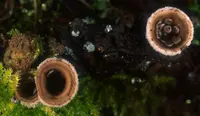
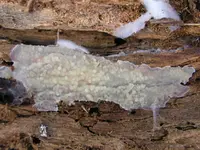
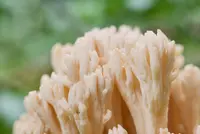
Ramaria pallida is a coral fungus, not a typical leafy plant. It forms dense, branched, coral-like clusters that range from pale cream to light pink. These fruiting bodies usually grow on soil or decaying wood in temperate forests, especially in Europe and parts of North America.

The species appears seasonally, often in late summer to fall, and does not adapt well to typical indoor or garden conditions. It is considered challenging to cultivate because it depends on complex relationships with soil and other organisms. For those interested in how to care for Ramaria pallida, the focus is usually on preserving suitable woodland habitat rather than conventional home cultivation.

Main Plant Requirements

Care Difficulty

Hard Care

Light Preference

Partial Shade

Water Requirements

Keep Soil Moist

Temperature Preference

Cool Climate

Hardiness Zone

Unknown

Soil Texture

Loamy, Organic-rich

Soil pH

Acidic (5.5–6.5)

Soil Drainage

Moist but well-drained

Fertilization

Minimal (feed rarely)

Get Personalized Care Plan

Scan your plant to receive care tips personalized for your specific plant

Available on iOS and Android

How to Care for the Ramaria pallida

This woodland fungus prefers low to moderate light that mimics a shaded forest floor.

  • Provide bright shade or dappled light, such as beneath deciduous trees with 1–3 hours of gentle morning sun and no harsh afternoon sun.
  • Ramaria pallida fruits best where direct sun is filtered through leaf litter, logs, or low vegetation, reducing surface drying and UV stress.
  • Avoid full, open sun exposure; prolonged strong light can dry the substrate, while deep, continuous shade may reduce fruiting density and size.

Moist, not saturated, conditions are essential for reliable fruiting and mycelium health.

  • Maintain consistently damp soil or decaying wood, allowing only the top 1–2 cm to start drying before re-moistening if conditions are under your control.
  • Ensure excellent drainage so water does not pool; standing water promotes rot, sulfurous odors, and collapse of fruiting bodies.
  • In dry or windy periods, gently mist the surrounding substrate rather than the coral tips directly to limit mechanical damage to Ramaria pallida.

This species favors cool to mild temperatures typical of shaded forest habitats.

  • Optimal fruiting usually occurs around 50–65°F (10–18°C), with mycelium growth possible in a slightly wider band when moisture is stable.
  • Short exposures down to about 32°F (0°C) may be tolerated in dormant mycelium, but repeated hard freezes can damage developing fruiting bodies.
  • Heat above 75°F (24°C), especially with low humidity, can dry the substrate quickly; partial shade and mulch help buffer temperature swings for better Ramaria pallida care instructions.

This fungus develops best in consistently moist, high-humidity environments similar to a damp forest floor.

  • Aim for 70–90% humidity, avoiding prolonged exposure below 50% which dries the substrate and suppresses fruiting.
  • Dry air leads to brittle, pale, or shrunken coral branches and aborted tips on Ramaria pallida clusters.
  • Increase humidity by enclosing the growing tray in a ventilated tent, using damp perlite around the substrate, or lightly misting the air rather than soaking the fungi.

Ramaria pallida is a mycorrhizal fungus that fruits in loose, organic-rich forest soil rather than standard potting mixes.

  • Use a deep, loose substrate rich in decayed leaf litter and well-rotted wood chips to mimic humus-rich woodland soil.
  • Ensure rapid drainage so water does not pool; the substrate should feel moist but never waterlogged or compacted.
  • Maintain slightly acidic conditions around pH 5.5–6.5, as more alkaline or heavily fertilized soils can suppress fungal development.
  • Improve aeration by mixing in coarse bark, chunky wood chips, or pine needle litter, while avoiding dense clay or fine, peat-heavy media.

This species is challenging but can be fruited in containers when conditions closely replicate a shaded forest-floor microhabitat.

  • Choose a wide, shallow tub or box so the substrate layer is 10–15 cm deep, allowing the mycelium to spread horizontally.
  • Drill extra side holes near the lower edges to release trapped moisture and prevent anaerobic pockets within the substrate.
  • Use opaque or dark containers to reduce light penetration and surface heating, which helps keep the fungal bed evenly cool and damp.

This wild coral fungus generally relies on natural forest nutrients rather than added fertilizer.

Ramaria pallida does not require conventional pruning, as it is a wild, short-lived fungal fruiting body rather than a woody plant.

This species is not suited to normal repotting or garden transplanting because it forms mycorrhizal associations with tree roots in undisturbed soil.

  • Transplant attempts usually fail, as the underground mycelium is finely integrated with the surrounding forest soil and host roots.
  • If study or identification is needed, collect only a small portion of the fruiting body and leave the base and soil intact.
  • Avoid disturbing the site; compaction or digging can damage the mycelial network and reduce future fruiting.
  • For those wishing to grow Ramaria pallida, focus on conserving suitable woodland habitat rather than container culture.

Propagation of this coral fungus is specialized and not practical for home growers.

No specific winter care is applicable, as this wild fungus fruits seasonally and persists mainly as underground mycelium.

Care Tips

Sterilize Growing Medium

Before introducing mycelium, pressure-cook or oven-sterilize the substrate to reduce competing fungi and bacteria, which is essential for consistent Ramaria pallida plant care in small indoor setups.

Use Fine Particle Substrate

Choose a substrate blend with small, uniform particles (e.g., finely chipped hardwood and well-aged leaf mold) to support even mycelial colonization and reduce dry pockets that stunt fruiting bodies.

Manage Air Exchange

Provide gentle but regular fresh air exchange with a small fan on a low setting outside the container, reducing carbon dioxide buildup that can cause elongated, weak coral branches.

Careful Harvest Technique

Cut fruiting bodies at the base with a clean, sharp knife rather than pulling, so the underlying mycelium remains intact and ready for future flushes.

Rotate Fruiting Trays

Rotate trays or containers 90° every 1–2 days during active fruiting so coral clusters develop more evenly and are less prone to leaning or collapsing on one side.

Common Pests and Diseases

Mycophagous springtails

These insects feed on fungal tissue and can graze young coral tips, especially in damp culture setups. Symptoms include roughened, nibbled branch surfaces and small jumping insects in the substrate.

Solution

Reduce excessive surface moisture, increase airflow, and avoid overfeeding organic substrates. If numbers are high, use sticky traps and gently flood-rinse the container edges, then allow the substrate surface to dry slightly between waterings while still maintaining the humidity needed for growing Ramaria pallida.

Fungal gnat larvae

This pest develops in very moist, organic substrates and the larvae can damage developing fruiting bodies at the base. Symptoms include thinning, collapsing branches and small black gnats flying around the culture area.

Solution

Allow the upper substrate layer to dry slightly between misting cycles, use fine-mesh covers on vents, and apply a biological control such as Bacillus thuringiensis var. israelensis (BTI) in the watering solution according to label directions. Remove heavily damaged clusters and improve drainage to limit future larval development.

Bacterial soft rot

This disease causes localized water-soaked spots on branches that rapidly turn soft, slimy, and discolored. Symptoms include a sour or unpleasant odor, with tissue collapsing into a wet mass.

Solution

Promptly remove and discard all affected fruiting bodies and any adjacent substrate showing slime or odor. Improve air exchange, reduce direct misting on the coral surface, and sanitize tools and containers with a dilute bleach solution (about 10%) before reuse to limit reinfection.

Green Trichoderma mold

This disease arises as a fast-growing contaminant on substrate or near the base of the coral fungus, forming white mycelium that soon turns bright to dark green. Symptoms include stalled or deformed coral growth and patches of dense green spores on the substrate surface.

Solution

Carefully cut out and discard contaminated substrate and affected clusters, avoiding disturbance that spreads spores. Lower excess moisture, increase fresh air exchange, and prepare future substrates with proper pasteurization or sterilization; clean the growing area thoroughly between cycles to prevent recurring contamination.

Competing saprophytic molds

These fungi colonize the same substrate and outcompete the coral fungus, leading to poor or patchy fruiting. Symptoms include zones of gray, brown, or black mold over the substrate and reduced or twisted coral branches emerging only in small areas.

Solution

Discard heavily overrun substrates and start with fresh, well-prepared material using clean tools and containers. For mild early contamination, remove affected patches, slightly increase temperature and airflow within the appropriate range for the species, and avoid overwatering to favor healthy Ramaria pallida mycelium over competitors.

Interesting Facts

Pale coral morphology

This species forms densely branched, coral-like fruiting bodies in pale cream to pinkish hues, distinguishing it from the more vividly colored Ramaria species often found in similar habitats.

Subtle bruising reaction

When handled, its branches may show only faint or slow color changes, which mycologists use along with microscopic features like spore ornamentation to separate it from closely related pale coral fungi.

Mixed forest preference

It is most often recorded in temperate mixed woodlands, where it fruits on soil rich in decaying plant material, often under broadleaf trees but sometimes also near conifers, reflecting a relatively flexible habitat preference.

FAQs about Ramaria pallida

Identification of this coral fungus is difficult, and similar species can be toxic or cause digestive upset. It is not recommended as an edible mushroom unless confirmed by a qualified mycologist and local expert guidelines.

Grow Healthy Plants with Botan Care

Keep your plants happy and healthy with plant identification, disease detection, and easy care guidance.

Botan plant care app — identify plants on mobile

Explore More Plants