Mulch Root Zone
Maintain a 5–8 cm layer of pine bark or pine needle mulch over the root zone, keeping it 3–5 cm away from the stems, to stabilize soil moisture and temperature and protect the shallow feeder roots from heat and frost.

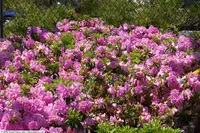
Evergreen azalea Rhododendron 'Elsie Lee' is a compact, bushy shrub valued for its dense foliage and generous spring bloom. It stays leafy year-round, forming a low, rounded mound that fits well in small gardens and foundation plantings.
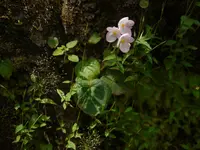
This cultivar produces soft lavender to light purple flowers with a full, somewhat ruffled look, creating a strong color display against its small, dark green leaves. It was bred from species native to East Asia, where azaleas typically grow in woodland or mountain environments.
Its preference for acidic, well-drained soil and consistent moisture can make it slightly demanding in unsuitable ground, but it responds well when these needs are met. Understanding how to care for Evergreen Azalea starts with providing partial shade and protection from harsh afternoon sun.

Care Difficulty
Moderate Care

Light Preference
Partial Shade

Water Requirements
Keep Soil Moist

Temperature Preference
Cool Climate

Hardiness Zone
5–8

Soil Texture
Loamy, Peaty, Organic-rich

Soil pH
Strongly acidic (4.5–5.5), Acidic (5.5–6.5)

Soil Drainage
Moist but well-drained

Fertilization
Light (every 4–6 weeks)
Scan your plant to receive care tips personalized for your specific plant
Available on iOS and Android
Rhododendron 'Elsie Lee' grows best in bright, indirect light with protection from harsh midday sun.
Rhododendron 'Elsie Lee' prefers evenly moist, never soggy soil with consistent moisture around the root zone.
This rhododendron prefers cool to mild conditions and tolerates winter cold when properly sited and mulched.
This cultivar prefers consistently cool, moderately humid air to support healthy buds and foliage.
Rhododendron 'Elsie Lee' needs acidic, airy, moisture-retentive but sharply draining soil.
This azalea is well suited to container growing outdoors in cool to mild climates.
Rhododendron 'Elsie Lee' benefits from light, targeted feeding rather than heavy fertilization.
Pruning Rhododendron 'Elsie Lee' is mainly about light shaping and health maintenance after flowering.
This shrub is usually grown in-ground, so focus on careful transplanting or infrequent container repotting.
Rhododendron 'Elsie Lee' is most often propagated vegetatively to maintain cultivar traits.
This evergreen azalea is moderately cold hardy but benefits from simple winter protection in colder areas.

Plant Health Check
Not sure what's wrong with your plant? Check your plant's health inside the app.
This cultivar produces semi-double to double, hose-in-hose lavender flowers with ruffled petals, a floral form that originated from deliberate hybridization rather than occurring in wild rhododendron populations.
It was bred to keep its small evergreen leaves and flower reliably in USDA zones around 6–8, making it more cold-tolerant than many older evergreen azalea selections with similar flower color.
In many temperate gardens it typically flowers in mid-spring, helping bridge the gap between early-flowering azaleas and later-blooming rhododendrons, so it is often used to extend the overall rhododendron display period.
Lack of flowers often results from pruning too late, removing flower buds, or from insufficient light and low phosphorus. Buds can also fail after drought, root damage, or late frosts that injure developing flower buds.
Keep your plants happy and healthy with plant identification, disease detection, and easy care guidance.