Encourage Compact Growth
Pinch back soft shoot tips once they have 3–4 leaves to keep plants low, dense, and better able to support their own foliage without flopping.

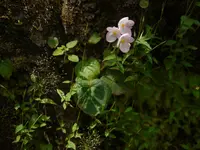
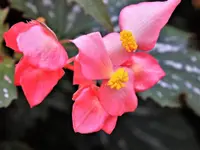
The common begonia, Begonia crenata, is a compact, herbaceous plant grown mainly for its decorative foliage and seasonal flowers. It is typically low-growing with fleshy stems and asymmetrical leaves, often forming a dense, bushy clump.
This species occurs naturally in tropical regions of Africa, where it usually grows in shaded, humid forest edges and rocky slopes. Its preference for moderate light, stable warmth, and even moisture makes it manageable indoors if kept away from strong sun and cold drafts.
These traits mean it can adapt well to containers, provided the soil drains freely and the roots are not waterlogged. Understanding these basic needs helps clarify how to care for common begonia without constant intervention.

Care Difficulty
Moderate Care

Light Preference
Partial Shade

Water Requirements
Moderate Water

Temperature Preference
Tropical / Frost Sensitive

Hardiness Zone
10–11

Soil Texture
Loamy, Peaty, Organic-rich

Soil pH
Acidic (5.5–6.5), Slightly acidic (6.5–7.0)

Soil Drainage
Moist but well-drained

Fertilization
Light (every 4–6 weeks)
Scan your plant to receive care tips personalized for your specific plant
Available on iOS and Android
Begonia crenata needs bright but gentle light to keep leaves compact and flowering steady.
Begonia crenata prefers evenly moist, fast-draining soil that never stays soggy.
This species grows best in warm, frost-free conditions with stable temperatures.
This species benefits from moderately high air humidity for stable growth.
Begonia crenata prefers a light, airy, organic-rich substrate that drains quickly yet holds some moisture.
This species is well suited to container growing when moisture and stability are managed carefully.
Begonia crenata benefits from light, steady feeding during its active growing season.
Begonia crenata responds well to modest, targeted pruning to keep plants compact and healthy.
Container-grown Begonia crenata needs occasional repotting to maintain healthy root growth and substrate quality.
Begonia crenata is commonly propagated from stem cuttings and, less often, by seed or division.
Begonia crenata is frost-sensitive and needs thoughtful winter care in temperate climates.

Plant Health Check
Not sure what's wrong with your plant? Check your plant's health inside the app.
This species is native to shaded, humid forest understories in tropical West and Central Africa, where it grows on moist, organic-rich soils along streams and on slopes.
Its species name crenata refers to the clearly scalloped or crenate margins of the leaves, which help distinguish it from many other African begonias with smoother or more toothed edges.
The plant bears separate male and female flowers on the same individual, a condition known as monoecy, which allows a single plant to contribute both pollen and ovules in a population.
Yellowing leaves usually result from overwatering, poor drainage, or sudden temperature drops. Check that the pot drains freely, empty saucers, and let the top layer of soil dry slightly between waterings. Remove severely yellow leaves to reduce stress.
Keep your plants happy and healthy with plant identification, disease detection, and easy care guidance.