sea campion Care (Silene uniflora)

sea campion

About sea campion

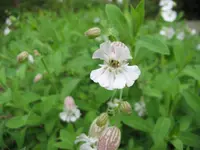
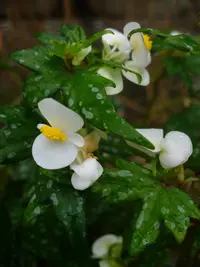
Sea campion, Silene uniflora, is a low, tuft-forming perennial often grown in rock gardens, coastal plantings, and crevice gardens. It forms compact mounds of blue-green foliage topped with white, balloon-like flowers on slender stems.

This species is native to rocky sea cliffs and coastal areas of Europe, where it tolerates wind, salt spray, and poor, stony soils. These natural adaptations make it relatively easy to grow in well-drained, gritty substrates and sunny, open sites.

Gardeners who want to learn how to care for sea campion usually find it undemanding if given sharp drainage and protection from heavy, lingering moisture around the roots.

Main Plant Requirements

Care Difficulty

Easy Care

Light Preference

Full Sun

Water Requirements

Low Water

Temperature Preference

Cold Hardy

Hardiness Zone

4–8

Soil Texture

Sandy, Loamy, Rocky

Soil pH

Slightly acidic (6.5–7.0), Neutral (7.0)

Soil Drainage

Well-drained

Fertilization

Minimal (feed rarely)

Get Personalized Care Plan

Scan your plant to receive care tips personalized for your specific plant

Available on iOS and Android

How to Care for the sea campion

This coastal perennial prefers bright, open conditions but is more tolerant of wind and salt than intense heat.

  • Provide 6–8 hours of sun daily, ideally with morning sun and light afternoon shade in hotter inland areas to prevent leaf scorch.
  • Tolerates light or dappled shade, but flowering of sea campion decreases noticeably if it receives less than about 4–5 hours of direct sun.
  • In cooler coastal climates, full sun all day is suitable; in summer heatwaves, temporary shade cloth or nearby taller plants can reduce stress and bleaching.

This species prefers slightly dry, free-draining conditions and is very sensitive to standing water.

  • Allow the top 3–5 cm of soil to dry between waterings, then water thoroughly so it drains quickly through the soil profile.
  • In spring and early summer, water Silene uniflora a bit more often during active growth; reduce watering in late summer and winter, especially in rainy climates.
  • Watch for yellowing, soft stems as a sign of overwatering and root rot risk, while limp, crisp foliage and shrinking clumps indicate underwatering.

This hardy coastal plant tolerates a wide temperature range but performs best in cool to mild conditions.

  • Optimal growth occurs around 55–70°F (13–21°C), typical of mild coastal spring and early summer conditions.
  • Mature plants usually survive down to about 0–5°F (-18 to -15°C) with good drainage, but extended freeze-thaw cycles in wet soil increase loss risk.
  • Tolerates short periods up to 80–86°F (27–30°C) if soil is not waterlogged; in hotter inland summers, extra shade and airflow help reduce heat stress.

Humidity is not a major factor for Silene uniflora, which naturally thrives in exposed, coastal conditions.

Silene uniflora prefers very free-draining, gritty soil that mimics its rocky coastal habitat.

  • Use a sandy or gritty mix, such as 50–70% coarse sand or grit blended with low-organic potting soil.
  • Ensure rapid drainage; water should pass through the soil within seconds and not pool on the surface.
  • Keep pH slightly alkaline to neutral (pH 7.0–8.0) by incorporating a small amount of crushed limestone or garden lime if needed.
  • Avoid heavy clay, peat-heavy, or compacted mixes that retain water and reduce root aeration, which encourages rot.

This species is well suited to container growing, especially in shallow, free-draining pots and troughs.

  • Choose a wide, shallow container to accommodate its spreading mat while keeping the root zone relatively shallow and well aerated.
  • Elevate the pot on feet or bricks so drainage holes stay clear and excess water runs off quickly after rain or watering.
  • Use a heavy or stable container material in windy sites to prevent the plant’s spreading top growth from tipping the pot.

Silene uniflora thrives in lean, well-drained soil and generally needs only light feeding.

  • Apply a thin layer of compost or a low-dose balanced NPK fertilizer (e.g., 5-5-5) once in early spring for growing sea campion.
  • Use slow-release granules at half strength, worked lightly into the topsoil and watered in well.
  • Avoid summer and winter overfeeding, which encourages weak, floppy growth and reduces flowering.

Pruning Silene uniflora is straightforward and helps maintain a neat, floriferous cushion.

  • In late spring and again after main flowering, shear back spent flower stems to encourage fresh blooms and compact growth.
  • Remove dead, damaged, or diseased shoots at the base with clean, sharp scissors or hand pruners.
  • Thin congested patches lightly to improve air flow and reduce the risk of fungal problems.

This species is more often transplanted in rock gardens or borders than repotted in containers.

  • Transplant in early spring or early fall when temperatures are mild and soil is workable.
  • Look for roots circling the container, slow growth, or quick drying soil as signs that a potted plant needs a larger home.
  • Move into only a slightly bigger pot or planting hole with very free-draining, gritty soil to mimic its natural habitat.
  • Water in gently, keep evenly moist (not wet) for 1–2 weeks, and shade from harsh sun to limit root stress.

Silene uniflora is commonly propagated by seed, softwood cuttings, or division.

  • Sow fresh seeds in spring on the surface of gritty mix, keep at 60–68°F, and maintain light, even moisture until germination.
  • Take non-flowering softwood cuttings in late spring, insert into sandy mix, and keep humid with bright, indirect light.
  • Divide mature clumps in early spring or fall, replant divisions immediately, and water to settle soil around roots.

Silene uniflora is generally cold hardy and usually needs minimal winter care in temperate climates.

  • Plants in the ground tolerate frost well if soil drains freely and does not stay waterlogged.
  • Apply a light gravel or bark mulch around the crown in late fall to reduce freeze–thaw heaving.
  • Move containers to a sheltered, unheated spot and keep soil barely moist to prevent root damage.

Care Tips

Improve drainage profile

If planting in heavier soil, mound the planting area 5–10 cm above the surrounding ground with gritty mix or gravel to keep the crown dry and reduce winter rot risk when growing sea campion.

Edge and rock placement

Position plants at the top edge of walls, steps, or rocks so that stems can naturally trail and dry quickly after rain, which reduces fungal problems and keeps the cushion compact.

Targeted deadheading

Shear off spent flower stalks lightly with scissors or shears, leaving the leafy cushion intact, to encourage a neater dome and a lighter flush of repeat blooms without stressing the plant.

Winter wet protection

In areas with wet winters, lay a loose layer of coarse grit or small gravel around but not over the crown in late fall to reduce water pooling and crown rot while still allowing full air flow.

Renew aging clumps

Every 3–4 years, lift and split only the healthiest outer sections of older mats in early spring, replanting small vigorous pieces and discarding woody centers to maintain dense, floriferous cushions.

Common Pests and Diseases

Leaf spot

This disease causes small brown or tan spots on older leaves, sometimes with a darker edge and a thin yellow halo. Symptoms include gradual yellowing and premature drop of affected foliage, especially in humid or overcrowded plantings.

Solution

Remove and dispose of spotted leaves, avoid overhead watering, and thin surrounding vegetation to improve airflow. If leaf spot continues to spread in wet weather, apply a copper-based or chlorothalonil fungicide labeled for ornamental perennials, following instructions closely and avoiding spray drift onto nearby water bodies, which is important when growing sea campion in coastal gardens.

Powdery mildew

This disease appears as a fine white or gray powder on leaves and stems, which can make foliage look dull and distorted. Symptoms include reduced vigor and early leaf drop in dense or shaded clumps.

Solution

Increase light and airflow around the plant, water at the base in the morning, and remove badly affected shoots. If needed, use a sulfur or potassium bicarbonate fungicide labeled for ornamental plants, repeating applications as directed during prolonged warm, dry periods that favor powdery mildew.

Aphids

These insects cluster on young shoots and flower stems, sucking sap and causing curling, distortion, and sticky honeydew on nearby leaves. This pest can attract sooty mold and may stunt new growth if colonies are heavy.

Solution

Dislodge aphids by spraying the plant with a firm stream of water, then pinch off or trim heavily infested shoot tips. For persistent infestations, apply insecticidal soap or a light horticultural oil, making sure to coat the undersides of leaves and repeating at 5–7 day intervals until populations decline.

Red spider mites

This pest is a tiny sap-sucking mite that causes fine speckling, dulling, and bronzing of the foliage, often with delicate webbing in dry, hot conditions. Symptoms include slowed growth and a tired, dusty look to the entire clump.

Solution

Rinse foliage thoroughly with water, focusing on the undersides of leaves, and repeat several times per week to disrupt the mites. If damage continues, use a horticultural oil or a miticide labeled for ornamental plants, and reduce stress by avoiding drought and extreme heat buildup around the plant.

Botrytis blight

This disease produces soft, water-soaked patches on leaves, stems, or flower buds that quickly develop a fuzzy gray mold, especially in cool, damp weather. Symptoms include collapse of tender growth and rotting of spent flowers left on the plant or soil surface.

Solution

Remove and discard all affected plant parts and any decaying flower debris, then improve drainage and airflow around the crown. Avoid overhead watering, especially late in the day, and consider a preventive application of a botrytis-effective fungicide during extended cool, wet periods if the plant has a history of this problem.

Interesting Facts

Salt-tolerant cliff specialist

This species naturally grows on sea cliffs, shingle beaches, and coastal rocks, showing high tolerance to salty spray and thin, nutrient-poor soils where many other plants cannot survive.

Inflated seed capsules

After flowering, it forms distinctive, balloon-like calyces (the papery outer casing of the flower) that dry and rattle in the wind, helping protect the developing seeds from harsh coastal conditions.

Coastal insect resource

Its nectar-rich white flowers open fully in good light and attract a range of coastal pollinators, including moths, bees, and small flies that depend on it where few other flowering plants are present.

Botan icon

Did you know?

In parts of northwestern Europe, this species is considered an important indicator of relatively undisturbed maritime habitat, so botanists use its presence to help map and monitor the health of natural coastal ecosystems.

FAQs about sea campion

This species performs best outdoors in sunny, well‑drained, often coastal or rock garden sites. Sea campion indoor care is challenging because typical rooms are warmer, less bright, and lack the strong air movement it naturally prefers.

Grow Healthy Plants with Botan Care

Keep your plants happy and healthy with plant identification, disease detection, and easy care guidance.

Botan plant care app — identify plants on mobile

Explore More Plants