white goldenrod Care (Solidago bicolor)

Also known as: silverrod
white goldenrod

About white goldenrod

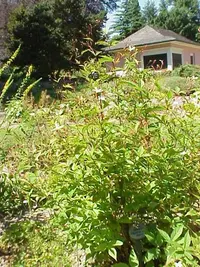
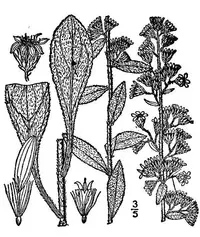
White goldenrod, Solidago bicolor, is a perennial wildflower in the aster family, valued for its late-season white flower clusters. It forms upright clumps with slender stems and narrow green leaves, often reaching a modest height and creating a light, airy look.

This species is native to eastern North America, where it grows in open woods, dry fields, and along roadsides. It is generally hardy, tolerant of poor soils, and attractive to pollinators, which makes it relatively easy to establish.

In garden settings, it typically prefers full sun to light shade and well-drained, moderately dry soil. Understanding these basic needs makes it simpler to care for white goldenrod in low-maintenance plantings.

Main Plant Requirements

Care Difficulty

Easy Care

Light Preference

Full Sun

Water Requirements

Moderate Water

Temperature Preference

Cold Hardy

Hardiness Zone

3–8

Soil Texture

Sandy, Loamy, Rocky

Soil pH

Acidic (5.5–6.5), Slightly acidic (6.5–7.0)

Soil Drainage

Well-drained

Fertilization

Minimal (feed rarely)

Get Personalized Care Plan

Scan your plant to receive care tips personalized for your specific plant

Available on iOS and Android

How to Care for the white goldenrod

This species thrives in open sites with direct sun for strong stems and abundant flowering.

  • Provide 6–8 hours of full sun daily; morning and midday sun produce the best flowering for white goldenrod.
  • Accepts light partial shade, especially with 3–4 hours of direct morning sun plus bright open sky for the rest of the day.
  • In dense shade, plants stretch and flower poorly; in very hot regions, slight afternoon shade reduces leaf scorch and moisture stress in late summer.

This prairie-edge perennial prefers evenly moist, not saturated, soil once established outdoors.

  • Allow the top 3–5 cm of soil to dry between rains or irrigations, then water deeply so moisture penetrates at least 15–20 cm.
  • Solidago bicolor tolerates short dry spells; foliage wilting by late afternoon that recovers overnight signals mild drought, while crisp leaves and stalled growth indicate prolonged dryness.
  • Ensure sharply draining soil or raised beds to prevent soggy roots, yellowing lower leaves, and dieback, especially in cool, wet spring periods.

This hardy perennial is adapted to temperate climates with cold winters and warm summers.

  • Best growth occurs around 65–80°F (18–27°C), which supports sturdy stems and reliable late-season flowering.
  • The plant is cold hardy to about -20°F (-29°C) once established; winter dormancy protects underground crowns from freeze damage.
  • Tolerates summer heat to about 90–95°F (32–35°C) if soil moisture is adequate; extended extreme heat with drought can shorten the bloom period and stress plants.

Humidity is rarely a concern for this hardy, outdoor perennial.

This species thrives in lean, well-drained mineral soils and tolerates relatively poor fertility.

  • Use a sandy or sandy-loam texture with 20–30% coarse sand or grit to keep the profile open.
  • Ensure rapid drainage; water should clear the surface within a few minutes after thorough watering.
  • Keep pH slightly acidic to neutral, around 6.0–7.0, which suits most Solidago bicolor stands.
  • Avoid heavy clay, compacted areas, or mixes dominated by peat that stay wet and exclude air from roots.

This species can be grown in containers if those containers are managed to stay free-draining and stable.

  • Choose a deep, heavy pot that resists tipping as the tall stems and flower clusters make the plant top-heavy in wind.
  • Fill the container with a gritty, fast-draining mix so water flushes quickly, preventing root stress during summer storms.
  • Position the pot where it is sheltered from strong gusts that could rock the container and loosen roots in the substrate.

This native perennial needs only light feeding in typical garden soil, so focus on modest nutrition rather than heavy fertilizer use.

  • Apply a thin layer of compost around plants in early spring to support steady growth of white goldenrod.
  • If soil is poor, use a balanced slow-release fertilizer (around 10-10-10) once in spring at label-recommended rates.
  • Avoid high-nitrogen products that cause floppy, overly lush stems and fewer flowers.
  • Do not feed in late fall or winter, when the plant is dormant and not actively growing.

Pruning helps Solidago bicolor stay tidy, encourages branching, and can improve flowering the following year.

  • Cut back spent flower stems in late fall or very early spring to keep the clump neat and reduce self-seeding.
  • Remove dead, damaged, or diseased stems at ground level using clean, sharp pruners or shears.
  • Thin out overcrowded shoots to improve air movement and reduce foliar disease risk.
  • In early summer, lightly shear tall stems by 5–10 cm to encourage bushier growth and slightly shorter plants.

This species is usually grown in the ground, so focus on dividing and transplanting clumps rather than frequent repotting.

  • Transplant or divide in early spring or early fall, when weather is cool and soil moisture is reliable.
  • Look for crowded clumps, reduced flowering, or bare centers as signs the plant benefits from lifting and division every 3–4 years.
  • Dig widely around the root mass, lift gently, and split into sections with several shoots and healthy roots each.
  • Replant divisions at the same depth, water thoroughly, and keep soil evenly moist for 1–2 weeks to limit transplant shock.

Solidago bicolor is commonly propagated by division, with seeds as a secondary option for larger-scale planting.

  • Divide mature clumps in early spring or early fall, ensuring each division has several shoots and firm roots.
  • Replant divisions promptly in prepared soil, then water well and maintain consistent moisture until new growth establishes.
  • For seed propagation, sow in late fall outdoors or provide 4–6 weeks of cold stratification before spring sowing.
  • Use a free-draining seed mix, keep it lightly moist, and provide full sun to support strong seedling development.

This hardy perennial tolerates freezing winters in most temperate regions and usually needs minimal winter care.

  • After hard frost, stems can be cut back to 5–10 cm or left standing for wildlife interest and then trimmed in late winter.
  • Apply a 5–8 cm mulch layer around the root zone in colder climates to moderate soil temperature and moisture.
  • Container-grown plants are more exposed; move pots to a sheltered, unheated area and prevent the soil from drying out completely.

Care Tips

Staking in Wind

In open or windy sites, install discreet stakes and loosely tie stems with soft garden ties at 20–30 cm intervals to keep the tall, slender flowering stalks from lodging or snapping.

Clump Renewal

Every 3–4 years, lift and divide dense clumps in early spring, replanting only the most vigorous outer sections to maintain strong flowering and limit overcrowding.

Self-Seed Management

If natural spread is not desired, shear off spent flower heads before seed set in late fall, but leave some stems standing over winter if you want modest self-seeding and wildlife value.

Targeted Dead Zones

If the center of the clump becomes thin while the edges stay dense, remove the weak central crowns and backfill with compost or replant healthy divisions to keep the stand full and uniform.

Early Pest Monitoring

From late spring, inspect stems and flower buds weekly for aphids or leaf-chewing insects and wash small infestations off with a strong water spray before considering selective insecticidal treatment, which keeps interventions minimal when caring for white goldenrod.

Common Pests and Diseases

Rust

This disease causes small orange to brown pustules on leaf undersides, often leading to yellowing and early leaf drop in late summer to fall.

Solution

Remove and discard heavily infected leaves to reduce spore spread, avoid overhead watering, and space plants to improve airflow; in severe or recurring cases, apply a sulfur or chlorothalonil-based fungicide labeled for ornamental perennials according to label directions.

Powdery mildew

This disease produces a white, powdery coating on leaves and stems, often appearing in late summer during warm days and cool, humid nights.

Solution

Thin and divide crowded clumps to increase air circulation, water at soil level early in the day, and if needed use a neem oil or potassium bicarbonate product labeled for powdery mildew on ornamentals, covering all leaf surfaces.

Leafhoppers

These insects suck sap from leaves, causing pale speckling, leaf curling, and sometimes transmitting aster yellows in Solidago stands.

Solution

Use a firm spray of water to dislodge nymphs from stems, maintain diverse plantings to encourage natural predators like spiders and predatory bugs, and if populations remain high apply an insecticidal soap or pyrethrin product in the evening when pollinators are less active.

Goldenrod bunch gall

This pest is caused by the goldenrod gall midge, leading to swollen, clustered stem tips where normal elongation is replaced by tight rosettes of distorted leaves.

Solution

Prune out and discard galled stem tips during the growing season or in late winter before adults emerge, and encourage plant vigor through full sun and well-drained soil to reduce visual impact while continuing to grow Solidago bicolor in naturalized plantings.

Aster yellows

This disease, caused by a phytoplasma spread by leafhoppers, leads to stunted growth, deformed flower clusters, and green, malformed florets that fail to set normal seed.

Solution

Promptly remove and destroy symptomatic plants to limit the local pathogen reservoir, control leafhopper populations on nearby ornamentals with insecticidal soap where pressure is high, and avoid moving suspect plant material or tools between healthy stands during the growing season.

Interesting Facts

Unusual white flowers

Unlike most goldenrods with yellow blooms, this species has mostly white ray florets with a slight yellow center, which makes it stand out in late-summer and fall meadows.

Specialist insect partners

It hosts several specialist insect herbivores and gall-forming insects that use it as a primary or exclusive food plant, making it an important part of local invertebrate diversity.

Acidic soil preference

This species often grows on dry, acidic, sandy or rocky soils in pine barrens and open woods, tolerating conditions where many other forbs struggle.

Botan icon

Did you know?

The species epithet bicolor refers to the two-toned appearance of its flower heads, where the white outer florets contrast with the yellowish disc florets at the center.

FAQs about white goldenrod

This species spreads by seed and short rhizomes, but it is usually clump-forming rather than aggressively running. In average garden conditions it expands gradually, and unwanted seedlings can be controlled easily with hand-pulling or light hoeing.

Grow Healthy Plants with Botan Care

Keep your plants happy and healthy with plant identification, disease detection, and easy care guidance.

Botan plant care app — identify plants on mobile

Explore More Plants