Arabian Star-flower Care (Ornithogalum arabicum)

Also known as: Tall star-of-Bethlehem, Lesser Cape Lily
Arabian Star-flower

About Arabian Star-flower

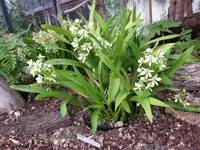
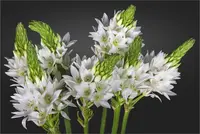
Arabian star-flower, Ornithogalum arabicum, is a bulb-forming perennial grown mainly for its star-shaped white flowers with striking black centers. It sends up sturdy, leafless flowering stems above a low clump of broad, strap-like leaves, giving a clean, architectural look in pots or borders.

This species is native to the eastern Mediterranean region and parts of the Middle East, where it grows in mild, dry summer climates with well-drained soils. It is generally considered easy to moderate to grow, as it dislikes heavy, wet conditions and benefits from a dry rest after flowering. For those learning how to care for Arabian Star-flower, it prefers bright light, good drainage, and protection from prolonged frost.

Main Plant Requirements

Care Difficulty

Easy Care

Light Preference

Full Sun

Water Requirements

Moderate Water

Temperature Preference

Warm Climate

Hardiness Zone

7–10

Soil Texture

Sandy, Loamy, Organic-rich

Soil pH

Slightly acidic (6.5–7.0), Neutral (7.0)

Soil Drainage

Well-drained

Fertilization

Minimal (feed rarely)

Get Personalized Care Plan

Scan your plant to receive care tips personalized for your specific plant

Available on iOS and Android

How to Care for the Arabian Star-flower

This bulb prefers bright, cool sun with some protection from intense afternoon heat.

  • Provide 4–6 hours of direct morning sun or light midday sun; in hotter regions, give Arabian Star-flower light shade after 2 p.m.
  • In mild climates, full sun is suitable if soil does not dry out to dust and foliage does not scorch; watch for leaf bleaching or brown tips as signs of too much sun.
  • In partial shade (especially afternoon shade), flowering may be slightly reduced but foliage stays healthier; in winter, ensure the site is as bright and open as possible.

This species prefers a moist but fast-draining soil and is sensitive to sitting in water.

  • Water only when the top 3–5 cm of soil feel dry; in active growth, soak the root zone thoroughly, then allow excess water to drain away fully.
  • Use sharply drained soil or a raised bed to protect Ornithogalum arabicum bulbs from rot; yellowing, soft leaves and a musty smell indicate overwatering.
  • During summer dormancy, keep soil just barely moist or almost dry, especially in heavy soils; wrinkling or limp, thin leaves in the growing season signal that watering has been too sparse.

This bulb is adapted to mild, Mediterranean-type climates with cool, dry rest periods.

  • Ideal growing temperatures are 55–70°F (13–21°C) by day and slightly cooler at night; growth slows noticeably outside this range.
  • The plant tolerates brief drops to about 25°F (-4°C) if soil is well drained and mulched, but repeated hard frosts or frozen, waterlogged ground can damage bulbs.
  • In hot climates, it manages 80–90°F (27–32°C) if soil moisture is stable and roots are shaded; high heat combined with drought pushes the plant into earlier dormancy.

This bulb prefers relatively dry air and usually handles typical indoor humidity without special measures.

  • Aim for 30–50% humidity; avoid persistently above 60% as this can promote bulb and crown rot.
  • Dry central heating air is generally tolerated, but combine with adequate light and careful watering to prevent leaf tip browning.
  • If air is very dry and leaves wrinkle or tips brown, group plants together or place the pot on a pebble tray, keeping the bulb itself dry.

Soil for Ornithogalum arabicum must stay airy and fast-draining to protect the bulb from rot.

  • Use a gritty mix such as 50% peat-free potting mix, 30% coarse sand, and 20% perlite to combine drainage with moderate moisture retention.
  • Choose a loose, crumbly structure rather than compact soil so oxygen reaches the bulb and roots easily.
  • Keep pH near neutral, roughly 6.0–7.0, avoiding strongly acidic or alkaline mixes that can limit nutrient uptake.
  • Avoid heavy clay, unamended garden soil, or mixes that stay wet for more than 2–3 days after watering to reduce fungal problems.

This species adapts well to container growing when the pot supports its bulb structure and drainage needs.

  • Select a pot just 2–4 cm wider than the bulb cluster so the substrate dries evenly instead of staying wet around empty edges.
  • Use a deeper pot rather than a shallow bowl to anchor the bulbs and prevent tall flowering stems from leaning or toppling.
  • Prefer unglazed terracotta if overwatering is a risk, since its porous walls help excess moisture evaporate from the root zone.

This bulb needs only light feeding during its active growing season for reliable flowering.

  • Apply a balanced liquid fertilizer (such as 10-10-10) at 1/2 strength every 4 weeks during spring and early summer.
  • Use a slow-release bulb or general-purpose fertilizer in early spring for Arabian Star-flower grown outdoors in beds.
  • Avoid high-nitrogen products that push soft leaf growth rather than strong bulbs and flowers.
  • Stop feeding once foliage begins to yellow and the plant enters dormancy.

Pruning needs for Ornithogalum arabicum are minimal and focus on hygiene rather than shaping.

  • Remove spent flower stalks at the base after blooming to keep the plant tidy and direct energy back to the bulb.
  • Cut yellowing or dead leaves close to the soil line, leaving green foliage to photosynthesize and recharge bulbs.
  • Use clean, sharp scissors or hand pruners to avoid tearing tissue and to limit disease spread.
  • Avoid cutting healthy green leaves or unopened flower stems, which can reduce flowering the following season.

This bulb prefers infrequent disturbance, so repot or transplant only when crowding or reduced vigor is obvious.

  • Check for signs such as roots circling the pot, bulbs pushing to the surface, or slow growth and fewer flowers.
  • Plan repotting or lifting and dividing clumps every 3–5 years in late summer or early fall, after foliage has died back.
  • Gently separate offsets from the parent bulbs, keeping roots intact, and discard any soft, diseased, or shriveled bulbs.
  • Replant bulbs at the same depth in fresh, well-drained mix, water lightly, and keep soil just barely moist to limit transplant shock.

Propagation of Ornithogalum arabicum is most reliable through bulb offsets, with seeds used mainly for longer-term projects.

  • Lift dormant bulbs in late summer or early fall and gently break away firm offsets from the parent bulb.
  • Plant offsets 5–8 cm deep in well-drained, gritty mix, spacing them to allow future clump expansion.
  • Keep soil slightly moist but never waterlogged while new roots establish, then reduce watering during dormancy.
  • Sow fresh seed in shallow trays, maintain even moisture and bright indirect light, and expect flowering only after several years.

This species tolerates mild winters but needs protection in colder regions, especially when grown in containers.

  • In-ground bulbs in climates warmer than about 20°F usually overwinter well in freely draining soil.
  • Apply a 5–8 cm dry mulch layer over the planting area in late fall to insulate the bulbs from temperature swings.
  • Move containers indoors to a cool, bright, frost-free spot, keeping soil just barely moist during dormancy.
  • In very cold zones, lift bulbs after foliage dies back, dry them, and store in breathable bags in a cool, dark place until spring.

Care Tips

Post-bloom handling

After flowering, remove only the spent flower stalks and allow the foliage to stay until it yellows completely, so the bulb can recharge and form strong blooms for the next season.

Dry rest period

Provide a distinct dry rest for the dormant bulbs by lifting containers or trays under cover and keeping the soil almost dry for 8–10 weeks, which reduces rot and improves flowering the following year.

Staggered potting

Plant bulbs in 2–3 small batches spaced 10–14 days apart to create a longer display window and avoid having all flowers open and fade at the same time.

Support for tall stems

In windy or high-traffic areas, place discrete single-stem stakes or low wire hoops at planting time so the tall, brittle scapes are supported before they start to lean or snap.

Controlled bulb division

Lift and divide congested clumps only every 3–4 years, keeping the largest offsets and discarding damaged or undersized bulbs to maintain flower quality when growing Arabian Star-flower.

Common Pests and Diseases

Bulb mites

This pest feeds inside or around bulbs and basal plates, leading to weak shoots, poor flowering, and slow decline of the plant.

Solution

Discard badly infested bulbs, then clean and dry any salvageable bulbs and replant only into fresh, well-drained medium; for valuable stock, a hot-water treatment of dormant bulbs (around 110–115°F for 30–60 minutes) can reduce mite populations, followed by strict sanitation and avoidance of storing bulbs in damp conditions.

Narcissus flies

These insects lay eggs on or near the bulb; larvae tunnel into the bulb and cause wilting foliage, distorted growth, and eventual bulb collapse.

Solution

Lift and inspect bulbs showing sudden collapse, destroy any infested bulbs, and use fine mesh or fleece over outdoor plantings during the main fly activity period; in containers, keep bulbs slightly deeper and avoid leaving old, damaged bulbs in place, as they attract egg‑laying females.

Botrytis blight

This disease, caused by Botrytis fungus, leads to soft, water-soaked spots on leaves, flower stems, and scapes, often covered later with gray fuzzy mold in cool, damp weather.

Solution

Promptly remove and discard infected leaves and flower stalks, avoid overhead watering, and improve airflow around plants; for recurrent problems in dense plantings, reduce crowding of bulbs and consider a preventive fungicide labeled for ornamental bulbs, following all label directions.

Basal plate rot

This disease starts at the basal plate of the bulb, where roots emerge, causing brown, sunken, and dry or crumbly tissue, resulting in stunted growth and premature yellowing of foliage.

Solution

Inspect bulbs before planting and discard any with discolored or soft basal plates, plant only in sharply drained soil or gritty mix, and rotate planting sites so bulbs are not repeatedly grown in the same infected ground; once symptoms appear, remove affected bulbs and keep remaining bulbs dry and cool in storage to limit spread.

Bulb nematodes

These microscopic worms invade bulb tissues, leading to swollen or misshapen bulbs, distorted foliage, and patchy, weak stands of plants that fail to flower well.

Solution

Remove and destroy suspect bulbs, avoid reusing contaminated soil or pots, and only replant with clean, certified stock; for valuable collections, a carefully controlled hot-water treatment of dormant bulbs can suppress nematodes, and long rotations with non-host plants help reduce populations in garden beds, which is an important part of Ornithogalum arabicum plant care.

Interesting Facts

Native Mediterranean bulbs

This species is naturally distributed around the eastern Mediterranean, especially in Israel and surrounding regions, where it grows from fall-sprouting bulbs that remain dormant through the hot, dry summer.

Long-lasting star blooms

Its white, star-shaped flowers form a dense, rounded cluster on a sturdy stem and often remain attractive for 2 weeks or more, which is why it is widely used as a long-lasting cut flower in the floral trade.

Distinctive dark seedpod

At the center of each flower head, the developing ovary enlarges into a shiny, almost black, spherical seedpod that stays visible after the petals wither, giving the inflorescence a striking two-tone appearance.

Botan icon

Did you know?

In its native habitat, this species typically initiates growth with the first autumn rains, then produces its main floral display in late winter to early spring, timing its life cycle to avoid the extreme summer drought common to Mediterranean climates.

FAQs about Arabian Star-flower

Lack of flowering usually comes from insufficient light, planting the bulb too deep, or not allowing a cool rest period after foliage dies back. Crowded, old bulbs may also flower poorly and benefit from lifting, dividing, and replanting.

Grow Healthy Plants with Botan Care

Keep your plants happy and healthy with plant identification, disease detection, and easy care guidance.

Botan plant care app — identify plants on mobile

Explore More Plants