Pinch For Bushiness
Pinch out 1–2 cm of soft shoot tips in early growth to encourage dense, multi-stemmed plants that resist flopping and produce more flowering spikes over the season.

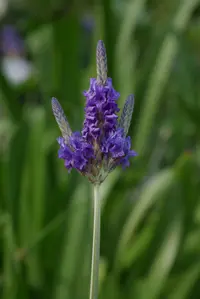
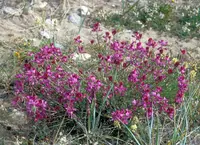
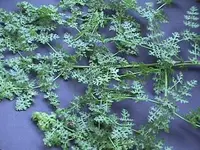
Cut-leaved lavender, Lavandula multifida, is a shrubby, evergreen perennial from the Mediterranean region, especially Spain and North Africa. It forms a loose, bushy mound with finely divided, fern-like gray-green foliage and slender stems topped by small purple flower spikes.
This species is grown mainly for its airy texture, fragrance, and long blooming season in mild climates. It prefers sunny, dry, well-drained conditions and does not tolerate heavy, waterlogged soils. Due to its drought tolerance and moderate growth rate, it suits gardeners looking to care for Cut-leaved lavender with relatively low effort, provided it receives enough light and good drainage.

Care Difficulty
Moderate Care

Light Preference
Full Sun

Water Requirements
Low Water

Temperature Preference
Tropical / Frost Sensitive

Hardiness Zone
9–11

Soil Texture
Sandy, Loamy, Rocky

Soil pH
Slightly acidic (6.5–7.0), Slightly alkaline (7.0–7.5)

Soil Drainage
Well-drained

Fertilization
Minimal (feed rarely)
Scan your plant to receive care tips personalized for your specific plant
Available on iOS and Android
This Mediterranean species needs strong, direct sun to stay compact and aromatic.
This drought-tolerant shrub prefers infrequent, deep watering and fast-draining soil.
This species prefers warm, dry conditions and is sensitive to sustained cold and frost.
This Mediterranean species prefers relatively dry air and rarely needs special humidity control.
Lavandula multifida needs lean, fast-draining soil to keep roots aerated and dry between waterings.
This species grows well in containers when drainage and root conditions are carefully managed.
This Mediterranean subshrub needs modest nutrition, so focus on light, infrequent feeding for healthy but compact growth.
Pruning Lavandula multifida keeps the plant compact, encourages flowering, and delays woody, leggy growth.
This lavender prefers stable conditions and is usually repotted or transplanted only when crowding or decline becomes clear.
Lavandula multifida is most reliably propagated from semi-ripe stem cuttings taken during the warmer months.
This species has limited frost tolerance and benefits from thoughtful winter care in cooler regions.

Plant Health Check
Not sure what's wrong with your plant? Check your plant's health inside the app.
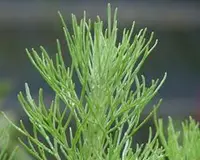
This species has finely divided, gray-green leaves that look more like a fern or Artemisia than typical lavender, due to its deeply pinnatisect leaf structure that increases surface area while limiting water loss.
It is native to dry, rocky habitats around the western Mediterranean, including parts of Portugal, Spain, and North Africa, and shows high tolerance to heat and periodic drought compared with many other lavender species.
Its flower spikes carry small bluish-purple flowers topped with long, showy bracts that give a tufted appearance, which helps attract pollinators such as bees in windy, open habitats.

Although often grown as an annual in cooler regions, in frost-free Mediterranean-type climates this species can behave as a short-lived perennial subshrub, forming a semi-woody framework that flowers repeatedly across multiple seasons.
Poor flowering is usually caused by insufficient light, excessive nitrogen fertilizer, or pruning at the wrong time, which removes flower buds. Older woody stems also bloom less and benefit from gradual renewal pruning over several seasons.
Keep your plants happy and healthy with plant identification, disease detection, and easy care guidance.