


Deep root spacing
Allow at least 30–40 cm between plants so the deep taproots can expand without competition, which reduces stress and encourages sturdier flowering stems when growing Thapsia foetida.

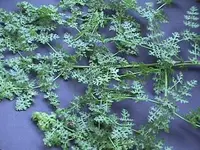
Thapsia foetida is a perennial herb of the carrot family, known for its tall, hollow stems and large, umbrella-like clusters of yellow flowers. It develops from a thick rootstock and forms a bold, architectural presence in dry, open sites.
This species is native to Mediterranean regions, where it grows in rocky grasslands and scrub. It can be challenging to establish, mainly due to its need for well-drained soil and dislike of disturbance.
Once settled, it is relatively drought tolerant but dislikes heavy, wet conditions. Understanding how to care for Thapsia foetida starts with providing sun, dry air, and sharply drained soil.

Care Difficulty
Moderate Care

Light Preference
Full Sun

Water Requirements
Moderate Water

Temperature Preference
Warm Climate

Hardiness Zone
8–10

Soil Texture
Sandy, Loamy, Rocky

Soil pH
Slightly acidic (6.5–7.0), Neutral (7.0)

Soil Drainage
Well-drained

Fertilization
Minimal (feed rarely)
Scan your plant to receive care tips personalized for your specific plant
Available on iOS and Android
This Mediterranean biennial prefers bright, open conditions with some protection from harsh afternoon sun.
This deep-rooted umbellifer prefers infrequent but thorough watering in sharply drained soil.
This Mediterranean species tolerates moderate heat and brief light frost but dislikes prolonged freezing or very humid heat.
This Mediterranean species tolerates typical indoor humidity and rarely needs special humidity management.
Thapsia foetida prefers sharply drained, moderately fertile mineral soil that never stays waterlogged.
This species can be grown in containers if the pot is deep, stable, and drains very rapidly.
This species grows in poor soils and usually needs little feeding in gardens or containers.
Pruning needs for Thapsia foetida are minimal and mainly hygienic rather than shaping.
Transplanting is rarely needed once plants establish, due to the deep taproot and dislike of disturbance.
Propagation of this umbellifer is possible from seed but tends to be slow and unreliable.
Mature plants in the ground are fairly cold tolerant and usually need little winter care in mild climates.

Plant Health Check
Not sure what's wrong with your plant? Check your plant's health inside the app.
This umbellifer releases a persistent, unpleasant smell from its foliage and roots, which is thought to deter many mammalian herbivores from feeding on it.
The plant contains potent furanocoumarins and other bioactive compounds similar to some other Apiaceae, making it considered poisonous to livestock and not suitable for consumption.
Native to the western Mediterranean region, it forms tall, robust stems with large, compound umbels of yellow flowers that stand out in dry, rocky habitats and open scrub.
All parts of this species are considered toxic and can cause skin irritation, stomach upset, or more serious symptoms if ingested. Keep pets, children, and livestock away, and wear gloves when handling roots or sap.
Keep your plants happy and healthy with plant identification, disease detection, and easy care guidance.

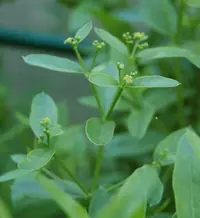
dyer's madder
Rubia tinctorum
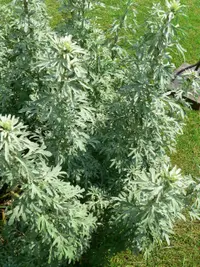
Wormwood
Artemisia absinthium
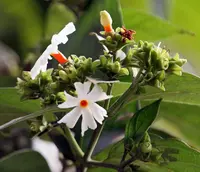
Night-flowering Jasmine
Nyctanthes arbor-tristis
Aristolochia constricta
Aristolochia constricta
alpine sweetvetch
Hedysarum alpinum
Anisotome pilifera
Anisotome pilifera
shortleaf rose gentian
Sabatia brevifolia
Joseph's coat plant
Alternanthera ficoidea