Pacific rhododendron Care (Rhododendron macrophyllum)

Also known as: California rhododendron, California Rose-bay, Coast Rhododendron
Pacific rhododendron

About Pacific rhododendron

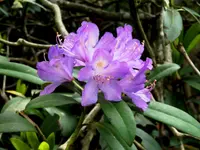
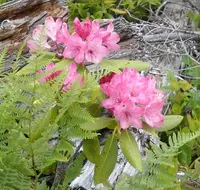
Pacific rhododendron (Rhododendron macrophyllum) is an evergreen shrub native to the Pacific Northwest, typically found in coastal forests and mountain slopes. It forms dense, rounded bushes with leathery, dark green leaves and large trusses of pink to rose-purple flowers in spring.

In nature it often grows in bright open woods or at forest edges, usually in cool, moist climates with acidic, well-drained soil. It can be long-lived but may be slow to establish, which affects how easy it feels to grow.

Gardeners who want to care for Pacific rhododendron should provide a sheltered site, consistent moisture, and soil that is not alkaline, or the plant may decline over time.

Main Plant Requirements

Care Difficulty

Moderate Care

Light Preference

Partial Shade

Water Requirements

Keep Soil Moist

Temperature Preference

Cold Hardy

Hardiness Zone

4–9

Soil Texture

Loamy, Peaty, Organic-rich

Soil pH

Strongly acidic (4.5–5.5), Acidic (5.5–6.5)

Soil Drainage

Moist but well-drained

Fertilization

Minimal (feed rarely)

Get Personalized Care Plan

Scan your plant to receive care tips personalized for your specific plant

Available on iOS and Android

How to Care for the Pacific rhododendron

This shrub prefers bright, cool conditions that mimic open woodland edges.

  • Provide 3–5 hours of gentle morning sun with light or dappled shade the rest of the day; avoid harsh afternoon sun, especially in hotter regions.
  • Site Pacific rhododendron where nearby trees or structures cast filtered light, which helps prevent leaf scorch and flower bleaching in summer.
  • In cooler coastal areas it tolerates more open exposure, but in hotter or inland climates give deeper shade from about 1–4 p.m. during late spring and summer.

This species needs consistently moist but not saturated soil, especially during its active growth period.

  • Water when the top 3–5 cm of soil feels barely damp, aiming to keep the root zone evenly moist rather than letting it swing from dry to soggy.
  • Use free-draining, humus-rich, slightly acidic soil; mulch 5–8 cm deep to reduce evaporation and stabilize moisture around Rhododendron macrophyllum roots.
  • In summer drought, increase frequency and watch for drooping leaves as a sign of thirst; in cool or rainy seasons, reduce watering and avoid standing water, which leads to root rot.

This plant is adapted to cool, mild climates with moderate seasonal variation.

  • Optimal growth occurs around 50–70°F (10–21°C), with strong flowering when springs are cool and summers not excessively hot.
  • Mature plants typically tolerate winter lows down to about 0–5°F (-18 to -15°C); brief colder snaps are survived better with snow cover or mulch over the root zone.
  • During heat waves above 85°F (29°C), provide extra shade and soil moisture, as prolonged high temperatures can stress foliage and reduce next year’s buds.

This species prefers cool, moderately humid air and is sensitive to prolonged dryness.

  • Aim for 40–60% humidity, especially during hot or windy weather.
  • Dry air causes curled, drooping leaves and browning leaf edges, especially on new growth.
  • Increase humidity outdoors by mulching 5–8 cm and grouping Pacific rhododendron with other shrubs to reduce moisture loss.

Soil for this species must be loose, acidic, and well drained yet consistently moist.

  • Use a mix of 50–70% pine or fir bark fines, 20–30% peat or coir, and 10–20% perlite or coarse sand.
  • Target pH 4.5–6.0; avoid lime, wood ash, and alkaline tap water that raise pH and block nutrient uptake.
  • Ensure a crumbly, aerated structure; never allow the soil to compact or form a hard crust at the surface.
  • Avoid heavy clay, poorly drained depressions, or spots where water stands after rain, since roots suffocate easily.

This shrub can grow in containers for several years if given a stable, cool root environment.

  • Choose a wide, low container to counterbalance the shrub’s top-heavy form and reduce tipping in wind.
  • Use a thick-walled or insulated pot in sunny sites to limit root overheating and moisture swings.
  • Raise the pot on feet or bricks so drainage holes stay clear and excess water exits rapidly after rain or irrigation.

This native shrub usually needs minimal feeding, especially when planted in suitable acidic, organic-rich soil.

  • If growth or leaf color declines, apply a light, acid-forming, balanced NPK or rhododendron-specific slow-release fertilizer in early spring.
  • Use about half the label rate for Pacific rhododendron, as roots are sensitive to excess salts.
  • Supplement with a thin layer of compost over the root zone instead of heavy granular doses.
  • Avoid feeding in late summer or winter to prevent tender, frost-prone growth.

Rhododendron macrophyllum benefits from light, timed pruning to maintain structure and flowering.

  • Prune just after flowering in late spring so next year’s flower buds are not removed.
  • Use clean, sharp hand pruners to remove dead, diseased, or damaged wood back to healthy tissue.
  • Thin out a few crowded interior branches to improve air flow and keep a natural, open shape.
  • Shorten overly long shoots to balance the plant outline, cutting above a leaf whorl or side branch.

This species is more often transplanted in landscapes than kept long term in containers.

  • Plan transplanting for early spring or early fall, when temperatures are mild and soil is moist but not waterlogged.
  • Move plants that show slow growth, frequent wilting, or roots circling the container or planting hole.
  • Dig a wide, shallow root ball, keep roots shaded and moist, and replant at the same depth in acidic, well-drained soil.
  • Water thoroughly after planting, then mulch 5–8 cm deep to reduce root stress and stabilize soil moisture.

Rhododendron macrophyllum is usually propagated by cuttings or layering, with seeds used mainly for specialty or conservation work.

  • Take semi-ripe cuttings in late summer, 7–10 cm long, and place in a moist, free-draining, acidic medium under high humidity.
  • Apply a rooting hormone to the cut base and provide gentle bottom warmth around 70°F for better rooting.
  • For simple layering, bend a low, flexible branch to the soil, wound slightly, pin down, and cover with acidic mix until roots form.
  • Sow fresh seed on the surface of sterile, acidic mix under bright, indirect light, keeping evenly moist but not waterlogged.

This shrub is generally cold hardy in much of its native range but benefits from basic winter care in exposed sites.

  • Tolerates moderate freezes; long periods below its hardiness range can damage buds and young shoots.
  • Apply 5–8 cm of organic mulch over the root zone in late fall, keeping it away from the main stem.
  • In windy or very cold locations, use burlap screens to reduce desiccating winter wind on foliage.
  • Container plants in cold climates should be moved to a sheltered, unheated but frost-moderated space.

Care Tips

Mulch Root Zone

Maintain a 5–8 cm layer of coarse, acidic mulch such as pine bark or conifer needles over the root zone, keeping it a few cm away from stems to stabilize soil moisture and protect the shallow roots.

Protect From Root Disturbance

Avoid digging, tilling, or planting dense groundcovers within 30–60 cm of the drip line so the fine feeder roots remain intact and the plant recovers faster from heat or drought stress.

Use Wind Filtration

Plant on the leeward side of a building, hedge, or open-work fence so the foliage is protected from drying winds while still receiving good air movement that reduces fungal disease risk.

Bud And Truss Thinning

On young or stressed plants, pinch off some flower buds or remove entire spent trusses by hand after bloom so energy is redirected to root growth and next year’s flower bud formation.

Monitor Leaf As A Gauge

Use leaf position and texture as a quick diagnostic tool when caring for Pacific rhododendron, since drooping or rolled leaves often indicate transient stress from cold, heat, or low soil moisture before more serious damage occurs.

Common Pests and Diseases

Azalea lace bug

This pest feeds on the underside of leaves, causing pale stippling, bronzing, and a scorched look on sun-exposed foliage. Symptoms include black varnish-like spots of excrement on the lower leaf surface.

Solution

Check the undersides of leaves in spring and early summer, and hose them off firmly to reduce populations. For heavier infestations, use insecticidal soap or a horticultural oil labeled for rhododendrons, and reduce plant stress by providing partial shade and regular watering during dry periods.

Rhododendron root weevil

This pest causes distinctive notching along leaf edges, while the larvae feed on roots and can weaken or stunt plants. Symptoms include poor vigor, wilting during warm periods, and reduced new growth despite adequate moisture.

Solution

Inspect foliage at night with a flashlight and hand-pick adult weevils. Apply beneficial nematodes to moist soil in spring or late summer to target larvae, and maintain a mulch layer that is not piled against the crown to reduce hiding places and excess moisture stress as part of Rhododendron macrophyllum care.

Phytophthora root rot

This disease affects roots and the root collar, leading to wilting, dull or off-green foliage, and branch dieback even when soil seems moist. Symptoms include brown, decaying roots and sometimes reddish-brown discoloration under the bark at the base of stems.

Solution

Remove and destroy severely affected plants and avoid replanting rhododendrons in the exact spot. Improve drainage with raised beds, coarse organic mulch, and avoidance of overwatering, and consider using resistant rootstocks or species when replanting nearby.

Leaf spot

This disease causes tan to brown spots on leaves, sometimes with darker margins and occasional yellow halos. Symptoms include premature leaf drop, especially on lower, shaded branches.

Solution

Prune out and dispose of heavily spotted leaves and thin dense branches to increase airflow and light penetration. Avoid overhead watering, irrigate at soil level, and if the problem recurs yearly, apply a labeled fungicide in early spring as new leaves expand.

Bud blast

This disease leads to flower buds that turn brown or black, fail to open, and often remain attached as dry, mummified structures. Symptoms include thin webbing or small black fungal fruiting bodies on dead buds.

Solution

Remove and discard all affected buds and any dead twig tips during dry weather, disinfecting pruners between cuts. Improve air circulation, avoid wetting buds with overhead irrigation, and keep plants growing in their preferred cool, moist but well-drained conditions to reduce stress and susceptibility.

Interesting Facts

Pacific Northwest specialist

This species is native to the Pacific Northwest of North America, where it is especially abundant in coastal and low to mid-elevation mountain forests from northern California through Oregon and Washington into southwestern British Columbia.

Forest edge pioneer

It often forms dense thickets along forest edges, clearings, and roadcuts, taking advantage of increased light and helping to stabilize disturbed soils while tree canopies recover.

Key pollinator resource

Its large, spring-blooming flower clusters provide an important early nectar and pollen source for native bumble bees, solitary bees, and hummingbirds in cool coastal and montane habitats.

Botan icon

Did you know?

In Washington, the Pacific rhododendron is formally recognized as the state flower, chosen in 1892 by popular vote of the state’s women and later officially adopted by the legislature in 1959.

FAQs about Pacific rhododendron

Lack of flowers usually comes from too much shade, heavy pruning at the wrong time, or nutrient imbalance, especially excess nitrogen. Late frosts can also damage flower buds. Protect buds, avoid shearing after midsummer, and use a fertilizer formulated for rhododendrons.

Grow Healthy Plants with Botan Care

Keep your plants happy and healthy with plant identification, disease detection, and easy care guidance.

Botan plant care app — identify plants on mobile

Explore More Plants