Japanese Sacred Lily Care (Rohdea japonica)

Japanese Sacred Lily

About Japanese Sacred Lily

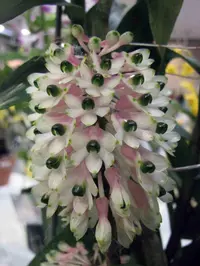
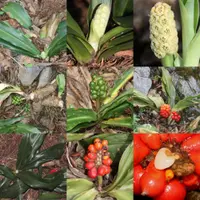
Japanese sacred lily, Rohdea japonica, is an evergreen, clumping perennial grown mainly for its bold, leathery foliage rather than its small, hidden flowers. It forms low rosettes of strap-like leaves in deep green, sometimes with variegated or striped patterns that suit shaded corners and indoor displays.

This species is native to woodlands in East Asia, where it grows in humus-rich, well-drained soil under trees and shrubs. It is slow-growing but long-lived, and tolerates shade, irregular watering, and a range of indoor conditions, which makes it relatively forgiving to care for Japanese Sacred Lily.

It prefers stable conditions with moderate light, even moisture, and a sheltered position out of harsh sun and dry air.

Main Plant Requirements

Care Difficulty

Easy Care

Light Preference

Partial Shade

Water Requirements

Moderate Water

Temperature Preference

Cool Climate

Hardiness Zone

6–10

Soil Texture

Loamy, Clay, Organic-rich

Soil pH

Acidic (5.5–6.5), Slightly acidic (6.5–7.0)

Soil Drainage

Moist but well-drained

Fertilization

Minimal (feed rarely)

Get Personalized Care Plan

Scan your plant to receive care tips personalized for your specific plant

Available on iOS and Android

How to Care for the Japanese Sacred Lily

Rohdea japonica grows best in low to moderate light and is naturally adapted to shaded woodland conditions.

  • Provide bright shade or filtered light, such as dappled sun under trees or 1–2 hours of gentle morning sun, avoiding strong midday and afternoon sun.
  • Plant in sites receiving 0–3 hours of direct sun; excessive sun causes leaf scorch, bleaching, and crispy edges, especially in hot summers.
  • In winter, when deciduous trees drop leaves, the plant tolerates a bit more light, but in warm climates some year-round shade protects foliage.

This plant prefers evenly moist but not saturated soil and copes better with slight dryness than with standing water.

  • Water when the top 2–4 cm of soil feels dry, letting moisture soak to root depth, then drain away fully to avoid a soggy root zone.
  • Reduce watering in cool seasons when growth slows, but do not let the soil dry out completely for long periods in warm, windy weather.
  • Watch for yellowing, soft leaves as a sign of overwatering and root rot risk, and for drooping, wrinkled leaves as a sign it needs water.

This species is quite temperature-tolerant but performs best within a moderate, stable range.

  • Aim for 60–80°F (16–27°C) for active growth, as this range supports steady leaf development without stress.
  • Mature plants tolerate brief drops to about 10–15°F (-12 to -9°C) outdoors, but foliage may burn; extended freezes below this can kill crowns.
  • In hot regions, temperatures above 90°F (32°C) are tolerated if soil stays slightly moist and plants are shaded from intense afternoon heat.

Rohdea japonica handles a wide humidity range but benefits from moderately moist air.

  • Aim for 40–60% humidity to support steady foliage growth and minimize leaf edge browning.
  • It tolerates typical dry indoor air but prolonged levels below 30% can cause crispy tips and slower growth.
  • Increase humidity with a pebble tray, grouping plants, or a small humidifier rather than misting, which adds only brief surface moisture.

Rohdea japonica prefers a moisture-retentive yet free-draining mix that resists waterlogging.

  • Use a loose, organic-rich mix such as 2 parts peat or coco coir, 1 part compost, and 1 part perlite or fine bark for structure and drainage.
  • Ensure the soil drains quickly but stays slightly moist by avoiding dense garden soil or heavy clay in containers.
  • A slightly acidic to neutral pH around 6.0–7.0 supports nutrient uptake and stable foliage color.
  • Improve aeration by incorporating chunky particles like bark or pumice so roots receive oxygen and resist rot in long-term container culture.

This species is well suited to long-term container growing due to its slow, clumping habit.

  • Choose a relatively deep, heavy pot that prevents tipping as the clump becomes dense and foliage weight increases.
  • Select a pot material like thick ceramic or clay if extra stability and slightly faster moisture loss are needed in shaded sites.
  • Use a saucer that can be emptied promptly so the base of the root ball never sits in standing water after irrigation.

Rohdea japonica is a slow-growing plant that benefits from light, consistent feeding rather than heavy fertilization.

  • Use a balanced, slow-release fertilizer (for example 10-10-10) or a thin layer of compost on the soil surface.
  • Feed lightly every 6–8 weeks during spring and summer while growth is active.
  • Dilute liquid fertilizers to 1/2–1/4 strength to avoid root burn and salt buildup.
  • Stop feeding in late fall and winter, when growth is minimal and the plant rests.

Rohdea japonica needs minimal pruning, mainly to maintain a clean, healthy clump.

  • Best time to prune is late winter or early spring, before new growth starts.
  • Remove yellow, dead, or damaged leaves at the base using clean, sharp scissors or pruners.
  • Thin out badly crowded rosettes to improve air flow and reduce disease risk.
  • Light shaping by removing a few outer leaves keeps the plant compact without stressing it.

Rohdea japonica prefers to stay slightly root-bound and does not require frequent repotting or transplanting.

  • Check for roots circling the pot, pushing out of drainage holes, or slowed growth as signs it needs more space.
  • Plan repotting or garden transplanting in early spring so roots can recover during the growing season.
  • Repot every 3–5 years into a container only 2–5 cm wider, using a well-drained, humus-rich mix.
  • Handle the root ball gently, keep roots at the same depth, water thoroughly, and keep shaded for 1–2 weeks to reduce stress.

Rohdea japonica is most reliably propagated by division rather than by seed.

  • Divide mature clumps in early spring when new growth begins and temperatures are mild.
  • Lift the plant, gently tease apart rosettes, and ensure each division has several leaves and a good root section.
  • Plant divisions into well-drained, slightly moist soil, keeping the crown at original soil level.
  • Provide bright, indirect light, stable moisture, and high humidity to support rooting and establishment.

Rohdea japonica is fairly cold hardy and usually needs only modest winter care in sheltered sites.

  • In-ground plants tolerate light frost but benefit from 5–8 cm of mulch over the root zone in colder regions.
  • Avoid heavy, soggy soils in winter to reduce root rot risk.
  • Move container plants to a frost-free, bright, cool space when temperatures drop below 20°F.
  • Keep winter watering light, allowing the top soil to dry slightly between waterings.

Care Tips

Rotate For Symmetry

Turn the pot 90° every 4–6 weeks so the leaves receive light from different directions and the clump stays compact and evenly shaped rather than leaning to one side.

Control Leaf Crowding

Every 2–3 years, unpot the plant and gently remove only the oldest, yellowing or damaged outer leaves at the base to improve air flow through the clump and reduce rot risk in the crown.

Divide With Leaf Pairs

When dividing, keep at least 2–3 healthy leaf fans attached to each rhizome section, then pot each division slightly high in the mix so the crown is never buried, which greatly reduces crown rot problems.

Use Topdressing Stones

Apply a thin layer of inert gravel or small stones on the soil surface to keep the crown clean from splashing, discourage fungus gnat breeding, and give better visibility of watering status.

Cool-Season Rest

From late fall to early spring, give the plant a slightly cooler, stable spot and avoid moving it frequently, as this gentle rest period supports long-term vigor and more reliable growth when growing Japanese Sacred Lily.

Common Pests and Diseases

Scale insects

This pest sucks sap from leaves and leaf bases, often appearing as small brown or gray bumps along the midrib and crown. Symptoms include sticky honeydew, sooty mold growth, and gradual yellowing or weakening of the clump.

Solution

Wipe leaves and leaf bases with a cotton pad dipped in diluted alcohol or insecticidal soap, repeating weekly until no new scales appear. For dense crowns, inspect and manually remove insects from tight leaf bases, and isolate the plant from others during treatment as part of Rohdea japonica plant care.

Mealybugs

These insects hide deep in leaf bases and around the crown, forming white cottony clusters that feed on sap. Symptoms include distorted new leaves, sticky residue, and slow overall growth.

Solution

Flush the crown and leaf bases with a firm but gentle stream of water, then treat hidden areas with cotton swabs dipped in isopropyl alcohol or a ready-to-use insecticidal soap. Repeat checks every 7–10 days and remove any heavily infested outer leaves if possible without damaging the clump.

Southern blight

This disease, caused by soil-borne fungi such as Sclerotium rolfsii, attacks the crown and lower leaf bases, especially in warm, wet conditions. Symptoms include sudden wilting, soft rotting at the crown, and white fungal growth with small tan sclerotia on the soil surface.

Solution

Remove and discard all affected plant parts and surrounding soil, and avoid composting them. Improve drainage, keep the crown slightly above soil level, avoid overhead watering, and if valuable clumps are at risk, consider repotting into fresh sterile mix and using a labeled soil fungicide according to instructions.

Leaf spot

This disease produces small water-soaked or brown spots on leaves that may enlarge and merge, often starting on older foliage. Symptoms include irregular lesions with darker margins and, in humid conditions, possible fungal spore masses on the spots.

Solution

Cut off and discard affected leaves, cleaning tools between cuts, and increase air movement around the plant while keeping water off the foliage. Water at soil level, avoid crowding plants, and if new spots continue to appear, apply a broad-spectrum ornamental foliar fungicide as directed.

Interesting Facts

Evergreen forest understory

In its native range in Japan and parts of East Asia, this species naturally grows on shaded forest floors and rocky slopes, often under broadleaf trees, forming low, evergreen clumps that tolerate deep shade and cool conditions.

Long-lived clump former

Individual clumps can persist for many years and slowly expand by short rhizomes, which is why old temple and garden plantings in Japan may show large, dense colonies originating from just a few original plants.

Rich variegated cultivars

Centuries of selection in Japan have produced many named cultivars with striped, spotted, twisted, or margined leaves, and these ornamental forms are still actively collected and exhibited by specialist growers.

Botan icon

Did you know?

In Japan, this species has a long cultural history as a potted gift plant associated with good fortune and longevity, and traditional New Year decorations sometimes include its leaves as a symbol of enduring life and resilience.

FAQs about Japanese Sacred Lily

This species often flowers poorly when overcrowded or stressed. Old, congested clumps, low light, heavy feeding, or recent division can all reduce flowering. Flowers are naturally modest, so blooming may be easy to overlook.

Grow Healthy Plants with Botan Care

Keep your plants happy and healthy with plant identification, disease detection, and easy care guidance.

Botan plant care app — identify plants on mobile

Explore More Plants