Austrian-brier Care (Rosa foetida)

Also known as: Austrian Briar
Austrian-brier

About Austrian-brier

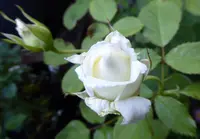
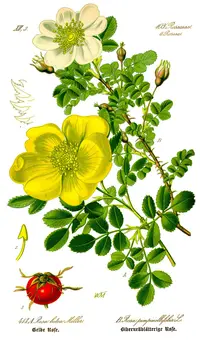
Austrian-brier, Rosa foetida, is a deciduous shrub rose known for its strong yellow flowers and upright, somewhat arching growth. It typically forms a dense, thorny hedge with fine, divided leaves.

This species is native to regions of western Asia and has long been used in traditional rose breeding for its intense color. It is generally hardy but can be prone to fungal diseases, which makes site choice and airflow important.

It prefers sunny positions, moderately moist but well-drained soil, and benefits from simple, regular pruning. Understanding these basic needs makes it easier to care for Austrian-brier in home gardens.

Main Plant Requirements

Care Difficulty

Moderate Care

Light Preference

Full Sun

Water Requirements

Moderate Water

Temperature Preference

Cold Hardy

Hardiness Zone

4–8

Soil Texture

Sandy, Loamy, Clay

Soil pH

Acidic (5.5–6.5), Slightly acidic (6.5–7.0)

Soil Drainage

Well-drained

Fertilization

Minimal (feed rarely)

Get Personalized Care Plan

Scan your plant to receive care tips personalized for your specific plant

Available on iOS and Android

How to Care for the Austrian-brier

Rosa foetida performs best in open, sunny positions with strong light for flowering.

  • Provide 6–8 hours of direct sun daily; morning sun with light afternoon shade reduces heat stress and scorched petals.
  • In hot summers, protect from intense sun after 2–3 p.m. using nearby shrubs, fences, or dappled tree shade, especially for Austrian-brier plantings.
  • In cooler or cloudy regions, choose the brightest, south- or west-facing site to prevent weak, elongated shoots and poor bud formation.

Rosa foetida prefers deep, infrequent watering that allows the soil surface to dry slightly between soakings.

  • Water when the top 3–5 cm of soil feels dry, soaking the root zone to 20–30 cm depth rather than giving light surface splashes.
  • Reduce frequency in cool or rainy weather and during winter dormancy, but never allow the soil to remain soggy or waterlogged.
  • Watch for yellowing, soft leaves as a sign of overwatering, and crisp, drooping foliage or rapid bud drop as indicators of underwatering.

This rose tolerates cold winters and warm summers but flowers best within moderate temperature ranges.

  • Active growth and flowering are strongest around 60–75°F (16–24°C), with good performance in typical spring and early summer conditions.
  • Mature plants survive winter lows near 0°F (−18°C) with proper mulching, but young shrubs benefit from protection from severe frost and drying winds.
  • In heat above 90°F (32°C), blooms may scorch and fade quickly; provide mulch and late-day shade to keep roots cooler and reduce stress.

Rosa foetida prefers fairly dry air and usually does not need special humidity management outdoors.

Rosa foetida grows best in moderately fertile, well-structured mineral soil with strong drainage.

  • Use a loamy or sandy-loam soil with visible mineral content, not a peat-heavy, spongy mix that stays wet.
  • Aim for slightly acidic to neutral pH around 6.0–7.0 to support nutrient availability and healthy root growth.
  • In garden beds, incorporate 20–30% compost or well-rotted manure plus coarse sand or fine gravel to improve structure and drainage.
  • Avoid heavy clay that compacts, waterlogged spots, or mixes with a high proportion of undecomposed bark, which can starve roots of oxygen.

This species can be grown in containers, but it needs careful attention to root space and stability.

  • Choose a deep, heavy container at least 40–45 cm wide to accommodate its vigorous root system and reduce tipping in wind.
  • Use a coarse, fast-draining mix such as 50–60% loam-based compost with added sharp sand or fine gravel to prevent waterlogging around the crown.
  • Position the pot where it will not be shaded by other containers, as reduced airflow and lingering moisture around the base can encourage stem canker and root problems.

Rosa foetida benefits from modest, targeted feeding to support flowering without promoting weak, lush growth.

  • Apply a balanced granular or slow-release NPK fertilizer in early spring as new growth starts, following label rates.
  • Lightly top-dress with compost around the drip line 1–2 times during the growing season, keeping it off the stems.
  • In summer, if growth is pale, use a half-strength balanced liquid feed no more than once per month.
  • Stop feeding Austrian-brier by late summer and do not fertilize in winter dormancy to avoid soft, frost-prone growth.

Rosa foetida responds well to thoughtful pruning that maintains its natural arching form and flowering potential.

  • Prune just after the main spring bloom, since this species flowers on older wood formed the previous season.
  • Remove dead, diseased, or crossing canes first, cutting back to healthy wood with clean, sharp bypass pruners.
  • Thin crowded stems from the base to improve air movement and light, which reduces disease pressure.
  • Shorten overly long shoots slightly to refine shape, but avoid hard cutting that removes most 2–3-year-old flowering wood.

This rose is usually grown in the ground, so transplanting young plants correctly matters more than repotting mature specimens.

  • Transplant during late fall or very early spring while plants are dormant, avoiding hot or dry periods.
  • Look for signs such as roots circling a nursery pot, water running off quickly, or slow growth before moving a container-grown plant.
  • Aim to transplant only every several years, choosing a site with full sun, drainage, and space for mature width.
  • Dig a wide hole, keep the root ball intact, water thoroughly after planting, then mulch to limit moisture loss and root stress.

Rosa foetida is most often propagated by hardwood cuttings or budding onto rootstock, though home growers may try simpler methods.

  • Take hardwood cuttings in late fall to winter, using pencil-thick, disease-free stems with several buds each.
  • Insert cuttings into a gritty, moist medium, keep cool but frost-free, and maintain steady moisture until rooting.
  • In late winter, skilled growers may T-bud or chip-bud onto vigorous rose rootstock for stronger long-term plants.
  • Seed propagation is possible but slow; stratify seeds in moist medium in the refrigerator for several months before sowing.

This rose is generally cold hardy in many temperate regions but benefits from simple winter care in harsher climates.

  • Tolerates moderate frost once established, but young plants need more protection in their first 1–2 winters.
  • Apply 5–8 cm of organic mulch around the root zone in late fall, keeping it slightly away from the main stem.
  • In very cold areas, mound soil or compost 10–15 cm high around the base to insulate graft unions or lower buds.
  • Container plants in colder zones should be moved into an unheated garage, shed, or against a sheltered wall for winter.

Care Tips

Protect Flower Buds

In late spring, inspect developing buds weekly and remove any that show brown spotting or distortion, which redirects energy to healthy buds and helps reduce the spread of botrytis blight in this disease-prone rose.

Targeted Blackspot Control

Begin a preventive fungicide program at bud break, using a labeled rose fungicide on a 7–14 day schedule and focusing spray on lower leaves and the plant base, where blackspot spores most often splash up from the soil.

Airflow Through Canopy

During seasonal maintenance, selectively thin crowded interior branches instead of just shortening stems, which increases air circulation and leaf drying time and significantly lowers the risk of fungal diseases on this dense shrub rose.

Sanitize Fallen Debris

From spring through fall, rake and remove dropped leaves and petals after rain or overhead irrigation and dispose of them in the trash, not compost, to break the disease cycle and support long-term Rosa foetida care.

Stabilize Heavy Canes

Install a low, sturdy support ring or discreet stakes around the shrub before peak flowering, then loosely tie the most arching canes so heavy, flower-laden stems do not split or tear in wind or after rain.

Common Pests and Diseases

Black spot

This disease causes round black spots with fringed or yellow halos on older leaves, which then yellow and drop prematurely. Symptoms include rapid defoliation in humid, mild weather, especially on susceptible yellow-flowered roses like this species.

Solution

Remove and discard infected leaves on and under the plant, then prune for better airflow through the canopy. Keep foliage as dry as possible, water at soil level, and use a preventive rose fungicide labeled for black spot starting in early spring, repeating at the interval on the label during wet periods.

Powdery mildew

This disease produces white, powdery growth on young leaves, buds, and shoots, often causing leaf curling and distorted new growth. Symptoms include a dusty coating that is most severe in warm days with cool nights and poor air circulation.

Solution

Prune to open the plant center, remove heavily infected shoots, and avoid overhead watering late in the day. Improve sun exposure where possible and apply a systemic or contact fungicide labeled for powdery mildew on roses at the first sign of infection, continuing as needed according to the label as part of Rosa foetida care.

Rose rust

This disease shows as orange to rust-colored pustules on the undersides of leaves and orange dust on surrounding surfaces. Symptoms include yellowing foliage and early leaf drop when infections are heavy, especially in cool, moist climates.

Solution

Promptly remove and dispose of infected leaves and severely affected stems, then thin crowded branches to improve airflow. Avoid wetting foliage, clean up fallen leaves in autumn, and apply a suitable rose rust fungicide early in spring if the plant has a history of rust problems.

Rose aphids

These insects cluster on soft shoot tips and buds, sucking sap and causing distorted leaves, sticky honeydew, and reduced flower quality. This pest can appear in large numbers in spring flushes, particularly on vigorous new growth.

Solution

Spray colonies off with a firm stream of water, then pinch or prune heavily infested soft tips. Encourage or introduce natural enemies like lady beetles, and if needed use an insecticidal soap or horticultural oil labeled for aphids, coating the undersides of leaves and repeating as required.

Spider mites

These pests are tiny, sap-sucking arachnids that cause fine stippling, bronzing, and eventual drying of leaves, often with delicate webbing between leaf veins. Symptoms include dull, gray-green foliage that worsens in hot, dry weather and improves in cooler, more humid conditions.

Solution

Rinse foliage thoroughly with water, including leaf undersides, on a regular schedule to knock down populations and increase humidity around the plant. Remove badly damaged leaves and, if needed, apply a horticultural oil or miticide labeled for spider mites, making repeated treatments as directed to catch newly hatched mites.

Interesting Facts

Source of yellow roses

This species was one of the first true yellow roses introduced into European cultivation in the 16th century, providing essential yellow pigment genes that breeders later used to create many modern yellow and bicolor rose cultivars.

Distinctive sulfur pigment

The strong golden color of the flowers comes from high levels of carotenoid pigments, which are less stable than red anthocyanin pigments and contribute to the rapid fading and weather sensitivity of its blooms.

Unusual scent profile

Despite its species name meaning foul-smelling, the fragrance is better described as sharp and pungent rather than rotten, and it varies noticeably among plants and growing conditions.

Botan icon

Did you know?

Genetic studies show that hybridization using this species contributed not only yellow color but also increased blackspot susceptibility to many modern hybrid tea roses, so breeders now work carefully to retain the color genes from R. foetida while selecting against its disease-prone traits.

FAQs about Austrian-brier

Poor flowering usually results from pruning at the wrong time, excessive shade, or nutrient imbalance. This species blooms on older wood, so heavy winter or spring pruning removes flower buds. High-nitrogen fertilizer or deep shade also reduce buds.

Grow Healthy Plants with Botan Care

Keep your plants happy and healthy with plant identification, disease detection, and easy care guidance.

Botan plant care app — identify plants on mobile

Explore More Plants