
Devil's bolete Identification (Rubroboletus satanas)

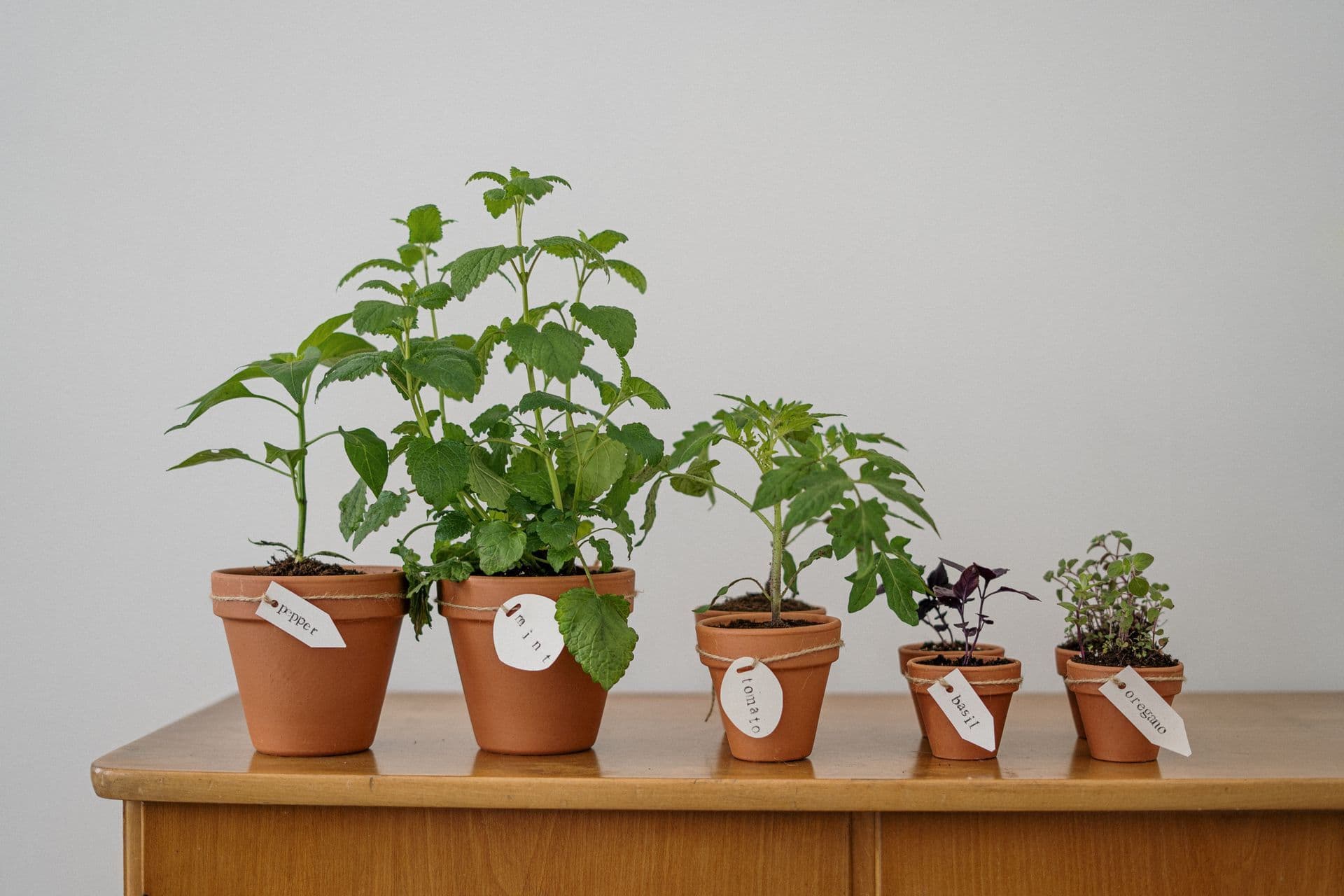
To recognize Devil's bolete, look for a thick, squat mushroom with a pale whitish to light gray cap, bright red pores instead of gills, and a swollen stem marked with a distinct red netlike pattern.

Caps are often broad, while the stem is short, bulbous, and heavy in proportion.

Rubroboletus satanas Identification

Identify a Plant by Photo

Take a photo and use Botan to confirm your plant identification.

Clear images work best. Avoid photos taken too close or too far away

Check the mushroom’s cap, pore surface, and stem together.

  • Cap is very large, often 4-12 inches (10-30 cm) wide, thick and cushion-shaped, pale whitish to light gray.
  • Underside has pores, not gills; pore surface is red to orange-red and made of tiny round openings.
  • Stem is short and bulky, often swollen or barrel-shaped, with a yellow background and strong red netlike patterning.
  • Flesh is pale and may show faint blue bruising where cut or damaged.

A broad pale cap with red pores and a thick red-netted stem is the most useful visual combination.

Rubroboletus satanas shows useful age-related changes in cap shape, pore color, and stem form.

  • Young plant: Buttons emerge half-buried, with a rounded pale cap and a very swollen stem; pore surface is still hidden or only narrowly visible.
  • Mature plant: The cap expands to 4-10 inches (10-25 cm), becoming broad and cushion-like to nearly flat; the stem stays thick, with red tones stronger and pores exposed.
  • Fruiting stage: At full fruiting, the pore surface is clearly red to orange-red and bruises blue; the cap often looks smoother, while the stem appears less spherical than in youth.

Devil's bolete is mainly identified in its fruiting season, from summer into early fall, when the large mushroom is visible above ground. At that time, the pale cap contrasts with the thick stem and red pores, creating the clearest field marks. Outside the fruiting period, those visible features are absent because only the underground mycelium remains. That makes seasonal timing itself a useful clue when assessing a suspected find.

A few red-pored boletes can be mistaken for Devil's bolete.

Lurid bolete(Suillellus luridus)

Often confused because both have pale caps, red pores, and stout stems. Suillellus luridus usually shows a dark net pattern over much of the stem and often has olive-brown tones in the cap, while Rubroboletus satanas is paler overall with a more swollen, bulbous stem.

Scarletina bolete(Neoboletus luridiformis)

Confusion comes from the red pores and heavy build. The quickest check is the stem: Neoboletus luridiformis has red dots or flecks rather than a netted pattern, and its cap is usually darker brown instead of whitish to pale gray.

Rubroboletus satanas is native to Europe, especially southern and central parts of the continent. It is most often found in broadleaf woodland rather than conifer forest, which helps narrow identification when a similar bolete appears under oaks or beeches. Typical sites are warm, open woods, woodland edges, and calcareous ground, meaning lime-rich soils. Habitat is a useful clue because this species is strongly associated with deciduous trees and alkaline soils, not deep shade or strongly acidic forest.

  • Poisonous if eaten: Rubroboletus satanas is poisonous to humans and pets if the fruiting body is ingested. It is best known for causing strong gastrointestinal poisoning rather than skin irritation.
  • Misidentification risk: This is a bolete mushroom, and wrong identification can be serious. A key warning sign is its red pore surface on the underside, which helps separate it from many edible boletes with yellow to olive pores.

Does Your Plant Match?

Use Botan to compare a photo and help confirm the identification before you label it or keep researching.

FAQ

Yes. This species is native to Europe and is most often associated with warm broadleaf woodland, especially with oak and beech on calcareous, lime-rich soils. Habitat supports Devil's bolete identification but does not confirm it alone.

More Plant Identification Guides

Know What Plant You Have

Identify it from a photo with Botan, then review plant details, safety notes, and common problems for that species.

Botan app identifying a plant from a photo
How To Revive a Dying Plant: 6 Steps To Bring A Plant Back To Life

6 min read · 1 Sept 2026

How To Revive a Dying Plant: 6 Steps To Bring A Plant Back To Life

Drooping leaves and brown tips don't always mean the end, and a weakened plant can often recover with a little help. These six simple steps will help you revive a dying plant and restore its health.

Plant Care
How To Revive a Dying Plant: 6 Steps To Bring A Plant Back To Life
Best Time to Mow Lawn – A Complete Guide

5 min read · 10 Aug 2026

Best Time to Mow Lawn – A Complete Guide

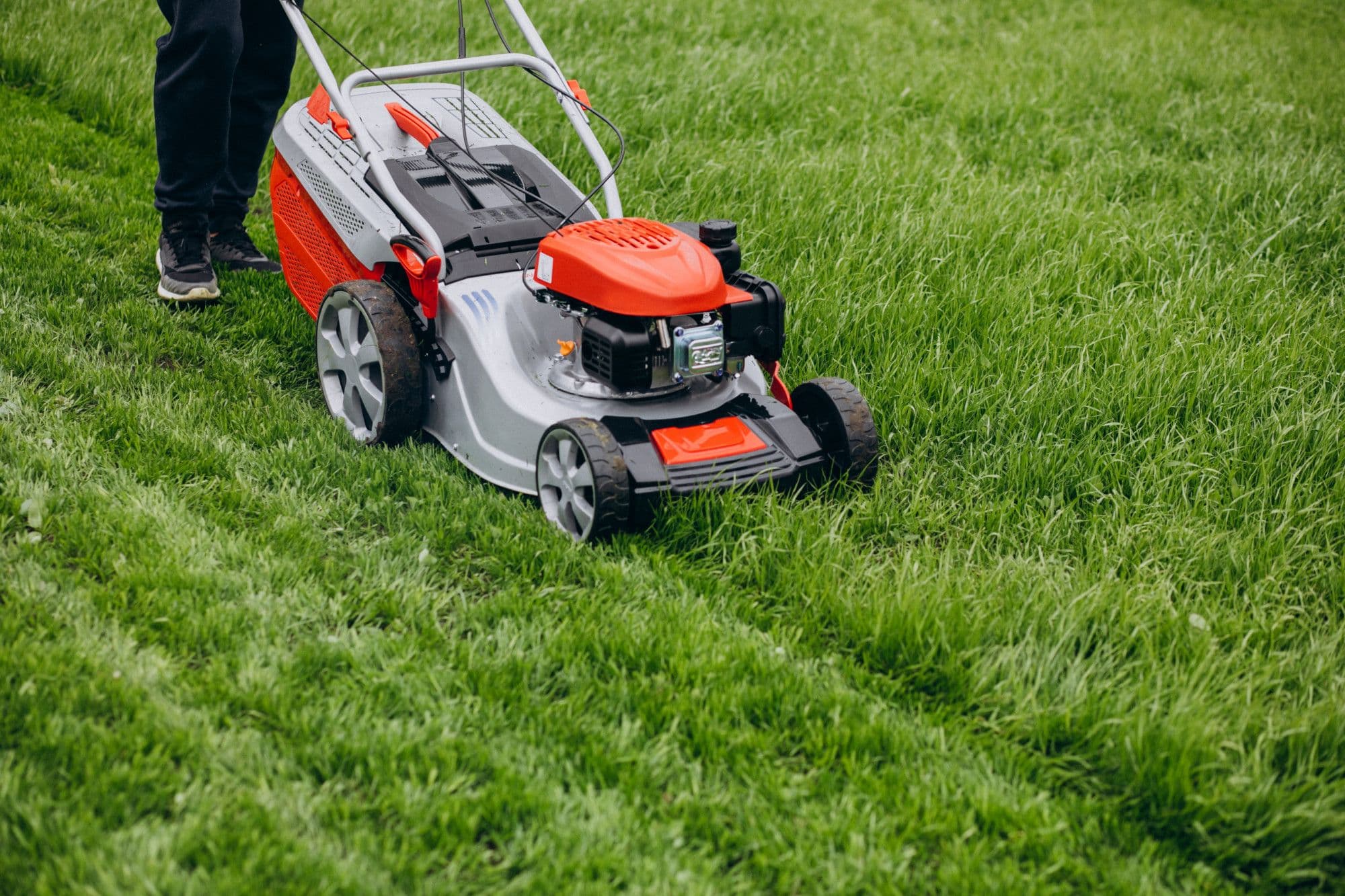
Explore when to mow your lawn for its health and a pleasant green color. Find out the best time for this task during the summer heat, and follow practical tips for correctly cutting the grass, and learn common mistakes to avoid.

Plant Care
Best Time to Mow Lawn – A Complete Guide
Plant Pot Sizes: How to Choose the Right Plant Container

7 min read · 20 Aug 2026

Plant Pot Sizes: How to Choose the Right Plant Container

Plant pot sizes can be confusing because the number on the label only tells you part of the required information. A container may look spacious but actually be too shallow. So, how to choose pot size for plant species?

Beginner Guides
Plant Pot Sizes: How to Choose the Right Plant Container