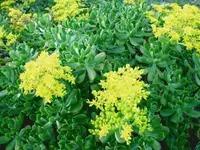
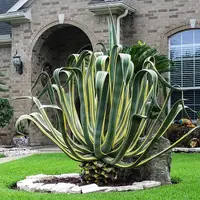
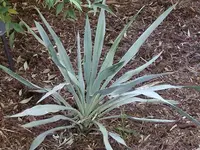
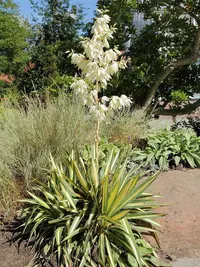
Sheath Tentfig Care (Ruschia lineolata)

Sheath Tentfig

About Sheath Tentfig

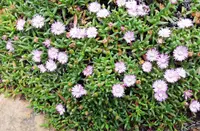
Sheath tentfig, Ruschia lineolata, is a compact, mat-forming succulent from arid regions of South Africa. It belongs to the ice plant family and stores water in its fleshy leaves. Dense clusters of narrow, triangular leaves create a low, spreading carpet that can trail over pot edges or fill shallow containers. In good light it produces small, daisy-like flowers that add seasonal color. This species suits growers who prefer low-maintenance plants but can offer strong light and excellent drainage. It dislikes prolonged moisture around the roots, so gritty, fast-draining soil is important. Understanding how to care for Sheath Tentfig starts with mimicking its bright, dry natural habitat.

Main Plant Requirements

Care Difficulty

Easy Care

Light Preference

Full Sun

Water Requirements

Low Water

Temperature Preference

Warm Climate

Hardiness Zone

9–11

Soil Texture

Sandy, Loamy, Rocky

Soil pH

Slightly acidic (6.5–7.0), Slightly alkaline (7.0–7.5)

Soil Drainage

Well-drained

Fertilization

Minimal (feed rarely)

Get Personalized Care Plan

Scan your plant to receive care tips personalized for your specific plant

Available on iOS and Android

How to Care for the Sheath Tentfig

This compact succulent thrives in bright, open conditions that mimic a sunny, dry habitat.

  • Provide 6–8 hours of direct sun daily; morning to early afternoon sun suits Sheath Tentfig best in mild climates.
  • In hotter regions, give full morning sun and light afternoon shade to prevent leaf scorch and pale, washed-out foliage.
  • In winter, ensure an unshaded, south- or west-facing spot so low seasonal light does not cause weak, stretched growth.

This species prefers infrequent, deep watering and fast-drying soil, similar to other arid-climate succulents.

  • Water only when the top 3–5 cm of soil are completely dry, then wet the root zone thoroughly and let excess drain away.
  • Reduce watering in cool seasons, watching leaves for slight softening or wrinkling as a cue to water rather than following a fixed schedule.
  • Avoid soggy conditions; yellowing, splitting leaves or sudden collapse indicate overwatering, especially in compacted or poorly drained soils.

This succulent is adapted to warm, dry conditions and dislikes prolonged cold or excess humidity.

  • Aim for 65–80°F (18–27°C) during active growth for steady, compact foliage and flowering.
  • Short dips to 30–32°F (-1–0°C) may be survived if soil is dry, but repeated frosts or freezing, wet roots greatly increase damage risk.
  • In hot spells above 95°F (35°C), provide airflow and light afternoon shade to limit heat stress and leaf scorch, especially in reflective sites.

This succulent shrub tolerates dry indoor air and rarely needs special humidity management.

This species needs a very fast-draining, sandy substrate to prevent root rot.

  • Use a cactus or succulent mix with extra coarse sand or fine gravel to create a loose, gritty structure.
  • Aim for slightly acidic to neutral pH around 6.0–7.0, avoiding heavy lime additions unless soil is very acidic.
  • Mix in 30–40% mineral aggregates such as pumice, perlite, or crushed granite to increase aeration and drainage.
  • Avoid clay-heavy, compacted, or moisture-retentive mixes, which trap water around the roots and damage Ruschia lineolata.

This species is well suited to container growing, especially in sunny, dry locations.

  • Select a wide, shallow pot to match its spreading, mat-forming root system and reduce unused wet soil volume.
  • Choose unglazed terracotta if extra evaporation is needed, or heavier ceramic in windy sites for better stability.
  • Elevate the container on feet or pot risers so drainage holes stay clear and runoff water leaves the root zone quickly.

Ruschia lineolata is a low-feeding succulent that benefits from light, infrequent nutrition during active growth.

  • Use a diluted balanced liquid fertilizer (around 10-10-10) at 1/4–1/2 strength, or a very light top-dressing of compost.
  • Feed once every 4–6 weeks in spring and summer when growth is active.
  • Avoid fertilizing in fall and winter, when the plant slows and excess nutrients may cause weak, leggy growth.
  • For Sheath Tentfig indoor care, ensure the soil is already moist before applying fertilizer to limit root burn.

Ruschia lineolata responds well to light pruning that maintains a compact, flowering mat.

  • Best time is late winter to early spring, just before new growth begins.
  • Use clean, sharp scissors or snips to remove dead, damaged, or woody stems at the base.
  • Shorten overly long or sprawling shoots to encourage denser side branching and more flowering tips.
  • After flowering flushes, lightly trim spent stems to keep the mat tidy and reduce gaps.

This succulent prefers a stable position and only needs occasional repotting or transplanting when clearly outgrowing its space.

  • Repot or transplant every 3–4 years, or when roots circle the pot, growth slows, or soil drains poorly.
  • Choose late winter to early spring so the plant can recover as growth resumes.
  • Use a shallow, slightly wider container with sharply draining succulent mix to limit root rot.
  • Minimize root stress by gently loosening roots, replanting at the same depth, watering lightly once, then allowing soil to dry between waterings.

Ruschia lineolata is commonly propagated from stem cuttings and division, with seeds used less often.

  • Take 5–8 cm non-flowering stem cuttings in late spring or summer and let cut ends callus for 1–2 days.
  • Insert cuttings into dry, gritty succulent mix and keep in bright, indirect light with very light watering.
  • Divide established clumps in spring, keeping healthy roots attached to each section and replanting promptly.
  • For seed, sow on the surface of well-draining mix, keep barely moist and warm, and provide strong light for compact growth.

Ruschia lineolata is moderately cold tolerant in dry, mild climates but needs attention in areas with hard frost.

  • In-ground plants in mild zones handle light frost if soil drains sharply and stays relatively dry.
  • In colder climates, grow in containers and move indoors to a bright, cool spot before temperatures drop below 25°F.
  • Reduce watering significantly in winter, allowing the mix to dry almost completely between light waterings.
  • Avoid heavy mulching against stems; use only a thin, gritty mulch to keep the crown dry and prevent rot.

Care Tips

Encourage Compact Form

Rotate containers a quarter turn every 1–2 weeks so stems receive even light from all sides, which keeps the mat dense and prevents lanky, one-sided growth.

Control Spreading Edges

Use clean scissors or pruners to trim back overhanging stems 1–2 times per year and replant the healthiest tip cuttings into bare spots to maintain an even, tight groundcover.

Improve Winter Drainage

In regions with cool, wet winters, slightly mound the planting area 5–8 cm above surrounding soil or use shallow raised edges so excess rain drains away quickly and roots stay dry.

Protect From Heavy Rains

During prolonged storms, move container plants under a roof overhang or into a bright, sheltered spot to avoid waterlogging that can lead to root or stem rot in this succulent.

Root Rot Monitoring

Check the oldest stems at the center of the clump 2–3 times per year and remove any soft, dark, or shriveled sections promptly to slow the spread of rot and keep the plant carpet vigorous when caring for Sheath Tentfig.

Common Pests and Diseases

Mealybugs

This pest often hides in leaf joints and along stems, sucking sap and causing stunted growth and a dull, wrinkled look to the succulent leaves.

Solution

Isolate the plant, then dab visible insects with cotton swabs dipped in 70% isopropyl alcohol and rinse the foliage gently after treatment; repeat weekly until no new insects appear and reduce excess nitrogen fertilization, which encourages soft growth that mealybugs prefer.

Aphids

These insects cluster on tender new shoots and flower stems, feeding on sap and causing distortion, sticky honeydew, and sometimes sooty mold growth.

Solution

Spray the plant with a strong, brief jet of water to dislodge colonies, then apply an insecticidal soap solution in the early morning or evening and repeat every 5–7 days until new growth appears clean, while also reducing overfertilizing that drives lush, aphid-prone growth.

Spider mites

This pest prefers hot, dry conditions and causes fine speckling, a dull or grayish cast to leaves, and in heavier cases very fine webbing between stems and foliage.

Solution

Increase local humidity around the plant without overwatering the soil, then thoroughly rinse all stems and leaves under lukewarm water and follow with a labeled miticidal soap or horticultural oil, treating all nearby succulents at the same time to prevent reinfestation.

Powdery mildew

This disease appears as white, powdery patches on stems and older leaves, sometimes leading to yellowing and early leaf drop when airflow is poor.

Solution

Improve air movement around the plant, avoid overhead watering, remove heavily affected stems, and apply a sulfur-based or potassium bicarbonate fungicide labeled for ornamentals, ensuring the plant dries quickly after each watering to support long-term control.

Bacterial leaf spot

Symptoms include small, water-soaked spots that turn dark and may merge on succulent leaves, often starting where water sits on the foliage for long periods.

Solution

Remove and discard affected leaves, avoid splashing water onto the foliage, space plants to allow faster drying, and if spread continues, apply a copper-based bactericide according to label directions while adjusting watering so the soil dries well between irrigations as part of broader Ruschia lineolata plant care.

Interesting Facts

Striped leaf windows

The leaves have pale, translucent stripes on their upper surface that act as small windows, allowing light to penetrate deeper into the tissue while the bulk of the leaf stays shaded and protected from intense sun.

Woody, mat-forming succulent

This species forms a low, woody subshrub with many branching stems that knit together into a dense mat, helping stabilize sandy or rocky soils in its native South African habitat.

Winter–spring flowering habit

In cultivation and in its native range, it tends to bloom mostly from late winter into spring, producing many small, daisy-like magenta flowers that open in bright light and close in dull weather.

Botan icon

Did you know?

This species is adapted to semi-arid winter-rainfall regions of the Western and Eastern Cape in South Africa, where it exploits cool, moist winters for growth and survives hot, dry summers by relying on water stored in its succulent leaves and stems.

FAQs about Sheath Tentfig

This species needs strong light, a cool, dry rest in winter, and not too much nitrogen fertilizer to set buds. Overwatering, frequent repotting, or heavy shade often results in many leaves but few or no flowers.

Grow Healthy Plants with Botan Care

Keep your plants happy and healthy with plant identification, disease detection, and easy care guidance.


Botan plant care app — identify plants on mobile

Explore More Plants