Delicate Tentfig Care (Ruschia tenella)

Delicate Tentfig

About Delicate Tentfig

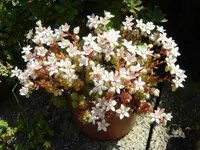
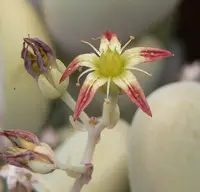
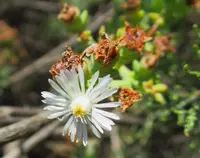
Delicate tentfig (Ruschia tenella) is a small, mat-forming succulent from arid regions of South Africa. It belongs to the Aizoaceae family, known for drought-adapted species. The plant has tiny, fleshy, triangular leaves and fine, trailing stems that create a dense, low cushion over soil or between rocks. Small, daisy-like flowers add seasonal color but remain in scale with its compact growth. Ruschia tenella prefers bright light, lean fast-draining soil, and careful watering that allows the roots to dry between waterings. Its drought tolerance and slow, tidy habit make it relatively straightforward for those who want to learn how to care for Delicate Tentfig without frequent maintenance.

Main Plant Requirements

Care Difficulty

Easy Care

Light Preference

Full Sun

Water Requirements

Low Water

Temperature Preference

Warm Climate

Hardiness Zone

9–11

Soil Texture

Sandy, Loamy, Rocky

Soil pH

Slightly acidic (6.5–7.0), Neutral (7.0)

Soil Drainage

Well-drained

Fertilization

Minimal (feed rarely)

Get Personalized Care Plan

Scan your plant to receive care tips personalized for your specific plant

Available on iOS and Android

How to Care for the Delicate Tentfig

This compact succulent thrives with bright exposure and plenty of direct sun.

  • Provide 6–8 hours of direct sunlight daily, ideally with strong morning sun and some light afternoon shade in very hot regions.
  • Delicate Tentfig tolerates light partial shade, but stems stretch and leaf color fades if light drops below about 4 hours of direct sun.
  • In summer, slowly acclimate plants to harsher midday sun to reduce leaf scorch; in winter, prioritize the sunniest, south-facing exposure available.

This drought-tolerant succulent prefers infrequent, deep watering in sharply draining soil.

  • Water only when the top 3–5 cm of soil are completely dry, then soak thoroughly so excess drains away; reduce frequency further in cool, cloudy weather.
  • During active growth, slightly wrinkling leaves signal it is time to water; soft, translucent, or yellowing leaves indicate overwatering in Ruschia tenella.
  • Use gritty, fast-draining soil to prevent standing water around roots, and in winter water just enough to prevent extreme shriveling.

This species prefers warm, dry conditions and is sensitive to hard frost.

  • Aim for 65–80°F (18–27°C) for strongest growth, with good air movement to mimic its natural, open habitat.
  • Protect plants when temperatures fall near 30–32°F (-1–0°C); brief light frosts may be survived, but repeated or hard freezes damage foliage and roots.
  • In summer, tolerate up to 90–95°F (32–35°C) if soil drains quickly and airflow is good; avoid placing plants near reflective surfaces that intensify heat.

This succulent tolerates typical indoor humidity and rarely needs special adjustments.

  • Aim for 30–50% humidity, which matches most heated or air‑conditioned homes.
  • Dry indoor air is usually fine; issues arise mainly when paired with overwatering rather than low humidity itself.
  • True humidity stress shows as soft, splitting, or translucent leaves from excess moisture in air and soil; increase air flow and let the mix dry thoroughly.

This plant needs a very fast-draining, gritty mix to prevent root rot.

  • Use a sandy, mineral-rich mix such as 60–70% coarse sand, pumice, or perlite blended with 30–40% lean cactus potting mix.
  • Ensure sharp drainage; excess water should run through the pot within seconds rather than pooling on the surface.
  • Aim for slightly acidic to neutral pH around 6.0–7.0, which suits Ruschia tenella in most tap-water areas.
  • Avoid heavy, peat-dense or clay-based substrates; add extra pumice or coarse grit to improve aeration and prevent waterlogged pockets.

This species is well suited to container growing, especially in sunny outdoor spots or bright windows.

  • Choose a wide, shallow pot to accommodate its spreading mat-like growth while keeping the root zone shallow and well aired.
  • Prefer unglazed terracotta or other porous materials that let excess moisture escape quickly and keep the mix dry between waterings.
  • If placing outdoors, use a heavier pot or top-dress with gravel to stabilize the plant against wind as the stems trail over the rim.

Ruschia tenella is a low-nutrient succulent that benefits from light feeding during active growth only.

  • Use a diluted balanced liquid fertilizer (around 10-10-10 or 20-20-20) at 1/4–1/2 strength in spring and summer.
  • Apply every 4–6 weeks while growth is active; skip feeding if the plant looks lush and compact.
  • Avoid fertilizing in fall and winter to prevent soft, weak growth.
  • Do not use rich compost or heavy slow-release products, which can cause root and stem rot in Delicate Tentfig.

Ruschia tenella needs only light pruning to maintain a compact, flowering mat.

  • Best time is late winter to early spring, before strong new growth starts.
  • Trim back leggy, overlong stems to shape the plant and encourage denser branching and more flowers.
  • Remove dead, damaged, or shriveled shoots with clean, sharp scissors or small pruners.
  • Avoid cutting into thick, woody bases; focus on young, green stems for quickest recovery.

This succulent dislikes frequent disturbance, so repot or transplant Ruschia tenella only when clearly needed.

  • Repot when roots circle the pot, soil dries extremely fast, or growth slows despite good light.
  • Plan moves for late winter to early spring, before the main growing season starts.
  • Typically, repot every 2–3 years into a shallow container with very free-draining succulent mix.
  • Gently loosen circling roots, keep the root ball mostly intact, and water lightly after moving to reduce stress.

Ruschia tenella is commonly propagated from stem cuttings taken during the warm growing season.

  • Take 5–8 cm non-flowering stem cuttings in late spring or summer and remove lower leaves.
  • Allow cut ends to dry and callus for 1–2 days to reduce rot risk.
  • Insert cuttings into barely moist, gritty succulent mix and keep in bright, indirect light.
  • Maintain warm temperatures around 68–75°F and minimal watering until roots form, then increase light for strong growth.

Ruschia tenella is moderately cold tolerant but benefits from some winter protection in colder regions.

  • In-ground plants in mild climates tolerate light frosts if soil drains very well.
  • Apply a thin layer of gravel mulch around the crown to keep stems dry rather than warm.
  • Move containers indoors or to a cold, bright, frost-free spot when temperatures drop below about 25°F.
  • Water sparingly in winter so the soil stays mostly dry, reducing the risk of root rot in cool conditions.

Care Tips

Root zone insulation

In areas with mild frost, top-dress around the root zone with a 1–2 cm layer of coarse gravel or small stones to buffer rapid temperature swings and protect the shallow roots from brief cold snaps.

Prevent stem rot

When planting in containers or rock crevices, tilt the rootball slightly and keep the crown just above the soil line so that water drains away from stem bases and does not collect at the center of the mat.

Controlled spreading

If the plant spreads beyond its space, lift and cut back outer sections in early spring, then replant only the firm, non-woody tips to maintain a dense, low cushion and prevent patchy dieback in older centers.

Rock crevice placement

For long-lived clumps, tuck small rooted pieces into narrow rock crevices or between pavers where water naturally sheds, which reduces competition from other plants and keeps foliage drier after rain.

Dry-season maintenance

In extended dry, hot periods, occasionally brush away accumulated leaf litter and old, shriveled stems from the mat so air can move around new growth and pests have fewer sheltered spots, which supports healthy structure when growing Delicate Tentfig.

Common Pests and Diseases

Aphids

These insects cluster on new stems and leaf joints, sucking sap and causing puckered, distorted growth on young shoots. Symptoms include sticky honeydew on nearby surfaces and sometimes sooty mold growth on the residue.

Solution

Rinse colonies off the succulent foliage with a firm stream of water, then spot-treat remaining clusters with a cotton swab dipped in diluted insecticidal soap or neem oil. Reduce excess nitrogen fertilization that promotes very soft growth, and monitor new shoots closely during warm, mild weather as part of general Ruschia tenella care instructions.

Mealybugs

These insects appear as white, cottony tufts in stem crevices and along the lower parts of the mat-forming growth, weakening plants by removing sap. This pest often leads to yellowing and slow dieback of affected sections if not controlled early.

Solution

Isolate the plant, then dab visible mealybugs with cotton swabs soaked in 70% isopropyl alcohol, repeating weekly until no new insects appear. Improve light and avoid overwatering, as dry, bright, and well-ventilated conditions make the plant less favorable for mealybug buildup on this succulent groundcover.

Spider mites

These insects are tiny sap feeders that thrive in hot, very dry conditions, causing fine speckling on the narrow leaves and a dull, grayish cast over the mat. Symptoms include very fine webbing between stems and at the base of shoots when populations are high.

Solution

Spray the plant with a strong, fine stream of water to dislodge mites, then apply insecticidal soap or a light horticultural oil to all surfaces, repeating every 7–10 days until new damage stops. Maintain good airflow, avoid overhead heat buildup against walls or rocks, and monitor plants closely during extended hot, dry spells.

Powdery mildew

This disease appears as a white, dusty coating on leaves and stems, which can cause yellowing and gradual thinning of the mat. Symptoms include reduced vigor and a patchy, uneven look where affected shoots lose density.

Solution

Remove and discard the most heavily infected stems, then improve airflow by thinning crowded patches and avoiding frequent overhead watering. In persistent cases, apply a sulfur-based or potassium bicarbonate fungicide labeled for ornamentals, treating surrounding plants as needed to reduce reinfection in dense succulent plantings.

Botrytis blight

This disease causes soft, water-soaked spots on stems and leaves that develop gray, fuzzy mold, often in the center of dense clumps or in poorly drained areas. Symptoms include sudden collapse of sections of the mat, especially after cool, wet weather or overwatering in containers.

Solution

Cut out and discard affected tissue, including a small margin of apparently healthy growth, and improve drainage or raise the planting area if soil stays wet. Reduce watering frequency, avoid wetting foliage late in the day, and increase spacing or trimming around the plant to enhance light penetration and airflow, which helps prevent further spread.

Interesting Facts

Miniature mat former

This dwarf succulent forms a very low, tight mat of short, cylindrical leaves that hug the ground, an adaptation to its exposed, dry habitats in South Africa’s winter‑rainfall regions.

Seasonal color change

Its tiny, terete leaves can take on a reddish or purplish tinge under high light and drought stress, which helps protect photosynthetic tissues from excess solar radiation.

Specialist rock dweller

In nature it often grows in thin soil pockets over sandstone or granite, anchoring itself in rock crevices where water drains quickly but collects briefly after winter rains.

FAQs about Delicate Tentfig

Lack of flowers often relates to insufficient light, excessive nitrogen fertiliser, or a pot that stays too wet. Provide strong sun, avoid high-nitrogen feed, and ensure excellent drainage; older, settled plants usually flower more reliably.

Grow Healthy Plants with Botan Care

Keep your plants happy and healthy with plant identification, disease detection, and easy care guidance.


Botan plant care app — identify plants on mobile

Explore More Plants