Sedum hirsutum Care

Sedum hirsutum

About Sedum hirsutum

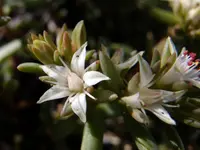
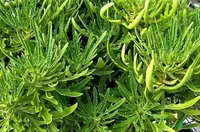
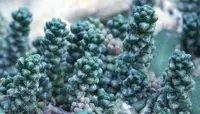
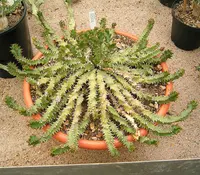
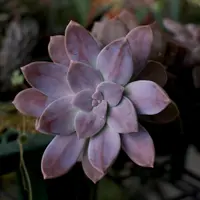
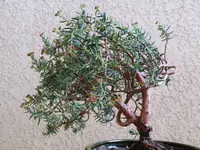
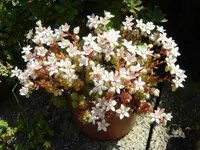
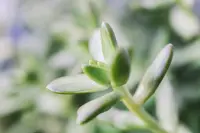
Sedum hirsutum is a small, mat-forming succulent belonging to the stonecrop group. It typically grows as dense cushions of tiny, fleshy leaves on short stems. In its natural habitat, it occurs on rocky slopes and walls in parts of southern Europe, where it experiences strong light, good drainage, and relatively poor soils. This background makes it well suited to rock gardens, troughs, and shallow containers. The plant is generally considered easy to grow if kept in bright light, sharply drained substrate, and modest moisture. For anyone learning how to care for Sedum hirsutum, its slow, compact growth and tolerance of some neglect are helpful traits.

Main Plant Requirements

Care Difficulty

Easy Care

Light Preference

Full Sun

Water Requirements

Low Water

Temperature Preference

Cold Hardy

Hardiness Zone

5–9

Soil Texture

Sandy, Loamy, Rocky

Soil pH

Slightly acidic (6.5–7.0), Neutral (7.0)

Soil Drainage

Well-drained

Fertilization

Minimal (feed rarely)

Get Personalized Care Plan

Scan your plant to receive care tips personalized for your specific plant

Available on iOS and Android

How to Care for the Sedum hirsutum

This compact alpine succulent thrives in bright, cool conditions with several hours of direct sun daily.

  • Provide 4–6 hours of direct morning to early afternoon sun, with light afternoon shade in hotter regions to prevent leaf scorch.
  • Tolerates light or dappled shade, but stems may elongate and foliage color fade if light drops below roughly 3–4 hours of sun.
  • In winter, ensure the site stays open and not shaded by snow cover or deciduous shrubs, so Sedum hirsutum still receives low-angle sun.

This species prefers infrequent, light watering and dries quickly due to its shallow roots and succulent leaves.

  • Water only when the top 2–4 cm of soil feel completely dry; in cool outdoor beds this may mean every 10–20 days, less during wet spells.
  • Use sharply drained, gritty soil so water passes through within seconds, reducing the risk of root rot and leaf splitting from saturation.
  • In summer heat, slight wrinkling or soft leaves indicate it is time to water, while yellowing, mushy foliage or a sour soil smell signal overwatering.

This hardy stonecrop tolerates a wide temperature range but grows best in mild conditions.

  • Active growth is strongest around 55–75°F (13–24°C), with compact rosettes and steady root development in cool, bright weather.
  • Mature plants typically handle down to about 0°F (-18°C) in well-drained soil; avoid sites where winter wet combines with repeated freeze–thaw cycles.
  • Heat tolerance extends to about 85–90°F (29–32°C) if soil stays draining and the plant receives some afternoon shade to limit stress and leaf scorch.

This succulent handles dry indoor air well, so humidity is rarely a concern.

This species prefers sharply drained, mineral-rich soil that dries quickly between waterings.

  • Use a gritty mix of 50–70% inorganic components such as coarse sand, perlite, or fine gravel with the rest lean compost or cactus mix.
  • Aim for slightly acidic to neutral pH, around 6.0–7.0, which suits most succulents including Sedum hirsutum.
  • Ensure water runs through in seconds; if it lingers or the mix compacts, increase coarse particles to improve aeration and drainage.
  • Avoid heavy clay, peat-heavy, or constantly wet substrates that promote root rot and weak growth.

This low-growing succulent is very suitable for container culture, including shallow pots and troughs.

  • Choose a shallow but wide container to match its mat-forming habit and prevent unused, chronically wet soil at depth.
  • Use a pot material like terracotta that evaporates moisture faster if overwatering is a concern or the climate is cool and humid.
  • Place the container where excess water can drain away freely so the drainage holes never sit in a saucer of standing water.

This small alpine succulent needs only light feeding under cultivation, as Sedum hirsutum is adapted to lean, rocky soils.

  • Use a balanced, dilute liquid fertilizer (around 10-10-10 NPK at 1/4 strength) for container plants in spring and early summer.
  • Feed every 4–6 weeks during active growth if plants show pale foliage or weak stems.
  • Skip feeding in late fall and winter to avoid soft, frost-tender growth.
  • Compost or slow-release granules can be used sparingly, kept away from the stem to prevent rot.

Pruning needs are minimal, mainly to keep Sedum hirsutum compact and tidy.

  • Best time is after flowering or in early spring, when new growth is starting.
  • Snip off spent flower stems and dead, damaged, or mushy shoots with clean scissors.
  • Thin out crowded patches to improve air flow and maintain a low, even mat.
  • Light trimming shapes the clump and encourages fresh, dense foliage growth.

This species stays compact, so repotting or transplanting Sedum hirsutum is infrequent but sometimes helpful.

  • Repot when roots circle the pot, growth stalls, or the plant dries out very quickly.
  • Aim for early spring, just before strong new growth, and typically every 2–3 years for containers.
  • Choose a shallow pot with sharp-draining gritty mix, handling roots gently to limit stress.
  • Water lightly after moving, keep in bright but not harsh sun for 5–7 days, then resume normal care.

Sedum hirsutum responds well to simple vegetative propagation in typical home conditions.

  • Take short stem cuttings or detach rosettes in spring or early summer, allowing cut surfaces to dry for 1 day.
  • Set pieces on or just into a gritty, free-draining mix and keep barely moist until rooted.
  • Division of dense mats in spring is effective; replant sections at the same depth.
  • Seeds can be sown on the surface of a well-drained mix, needing light and mild warmth to germinate.

In many temperate climates this hardy sedum needs little winter attention once established in the ground.

  • Plants in the ground tolerate normal frosts if soil drains well and does not stay waterlogged.
  • Apply a thin gravel or grit mulch around crowns to keep foliage off wet winter soil.
  • Move small containers to a sheltered, unheated spot, keeping them just barely moist.
  • Avoid heavy winter feeding or watering, which increases the risk of rot in cold conditions.

Care Tips

Encourage Compact Mats

Pinch back or lightly trim elongated stems in early spring to encourage dense, low growth and prevent the clump from opening in the middle over time.

Control Moss And Thatch

In damp climates, gently lift and thin older sections every 2–3 years to remove moss and dead stems, then replant healthy rosettes to keep the carpet vigorous and well-aerated.

Rock Crevice Placement

When planting in rock gardens, tuck small plugs into vertical or sloping crevices with a gritty mix so roots anchor quickly and foliage does not sit in water-collecting pockets.

Winter Drainage Check

Before winter rain or snow, check that containers and rock pockets drain freely and slightly raise pots on feet or tiles so meltwater does not linger around the root zone.

Clean Propagation Practice

Use a clean, sharp knife or scissors to take short stem cuttings, let the cuts dry for 1–2 days, then press them into a dry, gritty medium to expand your planting while maintaining disease-free stock when growing Sedum hirsutum.

Common Pests and Diseases

Mealybugs

This pest feeds on succulent stems and leaf bases, often hiding in tight rosettes and between clustered shoots. Symptoms include white cottony masses, sticky honeydew, and stunted new growth.

Solution

Remove heavily infested stems, then dab remaining insects with cotton swabs dipped in 70% isopropyl alcohol, taking care to reach into the rosettes. Improve air movement, reduce overcrowding in rock crevices or pots, and repeat alcohol or insecticidal soap spot-treatments weekly until no new insects appear.

Aphids

These insects cluster on tender shoot tips and flower stems, sucking sap and causing distorted growth and sticky honeydew. Ant activity around the plant often increases when aphids are present.

Solution

Rinse colonies off with a firm stream of water, especially around young shoots and flower stalks, then follow with an application of insecticidal soap or neem oil labeled for succulents. Limit high-nitrogen fertilization that encourages soft growth and, outdoors, encourage natural predators such as lady beetles by avoiding broad-spectrum insecticides in the area.

Spider mites

This pest becomes a problem in hot, dry conditions, especially for Sedum hirsutum grown in containers or indoors. Symptoms include fine webbing in tight foliage, dull or stippled leaves, and general decline despite seemingly adequate watering.

Solution

Increase humidity around the plant slightly, then rinse foliage thoroughly with lukewarm water to remove mites and webs, repeating every few days. For persistent cases, apply insecticidal soap or a horticultural oil to all plant surfaces, making sure the spray reaches inner rosettes and undersides of leaves.

Powdery mildew

This disease appears as white, powdery patches on leaves and stems, particularly in dense mats growing in humid, shaded spots. Affected foliage may yellow prematurely and lose vigor, reducing the plant’s ornamental carpet effect when growing Sedum hirsutum in borders or troughs.

Solution

Improve airflow by thinning overcrowded patches and trimming back surrounding plants that cast heavy shade, then remove and discard visibly infected leaves. If conditions stay favorable for infection, apply a sulfur-based or potassium bicarbonate fungicide according to label directions, keeping foliage dry during evening hours.

Stem and crown rot

This disease affects plants in poorly drained soils or containers that stay wet, causing blackened, mushy stems at the base and sudden collapse of small clusters. Symptoms include foul-smelling tissue and easy separation of rosettes from the substrate.

Solution

Promptly remove and discard all affected sections, including any soft, darkened crowns, and replant only firm, healthy cuttings in sharply drained, gritty soil. Reduce watering, ensure containers have large drainage holes, and in heavy rainfall areas, provide raised planting areas or rock crevices that shed excess water to prevent recurrence.

Interesting Facts

Granite cliff specialist

This species naturally colonizes shaded, moist rock faces and granite cliffs in southwestern Europe, forming dense mats in crevices where organic soil is almost absent.

Hairy leaf adaptation

The fine hairs on its tiny leaves help trap a thin layer of moisture and reduce direct contact with wet rock surfaces, an adaptation suited to humid but very shallow habitats.

Cool, humid succulent

Unlike many succulents from arid, hot regions, this plant is native to cool, mountainous areas with relatively high ambient humidity, so growing Sedum hirsutum often involves providing cooler conditions than typical desert succulents.

FAQs about Sedum hirsutum

This species forms low, slowly expanding mats through short stems and self-seeding. It is not considered aggressive. In most gardens it stays relatively contained and is easy to control by lifting or trimming unwanted clumps.

Grow Healthy Plants with Botan Care

Keep your plants happy and healthy with plant identification, disease detection, and easy care guidance.

Botan plant care app — identify plants on mobile

Explore More Plants