Cockerell's stonecrop Care (Sedum cockerellii)

About Cockerell's stonecrop

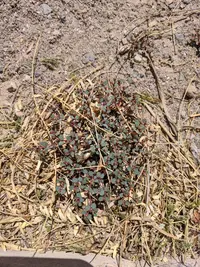
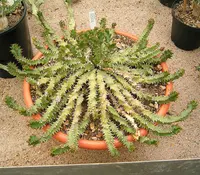
Cockerell's stonecrop, Sedum cockerellii, is a small, mat-forming succulent native to rocky outcrops in the southwestern United States and northern Mexico. It typically grows in shallow soils and crevices, forming dense cushions of fleshy leaves.

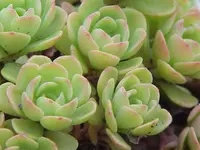
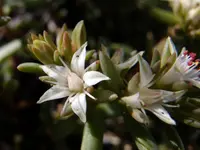
The plant often shows blue-green foliage that can blush red in strong sun, with small star-shaped flowers that attract pollinators. Its compact growth habit makes it suitable for rock gardens, troughs, and edging.

Sedum cockerellii is generally considered easy to grow because it tolerates drought, poor soil, and strong light, as long as drainage is excellent. These traits make it straightforward to learn how to care for Cockerell's stonecrop in a range of dry, sunny garden settings.

Main Plant Requirements

Care Difficulty

Easy Care

Light Preference

Full Sun

Water Requirements

Low Water

Temperature Preference

Cold Hardy

Hardiness Zone

4–9

Soil Texture

Sandy, Loamy, Rocky

Soil pH

Slightly acidic (6.5–7.0), Neutral (7.0)

Soil Drainage

Well-drained

Fertilization

Minimal (feed rarely)

Get Personalized Care Plan

Scan your plant to receive care tips personalized for your specific plant

Available on iOS and Android

How to Care for the Cockerell's stonecrop

This compact mountain succulent thrives in bright, open sites with plenty of direct sun.

  • Provide 6–8 hours of direct sun daily; full sun is ideal in spring and fall, with light afternoon shade helpful in very hot summers.
  • Plant Cockerell's stonecrop in a south- or west-facing, unshaded spot; some light, dappled shade is tolerated but growth becomes looser and flowering may decrease.
  • Watch foliage color and stretch: pale, elongated stems signal too little sun, while crisping leaf tips indicate intense, reflected heat and need for partial afternoon shade.

This drought-adapted sedum prefers infrequent, deep watering and fast-drying soil.

  • Outdoors in the ground, water only when the top 3–5 cm of soil are completely dry, then soak the root zone and allow excess to drain away.
  • Reduce watering strongly in fall and winter; in cool, rainy periods Sedum cockerellii often needs no supplemental water if soil drains freely.
  • Treat soft, yellowing, or translucent leaves as signs of overwatering and poor drainage, while wrinkling and leaf drop from the base indicate prolonged dryness.

This species is a cold-hardy succulent that tolerates a wide temperature range when soil drains sharply.

  • Aim for active growth in 60–80°F (16–27°C); stems and leaves develop best color and form in cooler, bright conditions.
  • Mature plants typically survive down to about -10°F (-23°C) with sharp drainage; prolonged freeze in heavy, wet soil greatly increases rot risk.
  • In hot spells above 90°F (32°C), growth may slow; provide afternoon shade and avoid overhead watering during the hottest part of the day to limit stress.

Humidity is not a significant factor for Sedum cockerellii, which thrives in dry air.

Sedum cockerellii prefers lean, very fast-draining mineral soil that mimics rocky slopes.

  • Use a gritty mix such as 50–70% coarse sand or small gravel blended with cactus mix or sandy loam.
  • Aim for slightly acidic to neutral pH around 6.0–7.0, avoiding strongly acidic or alkaline substrates.
  • Improve drainage and aeration by adding perlite or pumice, especially in deeper containers or compact mixes.
  • Avoid dense, high-peat, or water-retentive soils that stay wet for more than 1 day after watering.

This species is well suited to container growing, including troughs and shallow pots.

  • Choose a wide, shallow container to accommodate its spreading mat-forming growth while preventing water from pooling around roots.
  • Use unglazed clay or other porous materials to allow faster evaporation and reduce the risk of root rot in wet climates.
  • Raise the container on pot feet or bricks so drainage holes never sit directly on a surface that could block water flow.

This drought-tolerant succulent needs very modest feeding, especially in poor or rocky soils where it naturally thrives.

  • Use a low-dose balanced fertilizer (around 10-10-10 or similar) or a light topdressing of compost in early spring only.
  • Apply at half the label strength to avoid soft, leggy growth that weakens Cockerell's stonecrop.
  • Feed once per growing season for in-ground plants; potted plants can receive 1–2 light feedings.
  • Do not fertilize during winter dormancy, as inactive roots cannot use nutrients effectively.

Light pruning helps maintain compact growth and flowering performance in Sedum cockerellii.

  • Cut back dead flower stems and dried foliage in late fall or early spring to tidy plants.
  • Remove damaged, diseased, or crowded shoots with clean, sharp scissors or small pruning shears.
  • Shorten stretched stems by one-third to encourage branching and denser mats of foliage.
  • Discard all pruned material away from the planting area to reduce pest and disease carryover.

This species is usually grown in rock gardens or groundcover patches, so transplanting is more common than repotting.

  • Transplant in spring or early fall, when temperatures are mild and soil is workable.
  • Look for crowded clumps, bare centers, or slow spread as signs the plant benefits from lifting and replanting.
  • Divide mats into small sections, keeping roots intact, and replant at the same depth in very well-drained soil.
  • Water lightly after transplanting, then allow soil to dry between waterings to limit root stress and rot risk.

Sedum cockerellii multiplies well by cuttings and division, which keeps desirable traits consistent.

  • Take short stem cuttings in late spring or summer, remove lower leaves, and let cut ends dry for 1–2 days.
  • Set cuttings on gritty, well-drained mix and keep barely moist until roots form.
  • Lift and divide mature clumps in spring, replanting small rooted sections 10–15 cm apart.
  • Sow seeds on the surface of sandy mix, press in lightly, and keep bright and slightly moist for germination.

This sedum is cold hardy in much of the US and generally requires minimal winter attention in the ground.

  • In climates with severe freeze–thaw cycles, add a thin gravel or stone mulch to stabilize soil around roots.
  • Allow top growth to die back naturally; it insulates crowns and can be cleaned up in late winter or early spring.
  • For containers, use a fast-draining mix and keep pots in a sheltered, unheated spot to avoid waterlogged, frozen soil.

Care Tips

Encourage Compact Growth

Pinch back the soft tips of longer stems after flowering to keep the plant low, dense, and better able to resist wind and light foot traffic in rock gardens.

Use Gravel Mulch

Apply a 1–2 cm layer of coarse gravel or small rocks around the crown to keep foliage dry, reduce splash on leaves, and prevent rot at the base in wet spells.

Improve Winter Drainage

In cold, wet climates, slightly tilt or mound the planting site and mix extra grit into the top 5–8 cm of soil in autumn to help excess water drain away from the roots over winter.

Propagate As Insurance

Take a few short stem cuttings during active growth, let them callus for 1–2 days, then root them in a gritty tray so you have backup plants if a clump declines or suffers winter damage.

Control Competing Plants

Regularly remove moss, weeds, and aggressive groundcovers from within 5–10 cm of the mat so that caring for Cockerell's stonecrop remains simple and the plant is not shaded or starved of nutrients.

Common Pests and Diseases

Mealybugs

This pest feeds on succulent stems and leaf bases, sucking sap and leaving cottony white clusters in crevices. Symptoms include stunted growth, yellowing, and sticky honeydew that can attract sooty mold.

Solution

Isolate affected plants, then dab visible insects with cotton swabs dipped in 70% isopropyl alcohol and repeat weekly until no new clusters appear. For larger infestations, wash the plant thoroughly with a strong but gentle water spray, then apply a light horticultural soap or neem oil to stems and leaf joints, ensuring good airflow and avoiding overhead watering in the evening.

Aphids

These insects cluster on tender new growth and flower stems, sucking sap and causing distorted leaves and sticky honeydew. Ant activity around the plant often increases as they farm the aphids for honeydew.

Solution

Rinse colonies off with a firm stream of water every few days, focusing on new shoots and flower stalks. If populations persist, apply insecticidal soap or neem oil to all above-ground parts in the early morning, repeating as needed and reducing excess nitrogen fertilization that encourages soft, aphid-prone growth.

Spider mites

This pest thrives on Sedum in hot, dry conditions, causing fine webbing, tiny pale speckles, and an overall dull, grayish look to the foliage. Symptoms include slowed growth and leaf drop when populations are high.

Solution

Increase humidity around the plant slightly and hose the foliage thoroughly, including the undersides of leaves, to physically remove mites. Follow with targeted applications of insecticidal soap or a light horticultural oil to all leaf surfaces, repeating every 5–7 days for several cycles while avoiding heat stress during treatment.

Fungal leaf spots

This disease develops in humid or poorly ventilated conditions, leading to small brown or black spots on leaves that may coalesce and cause premature leaf drop. Symptoms include patchy thinning of the mat and uneven dieback in dense clumps.

Solution

Remove and discard affected leaves and any dead plant debris from around the crown, then space or divide dense clumps to improve airflow. Water at soil level instead of overhead, and if spotting continues in wet weather, apply a sulfur- or copper-based fungicide labeled for ornamental succulents, following label directions closely.

Crown and stem rot

This disease appears when plants remain in saturated soil, causing stems at the soil line to turn brown, mushy, and collapse. Symptoms include sudden wilting and dieback of entire sections of the mat, especially in low spots with poor drainage.

Solution

Promptly cut out and discard all soft, discolored tissue, including any adjoining stems that show browning inside when cut. Improve drainage by amending soil with coarse grit, raising planting areas, and watering only when the soil has dried, then repropagate healthy, firm stem tips into well-drained substrate to continue growing Cockerell's stonecrop.

Interesting Facts

High-elevation specialist

This species is native to rocky slopes and cliffs in the mountains of the southwestern United States and northern Mexico, where it is adapted to thin, fast-draining soils and large daily temperature swings.

Tiny, clustered rosettes

It forms compact tufts of very small, fleshy leaves on short stems, a growth habit that helps reduce water loss and protects the plant’s growing points from mechanical damage in exposed habitats.

Summer-blooming star flowers

In early to mid-summer, it produces clusters of small, star-shaped flowers that are typically white to pink-tinged, providing nectar for native bees and other pollinating insects in dry mountain habitats.

FAQs about Cockerell's stonecrop

This species forms low, slowly expanding clumps or mats, but is not considered aggressive in most garden settings. It spreads mainly by short creeping stems and can be easily controlled by lifting or edging unwanted sections.

Grow Healthy Plants with Botan Care

Keep your plants happy and healthy with plant identification, disease detection, and easy care guidance.

Botan plant care app — identify plants on mobile

Explore More Plants