Handle Sap Safely
Wear gloves and avoid touching your face when pruning or repotting, as the milky latex sap is irritating; rinse skin with plenty of water if contact occurs and keep pets and children away from fresh cuts.

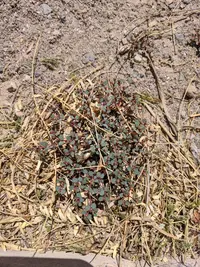
Mimicking sandmat, Euphorbia simulans, is a small succulent shrub from arid regions of southern Africa. It forms dense, branching clumps that resemble tangled twigs or miniature shrubs. The plant bears tiny leaves and small, often inconspicuous flowers along its stems.
This species is adapted to hot, dry conditions and stores water in its stems, which makes it relatively forgiving of occasional missed watering. It prefers bright light, very well-drained gritty soil, and low to moderate moisture. Its slow growth and compact habit suit collectors and patient growers who want to learn how to care for mimicking sandmat.

Care Difficulty
Moderate Care

Light Preference
Full Sun

Water Requirements
Low Water

Temperature Preference
Tropical / Frost Sensitive

Hardiness Zone
Unknown

Soil Texture
Sandy, Loamy, Rocky

Soil pH
Slightly acidic (6.5–7.0)

Soil Drainage
Well-drained

Fertilization
Minimal (feed rarely)
Scan your plant to receive care tips personalized for your specific plant
Available on iOS and Android
This compact Euphorbia prefers bright, dry conditions similar to its native habitat.
This drought-tolerant succulent requires infrequent but thorough watering.
This species prefers warm, dry conditions with good airflow.
This species handles typical indoor humidity well and rarely needs special adjustment.
This species needs a sharply draining, mineral-based substrate to prevent root and stem rot.
This species is well suited to container growing when drainage and stability are managed carefully.
Euphorbia simulans grows well with modest feeding that supports steady but compact growth.
Euphorbia simulans benefits from light, targeted pruning to maintain a compact, healthy form.
This slow-growing succulent needs infrequent repotting and prefers a stable, well-drained container environment.
This species is typically propagated from cuttings, though seeds are possible for more advanced growers.
This succulent is frost sensitive and benefits from careful winter management, especially in cool climates.

Plant Health Check
Not sure what's wrong with your plant? Check your plant's health inside the app.
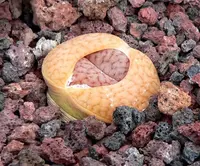
This species closely resembles low-growing sandmat spurges, with tiny leaves and prostrate stems that help it blend into stony ground and avoid herbivores in its native habitat.
Euphorbia simulans forms a swollen, often partially buried stem base called a caudex that stores water, an adaptation to survive long dry periods in its arid environment.
Like many Euphorbia species, it produces a white latex sap that is irritating and potentially harmful to skin and eyes, which helps protect the plant from browsing animals and careless handling during Euphorbia simulans plant care.
Lack of bloom usually comes from insufficient light, too much nitrogen fertilizer, or cold stress. Ensure bright exposure, avoid heavy feeding, and keep it in a warm, stable environment to support bud formation and flowering.
Keep your plants happy and healthy with plant identification, disease detection, and easy care guidance.