Rock crevice planting
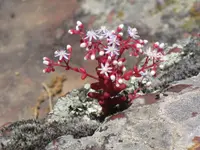
Tuck plants into shallow rock crevices or between pavers where roots stay cool and drainage is extreme, which helps mats stay dense and reduces weed competition when growing Alpine Stonecrop.

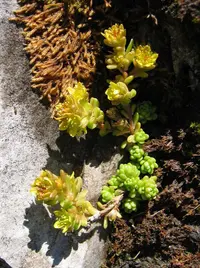
Alpine stonecrop, Sedum alpestre, is a small, mat-forming succulent from mountain regions of central and southern Europe. It often grows in rocky crevices and alpine meadows. The plant has tight cushions of short, fleshy leaves and bright yellow star-shaped flowers that rise slightly above the foliage in summer. It stays low and compact, which makes it suitable for rock gardens, troughs, and edging. This species is adapted to poor, stony soils, strong sun, and periods of drought, so it is generally easy to grow. Those conditions also guide how to care for Alpine Stonecrop in gardens and containers.

Care Difficulty
Easy Care

Light Preference
Full Sun

Water Requirements
Low Water

Temperature Preference
Cold Hardy

Hardiness Zone
4–9

Soil Texture
Sandy, Loamy, Rocky

Soil pH
Slightly acidic (6.5–7.0), Neutral (7.0)

Soil Drainage
Well-drained

Fertilization
Minimal (feed rarely)
Scan your plant to receive care tips personalized for your specific plant
Available on iOS and Android
This alpine succulent thrives in bright conditions and benefits from strong light exposure.
This drought-tolerant species prefers infrequent, deep watering in very free-draining soil.
This hardy stonecrop tolerates a wide temperature range but grows best in cool to moderate conditions.
This alpine succulent prefers dry air and usually does not need extra humidity control indoors or outdoors.
This species prefers very well-drained, mineral-rich soil that stays airy and never waterlogged.
This species is very suitable for container growing, including shallow dishes and rock-garden troughs.
This alpine succulent needs only light feeding to stay compact and healthy.
Pruning Sedum alpestre is mainly cosmetic and helps maintain a tidy, compact mat.
This species is usually grown in rock gardens or ground cover beds and is moved only when needed.
Sedum alpestre is commonly multiplied to extend ground cover or refresh older plantings.
This hardy alpine sedum tolerates typical cold-climate winters with minimal attention outdoors.

Plant Health Check
Not sure what's wrong with your plant? Check your plant's health inside the app.
Sedum alpestre is naturally restricted to subalpine and alpine zones of central and southern Europe, often growing above the tree line on rocky slopes and scree where many other vascular plants struggle to survive.
This species forms very shallow but wide-spreading roots that anchor it in rock crevices and thin soils, allowing it to exploit brief pulses of moisture from rainfall or snowmelt on exposed slopes.
The normally green, needle-like leaves can turn reddish under strong sun, cold, or drought stress due to increased production of protective pigments called anthocyanins, which help shield tissues from damage.
This species forms low, creeping mats but is not usually aggressive. It spreads slowly via stems and self-seeding in open, well-drained spots. Occasional thinning or edging keeps it contained in rock gardens or small spaces.
Keep your plants happy and healthy with plant identification, disease detection, and easy care guidance.