Encourage Compact Mounds
Pinch or lightly trim leggy shoots in late spring to keep the plant dense and low, which improves air flow through the foliage and reduces the risk of fungal spots when caring for Sedum greggii.

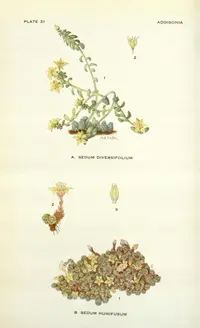
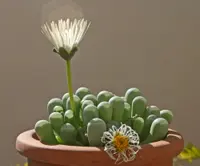
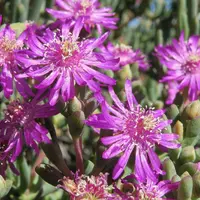
Sedum greggii is a small, mat-forming succulent native to rocky slopes in northeastern Mexico. It forms low cushions of fleshy, spoon-shaped leaves that store water. In suitable conditions it produces clusters of small star-shaped flowers that attract pollinators and add seasonal color. The plant stays compact and is often used in rock gardens, troughs, or as a groundcover in dry, sunny areas. It is adapted to strong light, lean gritty soils, and periods of drought, which makes it comparatively easy to maintain. Gardeners who understand how to care for Sedum greggii usually find it reliable in well-drained, low-moisture settings.

Care Difficulty
Easy Care

Light Preference
Full Sun

Water Requirements
Low Water

Temperature Preference
Warm Climate

Hardiness Zone
7–10

Soil Texture
Sandy, Loamy, Rocky

Soil pH
Slightly acidic (6.5–7.0), Neutral (7.0)

Soil Drainage
Well-drained

Fertilization
Minimal (feed rarely)
Scan your plant to receive care tips personalized for your specific plant
Available on iOS and Android
This sun-loving succulent thrives in bright, open exposures with limited shade.
This drought-tolerant species prefers infrequent, deep watering and very fast-draining soil.
This hardy succulent tolerates a wide temperature range but prefers moderate warmth.
This species tolerates a wide humidity range and rarely needs special humidity management indoors or outdoors.
Sedum greggii prefers very fast-draining, mineral-rich soil to prevent root and stem rot.
This species suits container growing very well, especially in shallow, fast-draining pots.
This drought-adapted succulent needs only light feeding to stay compact and healthy.
Sedum greggii benefits from light, periodic pruning to stay dense and tidy.
This species is usually grown in rock gardens or groundcover plantings, but containers may need occasional repotting.
This succulent is commonly multiplied from cuttings and division, which root quickly in warm, dry conditions.
In suitable climates this hardy succulent needs minimal winter care, especially in well-drained ground plantings.

Plant Health Check
Not sure what's wrong with your plant? Check your plant's health inside the app.
This species is naturally restricted to rocky slopes and limestone outcrops in the Chihuahuan Desert region of northern Mexico and western Texas, where it endures high light, low rainfall, and large temperature swings.
The small, tight rosettes grow close to the substrate, a growth form that reduces water loss and helps protect the plant from intense sun and drying winds in exposed habitats.
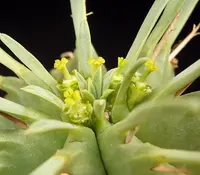
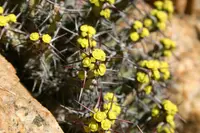
In late spring to early summer, the plant produces clusters of bright yellow, star-shaped flowers that provide nectar and pollen for native bees and other small pollinators in its home range.
This species forms low, slowly spreading clumps and short mats rather than running aggressively. It can gently fill gaps between rocks or along edges but usually stays well behaved and is easy to keep within boundaries.
Keep your plants happy and healthy with plant identification, disease detection, and easy care guidance.