Encourage Compact Growth
Pinch back soft tips after flowering to keep plants low, dense, and cushion-like, which helps prevent open, leggy centers that dry out too fast.

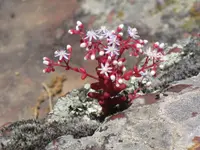
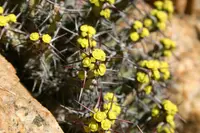
Sky stone-crop (Sedum caeruleum) is a small, annual succulent known for its tight, low mats of blue-green leaves and soft, airy clusters of tiny star-shaped flowers. It forms a fine, textured carpet that stays compact, which makes it suitable for shallow pots, rock gardens, and small decorative containers.
This species is native to Mediterranean regions, where it naturally experiences dry, bright conditions and relatively poor, gritty soils. Its drought tolerance and fast growth make it easy to start from seed and generally simple to care for Sky Stone-crop, provided it receives plenty of light and well-drained soil.
Sky stone-crop prefers bright exposure, low to moderate watering, and substrates that never stay waterlogged.

Care Difficulty
Easy Care

Light Preference
Full Sun

Water Requirements
Low Water

Temperature Preference
Warm Climate

Hardiness Zone
9–11

Soil Texture
Sandy, Loamy, Rocky

Soil pH
Slightly acidic (6.5–7.0), Neutral (7.0)

Soil Drainage
Well-drained

Fertilization
Minimal (feed rarely)
Scan your plant to receive care tips personalized for your specific plant
Available on iOS and Android
This low-growing sedum prefers bright, direct light but adapts to mild partial shade, especially in hot regions.
This drought-tolerant sedum prefers infrequent, deep watering and very fast-draining soil.
This Mediterranean-type sedum prefers warm, dry conditions and handles a moderate amount of cold.
This species tolerates low humidity and rarely needs special humidity management indoors.
Sedum caeruleum prefers very free-draining, mineral-rich soil that does not stay wet after watering.
This plant is well-suited to shallow containers and troughs.
Sedum caeruleum needs only light feeding, as it is adapted to poor, sandy soils and can store nutrients in its fleshy leaves.
Pruning Sedum caeruleum is mainly done to tidy plants and maintain a compact, flowering cushion.
This shallow-rooted sedum prefers infrequent disturbance but can be transplanted or repotted when clearly outgrowing its space.
Sedum caeruleum is commonly propagated to expand low mats or renew older plantings.
Outdoor Sedum caeruleum in mild climates needs minimal winter care, but container plants benefit from simple precautions.

Plant Health Check
Not sure what's wrong with your plant? Check your plant's health inside the app.
This species is a true winter annual from the western Mediterranean, germinating with autumn rains, growing over the cool, moist season, then dying back completely in early summer heat after seed set.
Mature plants develop a characteristic grey‑blue to bluish‑green foliage tone, caused by a waxy coating on the leaves that helps reduce water loss in its arid native habitats.
In nature it often forms low, dense carpets in shallow soil pockets on rocky slopes, walls, and old masonry, exploiting tiny crevices that hold just enough moisture for its fine roots.

Sedum caeruleum was described scientifically in the late 18th century from Mediterranean material and has since become a minor but persistent archaeophyte in parts of western Europe, occasionally appearing as a self-sown relic around historic gardens, ruins, and old stonework.
Poor flowering usually comes from too little light, excessive nitrogen fertilizer, or stressed, immature plants. Ensure several hours of strong light, avoid rich, high-nitrogen soil, and keep the plant slightly lean and dry to encourage flower production.
Keep your plants happy and healthy with plant identification, disease detection, and easy care guidance.