Pinch For Bushiness
Pinch out the top 1–2 cm of young shoots once or twice early in the season to encourage branching and produce a denser plant with more flowering stems.

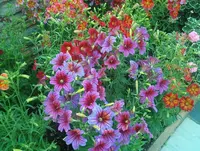
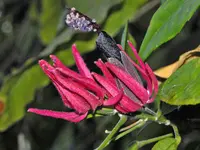
Painted tongue (Salpiglossis sinuata) is a cool-season flowering annual grown for its striking, velvety trumpets with vivid, often veined or marbled patterns. Plants form upright, branching clumps that suit borders, containers, and seasonal displays.
This species originates from Chile, where it grows in sunny, relatively cool conditions. It can be somewhat fussy, as it dislikes extreme heat, waterlogged soil, and prolonged drought.
Gardeners who care for painted tongue usually provide bright light, moderate moisture, and fertile, well-drained soil to keep the blooms colorful and long lasting.

Care Difficulty
Moderate Care

Light Preference
Full Sun

Water Requirements
Regular Water

Temperature Preference
Tropical / Frost Sensitive

Hardiness Zone
9–11

Soil Texture
Sandy, Loamy, Organic-rich

Soil pH
Acidic (5.5–6.5), Slightly acidic (6.5–7.0)

Soil Drainage
Moist but well-drained

Fertilization
Moderate (every 2–4 weeks)
Scan your plant to receive care tips personalized for your specific plant
Available on iOS and Android
This sun-loving annual needs strong light to flower well but benefits from some protection in hot climates.
Water needs are moderate but consistent, with a focus on moist, well-drained soil to support flowering.
This species prefers mild conditions and performs best without strong temperature extremes.
This annual prefers moderate ambient humidity and usually adapts to typical indoor levels.
This plant grows best in loose, well-drained, organic-rich soil that does not stay wet for long.
This species is well suited to container cultivation outdoors for seasonal color.
Salpiglossis sinuata responds well to modest, consistent feeding during its active growing season.
Pruning helps Salpiglossis sinuata stay compact and encourages prolonged flowering.
This plant is usually grown as an annual bedding or container plant, so transplanting timing matters more than pot size changes.
Most Salpiglossis sinuata plants are propagated from seed rather than by cuttings or division.
In most climates this plant behaves as a tender annual and does not overwinter outdoors.

Plant Health Check
Not sure what's wrong with your plant? Check your plant's health inside the app.
The flowers show a distinctive network of dark, vein-like markings over a contrasting petal background, caused by localized pigment deposition in the upper epidermal cells of the corolla. These venation patterns help guide pollinators toward the nectar source.
Leaves and stems are covered with glandular hairs that secrete a sticky substance, which can trap small insects and deter herbivores. This surface can also reduce water loss by slightly altering airflow over the leaf.
In cultivation it behaves as a tender annual that completes its life cycle in a single growing season but can produce many successive blooms over several months in cool, mild climates. In frost-free, highland areas of its native Chile, it may persist a bit longer yet still remains relatively short-lived compared to many ornamentals.

This species was introduced into European horticulture in the 19th century from Chilean Andean regions, and its striking flower colors and patterns quickly led breeders to develop numerous garden cultivars, making it one of the classic examples of early ornamental breeding within the nightshade family.
Poor flowering usually comes from excess heat, short daylight, or too much nitrogen fertilizer. Keep the plant cool, deadhead faded blooms, and avoid high-nitrogen feeds. Consistent conditions support strong bud formation and longer display.
Keep your plants happy and healthy with plant identification, disease detection, and easy care guidance.